
 Admin
Admin
Anti-Inflammatory Diet Plan: 21-Day Reset for Pain Relief
By following a structured anti-inflammatory diet plan, you give your body a real chance to heal from the inside out. Whether you deal with joint stiffness every morning, constant fatigue, or nagging pain that never fully goes away, inflammation is likely at the root of it all. The good news is that what you eat every single day either fuels that fire or puts it out. This 21-day reset is designed to help you take control, reduce pain naturally, and build a healing diet plan that actually fits your life.
What Is Inflammation, and Why Does It Matter?
Before we dive into the plan itself, it is worth understanding what we are actually fighting. Inflammation is your body’s natural response to injury or infection. In short bursts, it is helpful. However, when inflammation lingers for weeks, months, or even years, it becomes a serious problem.
This kind of ongoing inflammation is called chronic inflammation, and it has been linked to a wide range of conditions, including arthritis, heart disease, type 2 diabetes, and even some cancers. Therefore, managing it through the right foods is not just about reducing pain. It is about protecting your long-term health.
The encouraging thing is that the right inflammation diet can make a measurable difference. Research consistently shows that certain foods trigger inflammatory pathways in the body, while others actively suppress them. So, by shifting what ends up on your plate, you are essentially changing how your body responds to stress and damage at a cellular level.
The Core Anti-Inflammatory Foods You Need to Know
The foundation of any good anti-inflammatory diet plan is built on whole, nutrient-dense foods that your body can actually use. Let us break down the main categories you will be leaning on throughout this 21-day reset.
1. Omega-3 Rich Fish and Seeds
Omega-3 foods are arguably the most important piece of the puzzle. These healthy fats directly block the production of inflammatory chemicals in the body. Wild-caught salmon, sardines, mackerel, and herring are your best animal-based sources. If you prefer plant-based options, flaxseeds, chia seeds, and walnuts are excellent choices. Aim to include omega-3 foods at least four to five times per week for the best results.
2. Colorful Fruits and Vegetables
The vibrant colors of fruits and vegetables are not just pretty to look at. They signal the presence of powerful antioxidants that fight oxidative stress, one of the main drivers of chronic inflammation. Blueberries, cherries, strawberries, spinach, kale, and bell peppers should all become staples in your kitchen. Think of these as your daily medicine.
3. Spices That Heal
Turmeric, ginger, and garlic are three of the most studied and most powerful anti-inflammatory spices in the world. Turmeric, in particular, contains curcumin, a compound that has been shown in numerous studies to rival the effectiveness of some anti-inflammatory drugs, without the side effects. Adding these spices liberally to your cooking throughout the 21 days will make a noticeable difference.
4. Healthy Fats
Extra virgin olive oil is one of the cornerstone ingredients in the Mediterranean diet, which happens to be one of the best-documented anti-inflammatory eating patterns in the world. It contains oleocanthal, a compound with properties similar to ibuprofen. Additionally, avocados provide a rich source of monounsaturated fat and vitamin E, both of which support a calm inflammatory response.
Anti-Inflammatory vs. Inflammatory Foods: Quick Reference
Use this table as your grocery guide. Keep it on your phone or print it out and stick it to your fridge.
|
Anti-Inflammatory Foods (Eat More) |
Inflammatory Foods (Avoid or Limit) |
|
Wild-caught salmon, sardines, mackerel |
Processed meats (sausages, hot dogs) |
| Blueberries, strawberries, cherries |
Refined sugar and sugary drinks |
|
Leafy greens (spinach, kale, arugula) |
White bread, pastries, refined grains |
| Extra virgin olive oil |
Vegetable and seed oils (soybean, corn) |
|
Turmeric, ginger, garlic |
Artificial trans fats and margarine |
| Walnuts, almonds, flaxseeds |
Excessive alcohol |
|
Green tea, bone broth |
Fried and fast foods |
Foods You Should Remove Immediately
Just as importantly, you need to know what to cut out. In fact, removing pro-inflammatory foods often produces faster results than simply adding good ones. The following are the biggest offenders when it comes to feeding chronic inflammation.
- Refined sugar and high-fructose corn syrup, found in sodas, candy, and most packaged snacks
- Trans fats and partially hydrogenated oils, found in margarine, packaged cookies, and fast food
- Refined carbohydrates like white bread, white rice, and most cereals
- Processed meats including sausages, deli meats, and hot dogs
- Excessive alcohol, which disrupts gut bacteria and raises inflammatory markers
- Seed and vegetable oils like corn oil, sunflower oil, and soybean oil
Removing these foods during your 21-day reset is not about perfection. It is about giving your body enough breathing room to begin healing. You might be surprised at how quickly you start to feel the difference, often within just the first week.
The 21-Day Anti-Inflammatory Diet Plan: Week-by-Week Breakdown
Here is how the three weeks are structured, along with the key goals and food focus for each phase. Think of it as a progressive reset rather than a strict rulebook.
|
Week |
Focus | Key Foods | Goal |
| Week 1 | Gut Reset & Elimination | Leafy greens, bone broth, turmeric, ginger, wild salmon |
Reduce gut inflammation and remove trigger foods |
|
Week 2 |
Antioxidant Loading | Berries, dark chocolate, green tea, beets, walnuts | Flood the body with antioxidant-rich meals to fight oxidative stress |
| Week 3 | Deep Healing & Maintenance | Olive oil, avocado, sardines, lentils, cruciferous vegetables |
Solidify long-term habits and manage chronic inflammation diet |
Week 1: The Gut Reset and Elimination Phase (Days 1 to 7)
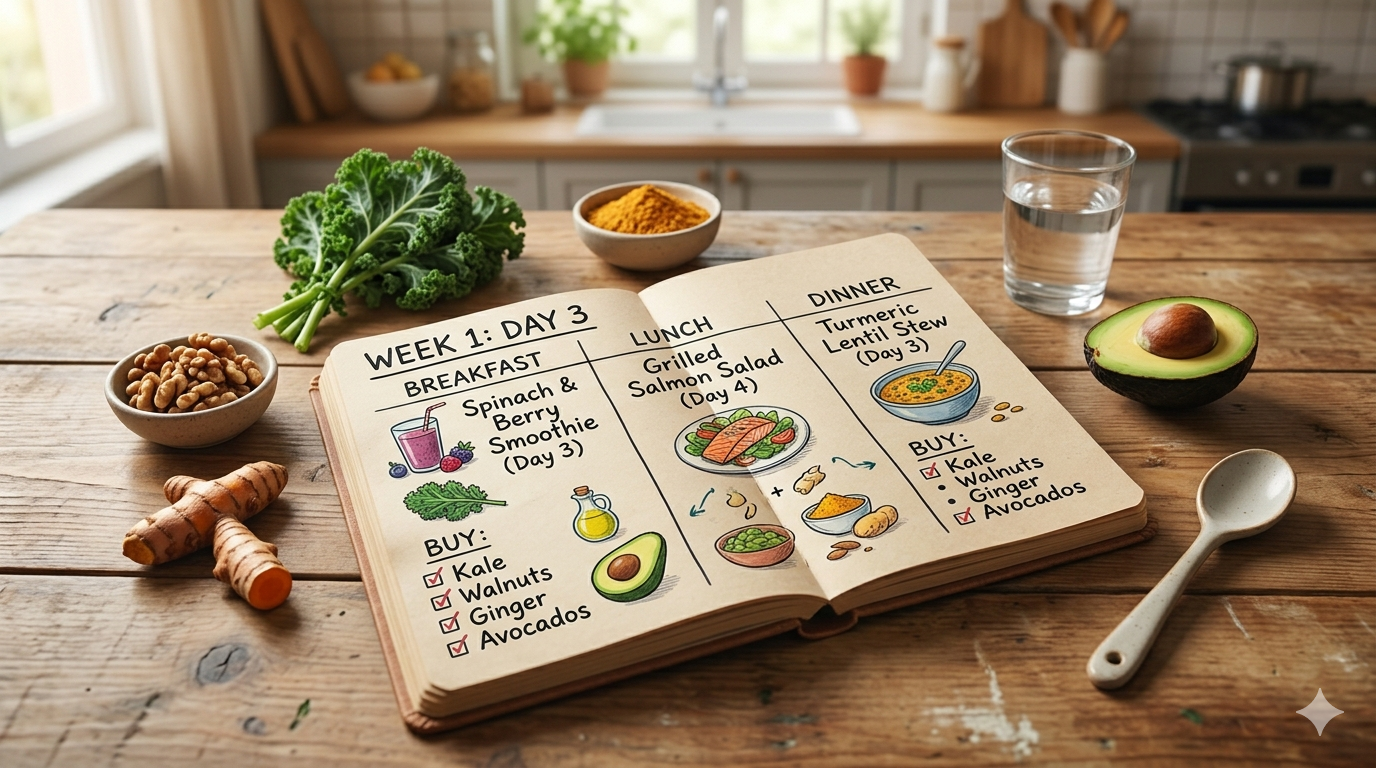
Your first week is all about clearing the decks. You will focus on removing the inflammatory triggers listed above while simultaneously supporting gut health foods like bone broth, fermented vegetables, and prebiotic-rich foods such as garlic, leeks, and asparagus. A healthy gut is absolutely central to reducing inflammation throughout the whole body. Since roughly 70% of your immune system lives in your digestive tract, fixing your gut is often the single most impactful thing you can do.
Sample Day 1 Meals:
- Breakfast: Scrambled eggs with spinach, sauteed in olive oil with a pinch of turmeric
- Lunch: Large green salad with canned salmon, avocado, cucumber, and lemon-olive oil dressing
- Dinner: Baked wild salmon with roasted broccoli and sweet potato
- Snack: A small handful of walnuts and fresh blueberries
Week 2: The Antioxidant Loading Phase (Days 8 to 14)
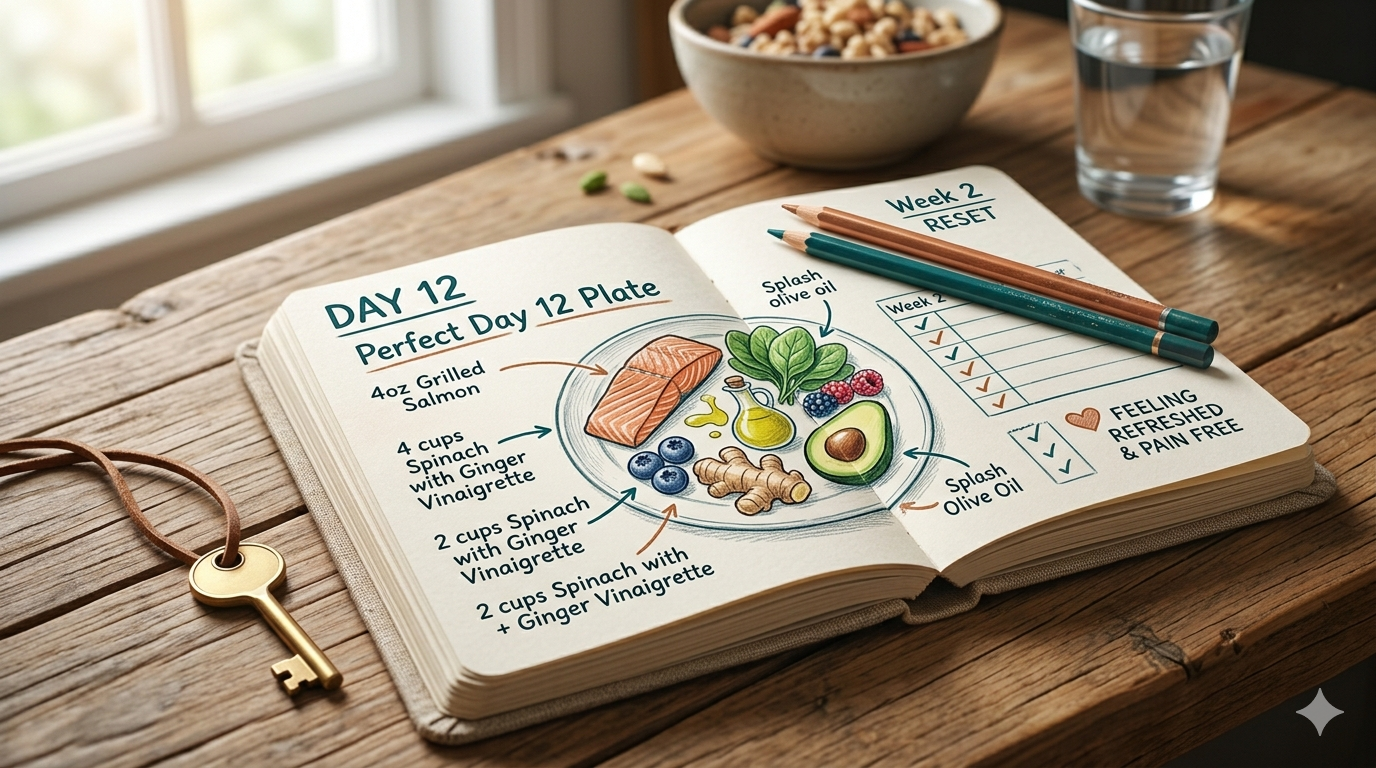
By week two, your gut has had time to calm down and begin healing. Now it is time to double down on antioxidant-rich meals to fight the oxidative stress that drives ongoing inflammation. This week, you will see more berries, dark leafy greens, beets, and even a small amount of dark chocolate, which is a genuinely powerful anti-inflammatory food when consumed in its high-cacao form. You may also introduce green tea as a daily ritual, since it is packed with catechins that actively lower inflammatory markers.
Sample Day 8 Meals:
- Breakfast: Smoothie made with frozen wild blueberries, spinach, flaxseeds, almond milk, and ginger
- Lunch: Lentil soup with turmeric, ginger, garlic, and kale
- Dinner: Grass-fed beef stir-fry with colorful bell peppers, broccoli, and sesame-ginger sauce over cauliflower rice
- Snack: Two squares of 85% dark chocolate with a handful of almonds
Week 3: Deep Healing and Long-Term Maintenance (Days 15 to 21)
The final week is about locking in the habits that will carry you beyond day 21. At this point, most people notice significantly less joint pain, better sleep, clearer skin, and more consistent energy levels. This week focuses on broadening your palate with a wider range of anti-inflammatory foods while also establishing simple, repeatable meal templates you can maintain for life. Cruciferous vegetables like cauliflower, Brussels sprouts, and broccoli take center stage because they contain sulforaphane, a compound with particularly strong anti-inflammatory effects.
Sample Day 15 Meals:
- Breakfast: Chia seed pudding made with coconut milk, topped with mixed berries and crushed walnuts
- Lunch: Roasted beet and arugula salad with goat cheese, pumpkin seeds, and olive oil vinaigrette
- Dinner: Slow-cooked chicken thighs with garlic, lemon, olives, and artichokes over wild rice
- Snack: Sliced apple with almond butter

The Role of Gut Health in Managing Inflammation
If there is one theme that runs through this entire 21-day plan, it is the importance of gut health foods. Your gut microbiome, which is the community of trillions of bacteria living in your digestive tract, plays a massive role in regulating inflammation. When the balance of bacteria shifts toward harmful strains, it triggers a process called intestinal permeability, sometimes called leaky gut, which allows inflammatory compounds to seep into the bloodstream.
Consequently, feeding the good bacteria with prebiotic fibers and fermented foods is one of the most direct ways to bring down systemic inflammation. Throughout your 21 days, you will be naturally supporting your microbiome by eating plenty of plant-based fiber, fermented foods like kimchi, kefir, and sauerkraut, and by avoiding the sugar and processed foods that feed harmful bacteria.
Tackling Joint Pain Through Diet
For anyone following this plan specifically for a joint pain diet benefit, the results can be particularly striking. Conditions like rheumatoid arthritis, osteoarthritis, and gout all have strong dietary connections. In fact, several clinical trials have shown that patients who shifted to an anti-inflammatory eating pattern experienced significantly reduced pain scores and improved mobility compared to those who made no dietary changes.
The reason is fairly straightforward. Omega-3 fatty acids from fish reduce the production of prostaglandins and leukotrienes, two key players in joint inflammation. Meanwhile, antioxidants from colorful produce mop up free radicals that damage joint tissue. And the elimination of refined carbohydrates and sugar reduces the blood glucose spikes that are now known to trigger inflammatory cytokines throughout the body.
So if joint stiffness is your primary concern, stick closely to the omega-3 foods and anti-inflammatory spices in this plan. You should start noticing improvements within the first ten days to two weeks.
Practical Tips to Make the Plan Work in Real Life
Knowing what to eat is one thing. Actually doing it consistently, especially when life gets busy, is another challenge entirely. Here are some strategies that will help you stick with the anti-inflammatory diet plan without feeling overwhelmed.
- Meal prep on Sundays: Spend two to three hours batch cooking grains, roasting vegetables, and marinating proteins so you have ready-to-go meals throughout the week
- Keep an anti-inflammatory pantry: Stock your kitchen with olive oil, canned wild salmon or sardines, canned lentils, turmeric, ginger, frozen berries, and walnuts so you always have the basics on hand
- Hydrate strategically: Water and green tea should be your primary drinks. Both support your kidneys in filtering out inflammatory byproducts
- Do not fear healthy fats: Many people have been conditioned to fear fat, but the fats in avocados, olive oil, and fatty fish are actively healing
- Read ingredient labels: Many packaged foods hide inflammatory oils and refined sugars under unfamiliar names
- Allow yourself flexibility: This is a reset, not a punishment. If you have a meal off the plan, simply return to it at the very next meal
Lifestyle Factors That Support Your Diet
Although food is the centerpiece of this plan, it works even better when combined with a few key lifestyle habits. Sleep deprivation, for instance, dramatically raises inflammatory markers, even in otherwise healthy people. Therefore, prioritizing seven to nine hours of quality sleep every night is just as important as eating salmon and blueberries.
Similarly, chronic stress raises cortisol levels, which in turn promotes inflammatory pathways. Even simple stress management practices like deep breathing, walking outdoors, or gentle yoga can make a measurable difference in your inflammatory load. Exercise is also deeply anti-inflammatory when done at moderate intensity. A brisk 30-minute walk five days a week has been shown to lower CRP, one of the main blood markers of inflammation.
What to Expect After 21 Days
By the end of your 21-day reset, most people report a noticeable reduction in joint pain and stiffness, improved digestion and less bloating, better sleep quality, clearer skin, more stable energy levels throughout the day, reduced brain fog, and a genuine shift in their food cravings. That last point is worth emphasizing. After three weeks without refined sugar and processed food, your taste buds recalibrate. Whole foods start tasting richer and more satisfying. You naturally stop reaching for the foods that were fueling your inflammation.
The goal, of course, is not to stop at 21 days. This reset is designed to be the beginning of a long-term healing diet plan, not a short-term fix. Once you have completed the three weeks, you have a working template that you can build your everyday eating habits around for years to come.
Frequently Asked Questions (FAQs)
Q1. How quickly will I see results from following an anti-inflammatory diet plan?
Most people begin to notice meaningful changes within the first seven to ten days of following a consistent anti-inflammatory diet plan. The very first improvements tend to show up in digestion and energy levels, since removing sugar and processed foods gives the gut almost immediate relief. Joint pain and stiffness typically take a little longer, often improving noticeably by the end of the second week. However, the timeline varies depending on how inflamed your body is when you start, how closely you follow the plan, and whether you are also addressing lifestyle factors like sleep and stress. If you have a chronic condition like rheumatoid arthritis or inflammatory bowel disease, you may need to follow the plan for six to eight weeks before experiencing full benefits. Either way, consistency is the single most important factor. Every meal you make from anti-inflammatory foods is a vote for your long-term health.
Q2. Can an anti-inflammatory diet plan help with arthritis pain specifically?
Yes, and quite significantly. Both rheumatoid arthritis and osteoarthritis involve inflammatory processes that are directly influenced by diet. Omega-3 foods like wild salmon and sardines have been shown in clinical research to reduce the production of pro-inflammatory prostaglandins, which play a major role in joint pain and swelling. Turmeric’s active compound, curcumin, has been compared to nonsteroidal anti-inflammatory drugs in several studies, with comparable results and far fewer side effects. Additionally, removing refined sugars and processed foods dramatically lowers the overall inflammatory burden on the body. Many arthritis patients who follow a dedicated joint pain diet report reduced morning stiffness, improved range of motion, and less reliance on over-the-counter pain medications within a matter of weeks. Always discuss dietary changes with your rheumatologist, especially if you are on medication.
Q3. Is the anti-inflammatory diet plan the same as the Mediterranean diet?
They overlap significantly but are not exactly the same. The Mediterranean diet is probably the most researched dietary pattern in the world and it is heavily anti-inflammatory by nature, featuring olive oil, fish, legumes, whole grains, fruits, and vegetables. The anti-inflammatory diet plan takes those same principles and makes the inflammation-fighting mechanism more explicit, often being stricter about eliminating processed foods, refined sugars, and certain vegetable oils. The healing diet plan in this article draws strongly from Mediterranean principles while also incorporating specific anti-inflammatory spices like turmeric and ginger, a stronger emphasis on omega-3 foods, and a focus on gut health foods that the Mediterranean diet sometimes overlooks. So you can think of a structured anti-inflammatory plan as a more targeted, therapeutic version of Mediterranean-style eating.
Q4. Are there any side effects when starting an anti-inflammatory diet?
When transitioning away from processed foods and sugar, some people experience a brief adjustment period in the first few days, sometimes called the detox phase. This can include mild headaches, fatigue, irritability, and digestive changes. These symptoms are actually a sign that your body is adjusting and are typically short-lived, lasting two to four days at most. Drinking plenty of water, getting good sleep, and not cutting calories too aggressively will help you through this phase. Beyond the initial transition, the anti-inflammatory diet is generally very well tolerated and actually tends to improve rather than cause digestive issues over time. If you have any underlying medical conditions or are on medication, particularly blood thinners, because omega-3 foods can have mild blood-thinning effects, check with your doctor before making major dietary changes.
Q5. What are the best omega-3 foods for reducing inflammation?
Omega-3 foods are among the most powerful tools in your anti-inflammatory arsenal, and fortunately there are plenty of delicious options. On the animal side, wild-caught salmon is the gold standard, offering over two grams of EPA and DHA per serving. Sardines are just as potent and far more affordable. Mackerel, herring, and anchovies are also excellent. For plant-based omega-3 sources, ground flaxseeds, chia seeds, and hemp seeds are your best bets, though they provide ALA rather than the more potent EPA and DHA found in fish. Walnuts are another great plant-based option. If you dislike fish, high-quality fish oil supplements or algae-based omega-3 supplements are solid alternatives. Aim to get omega-3 foods into your meals at least four to five times weekly for meaningful anti-inflammatory benefits.
Q6. Can antioxidant-rich meals really reduce chronic inflammation?
Absolutely. Antioxidant-rich meals work by neutralizing free radicals, which are unstable molecules that damage cells and trigger inflammatory responses throughout the body. When your antioxidant intake is consistently high, you create what scientists call an antioxidant surplus, where your body has more than enough resources to combat oxidative stress before it spirals into chronic inflammation. The most effective dietary antioxidants include vitamin C from citrus fruits and bell peppers, vitamin E from nuts and seeds, beta-carotene from orange and yellow vegetables, and polyphenols from berries, green tea, and dark chocolate. Studies have consistently shown that people with higher blood levels of these antioxidants have lower markers of systemic inflammation, including lower CRP, lower interleukin-6, and lower tumor necrosis factor-alpha. Building every meal around colorful plant foods is the most practical way to maintain this protective effect.
Q7. How important is gut health for managing a chronic inflammation diet?
Gut health is arguably the most important foundation of any chronic inflammation diet. The gut microbiome regulates immune function, modulates inflammatory signaling, and even communicates directly with the brain through what researchers call the gut-brain axis. When harmful bacteria overpopulate the gut, they produce compounds called lipopolysaccharides that trigger widespread inflammation. Conversely, a diverse and thriving microbiome produces short-chain fatty acids that actively calm inflammation. To support gut health on this plan, focus on prebiotic-rich gut health foods like garlic, onions, leeks, asparagus, and oats, which feed beneficial bacteria. Also include probiotic fermented foods like kimchi, sauerkraut, plain kefir, and yogurt. Removing sugar and processed foods is equally important since those feed the harmful bacteria that disrupt the gut lining and promote inflammation.
Q8. Can I follow this anti-inflammatory diet plan if I am vegetarian or vegan?
Yes, absolutely, and a well-planned plant-based anti-inflammatory diet can be extremely effective. The key is making sure you are getting enough omega-3 fats, since the most potent forms, EPA and DHA, come primarily from fatty fish. Vegetarians can supplement with algae-based omega-3 capsules, which are actually the original source of these fatty acids since fish obtain them by eating algae. Vegans and vegetarians also have a natural advantage in that they tend to eat more plant-based antioxidants, fiber, and gut health foods by default. Focus on flaxseeds, chia seeds, walnuts, hemp seeds, tofu, tempeh, a wide variety of colorful vegetables, legumes, and whole grains. Turmeric, ginger, and garlic are just as powerful in a plant-based kitchen. You can follow all three weeks of this 21-day plan without any animal products and achieve excellent results.
Q9. Is dark chocolate really anti-inflammatory?
Yes, and this is one of the most enjoyable facts in nutritional science. Dark chocolate, specifically varieties containing 70% cacao or higher, is genuinely packed with flavonoid antioxidants called flavanols. These compounds have been shown in multiple clinical studies to reduce inflammatory markers, improve blood vessel function, and even lower blood pressure. The key is choosing dark chocolate with minimal added sugar and no partially hydrogenated oils. Two to three small squares, roughly 20 to 30 grams of 80% to 85% dark chocolate per day, is a realistic and effective amount. Milk chocolate does not offer the same benefits because the milk proteins interfere with antioxidant absorption, and the higher sugar content counteracts the anti-inflammatory effects. So go ahead and enjoy a little dark chocolate on your 21-day reset. It is one of the rare cases where something that tastes indulgent is genuinely healing.
Q10. What happens after the 21 days are over? Do I have to keep eating this way forever?
The honest answer is that the more consistently you follow an anti-inflammatory diet plan, the more lasting your results will be. Inflammation is not something you beat once and leave behind. It responds to your ongoing daily habits. That said, this does not mean you need to follow the plan with military precision for the rest of your life. After completing the 21-day reset, most people find that they genuinely enjoy the foods they have been eating, feel markedly better, and no longer crave the processed foods they gave up. The transition from a reset to a long-term lifestyle tends to happen naturally. A reasonable approach for life after day 21 is to follow the anti-inflammatory guidelines about 85 to 90% of the time while allowing occasional flexibility for social events, travel, and celebrations. This balance is sustainable, enjoyable, and more than sufficient to maintain significant protection against chronic inflammation over the long term.
Final Thoughts
Pain and inflammation do not have to be permanent features of your daily life. By committing to a consistent anti-inflammatory diet plan for just 21 days, you give your body a powerful reset, one that addresses the root causes of inflammation rather than simply masking the symptoms. The foods in this plan are not exotic or expensive. They are whole, real ingredients that your grandmother would have recognized. The key is combining them intentionally and consistently over these three weeks.
So start with week one. Focus on one meal at a time. And trust that every colorful, nutrient-rich plate you put together is moving you closer to less pain, more energy, and a body that feels genuinely well. Your 21-day reset starts now.

GIPHY App Key not set. Please check settings