 Admin
Admin
High Protein Diet Plan: 14-Day Menu for Muscle and Fat Loss
Want to burn fat and gain muscle easily and effectively? If that is the case, then a high protein diet plan is just exactly what you’re looking for. Protein is one of the most important nutrients for your body. It is beneficial to the growth of muscles, helps retain the sense of fullness for longer and even increases metabolism. Additionally, high protein diets can help you burn fat quicker than those with low protein intake. In this article, you’ll learn all the things you must know about a high protein diet plan. You’ll discover what to eat, when to eat and how much protein to consume daily. Not to mention, we’ve designed a full 14-day, high protein diet plan to make it easy for you. Okay, so let’s get on with it then!
What Is a High Protein Diet Plan?
A high protein diet plan is one that emphasizes increasing the amount of protein you consume each day. Most health professionals say that 25–35% of your daily calories should be from protein. So, consuming 2,000 calories per day, you should seek to consume 125–175 grams of protein.In addition, a protein diet plan for weight loss is quite dissimilar from a standard diet. Some of the carbohydrates and fats are turned into protein. Therefore, you feel full for longer, consume less calories and your body burns fat rather than muscle.This means those on a high protein diet will lose more fat without losing muscle. This makes it one of the top diets to begin, as well as for advanced fitness enthusiasts.
Why Does Protein Help with Weight Loss and Muscle Gain?
The reasons for the strength of protein are numerous. Firstly, protein has a high thermogenic effect. This means that your body expends more energy digesting it than it would a carb or fat. So, as a result of eating more protein, your calorie expenditure is also increased during the day.
Secondly, protein makes you feel full longer. This means you will not feel hungry or short of food, as a result you naturally consume less food. This is one of the most significant advantages of a protein diet to lose weight.
Thirdly, protein is the building block of muscle. When you exercise, your muscles get small tears in them. Your body uses the protein to build and repair those muscles to make them bigger and stronger. So, to build muscle properly you need sufficient protein.
Lastly, there have been studies that have demonstrated that when you have a high protein diet plan you are able to keep a lot of muscle mass during weight loss. It is important because there are plenty of people who shed both fat and muscle weight while on a diet. But when you have the right amount of protein, your body is able to burn fat rather than muscle.
Best Protein-Rich Foods for Your Diet
Before we dive into the 14-day meal plan, let’s first take a look at the best lean protein sources that you should be consuming. The following table gives information on the food, which has highest protein content and their protein and calorie content per 100 grams.
|
Food |
Protein (per 100g) | Calories | Best For |
| Chicken Breast | 31g | 165 kcal |
Muscle Building |
|
Canned Tuna |
29g | 116 kcal | Fat Loss |
| Greek Yogurt | 17g | 130 kcal |
Snacking & Recovery |
|
Eggs |
13g | 155 kcal | All-Round Nutrition |
| Lentils | 9g | 116 kcal |
Plant-Based Protein |
|
Salmon |
25g | 208 kcal | Muscle & Heart Health |
| Cottage Cheese | 11g | 98 kcal |
Weight Loss & Snacks |
|
Lean Beef |
26g | 217 kcal |
Muscle Growth |
The table above demonstrates that there are numerous healthy foods that have a high protein content. Whether you choose plant or animal protein, it’s easy to make a healthy and fulfilling high protein diet plan.
How Much Protein Do You Actually Need?
A frequently asked question is, how much protein is needed daily? That’s a case-by-case thing that depends on weight, level of activity and your objectives. But the following is a general guideline that’s easy to follow.
- For general health: 0.8 g of protein/kg of body weight
For fat loss: 1.2 – 1.6 grams per kilogram of body weight
- For strength training: 1.1 to 1.8 grams per kg of body weight
- For athletes or heavy trainers: up to 2.5 g/kg.
For instance, a 70 kg person who wants to lose fat should consume anywhere between 84 and 112 grams of protein daily. If your objective is to build muscle, you ought to seek 112 to 154 grams. There are online protein intake calculators that can provide a more specific number based upon your individual information.
Also, it’s best to distribute your protein dosage throughout the day. So rather than having all your protein at dinner, make sure to have a good protein in each meal and snack throughout the day.
14-Day High Protein Meal Plan
So now to the best part. Here is the full 14 day high protein diet plan for you. This plan provides you with an estimated 1800-2200 calories daily and an estimated 130-160g of protein daily. Plus, it is paired with nourishing carbohydrates and fats to ensure you stay neither hungry nor exhausted.
|
Day |
Breakfast | Lunch | Dinner |
Snack |
|
Day 1 |
Greek Yogurt + Berries | Grilled Chicken Salad | Baked Salmon + Veggies | Boiled Eggs |
| Day 2 | Scrambled Eggs + Toast | Turkey Wrap | Lean Beef Stir-Fry |
Cottage Cheese |
|
Day 3 |
Protein Smoothie | Tuna Salad Bowl | Chicken Breast + Quinoa | Mixed Nuts |
| Day 4 | Oatmeal + Protein Powder | Lentil Soup + Egg | Shrimp & Veggie Bowl |
String Cheese |
|
Day 5 |
Egg White Omelette | Grilled Salmon Wrap | Turkey Meatballs + Pasta | Greek Yogurt |
| Day 6 | Cottage Cheese + Fruit | Chicken Caesar Salad | Beef & Broccoli Bowl |
Protein Bar |
|
Day 7 |
Veggie Egg Scramble | Tuna Stuffed Avocado | Baked Chicken Thighs | Almonds |
|
Day 8 |
Greek Yogurt Parfait | Chickpea & Spinach Bowl | Grilled Tilapia |
Hard-Boiled Eggs |
| Day 9 | Protein Pancakes | Turkey Lettuce Wraps | Lean Lamb Chops |
Edamame |
|
Day 10 |
Smoothie + Chia Seeds | Quinoa Chicken Bowl | Baked Cod + Asparagus | Peanut Butter + Apple |
| Day 11 | Egg Muffins + Salsa | Lentil & Veggie Soup | Chicken Stir-Fry |
Protein Shake |
|
Day 12 |
Avocado Toast + Eggs | Shrimp Salad | Ground Turkey Tacos | Cottage Cheese |
| Day 13 | Omelette + Whole Grain | Chicken Noodle Soup | Baked Salmon & Quinoa |
Mixed Nuts |
|
Day 14 |
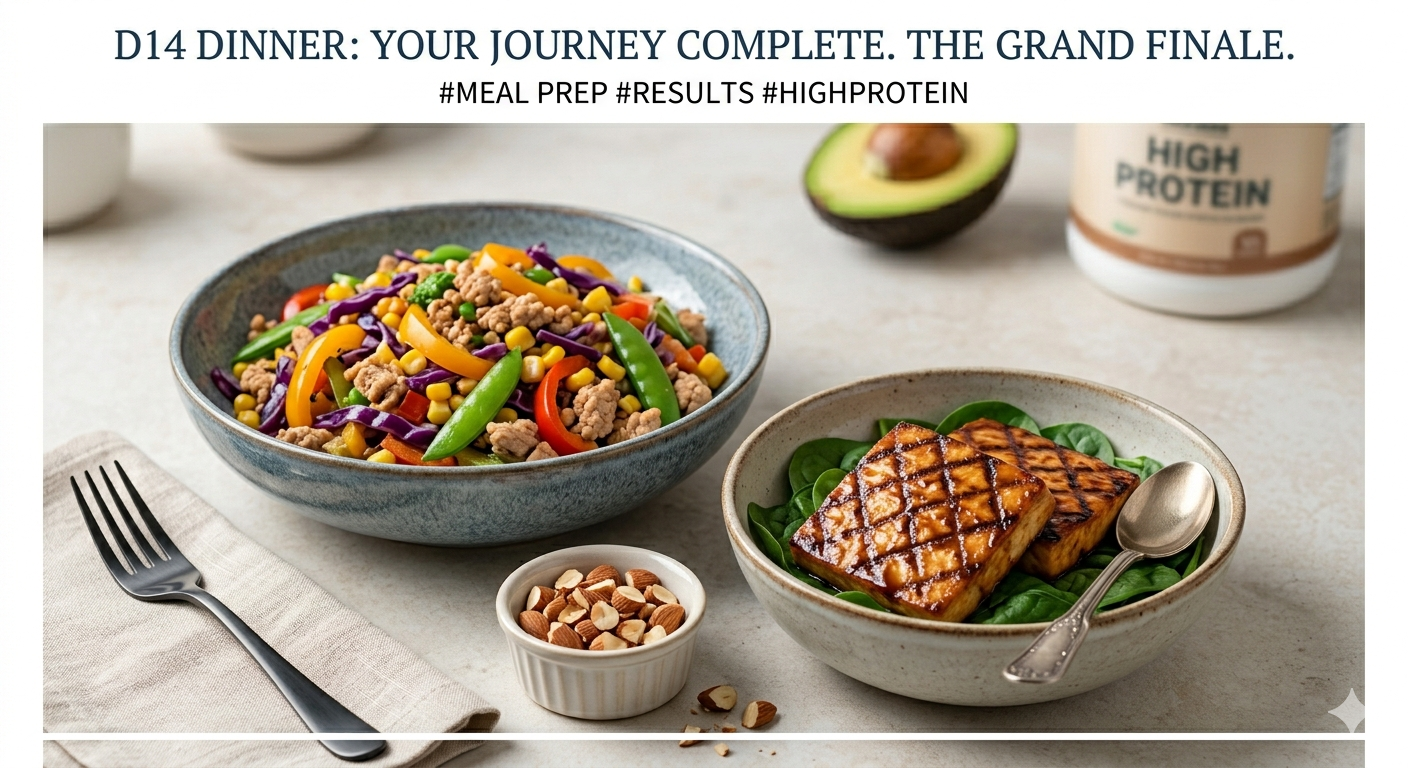
Greek Yogurt + Granola | Tuna Pasta Salad | Grilled Steak + Greens |
Boiled Eggs |
This 14-day high protein meal plan gives you a great variety of meals so you never get bored. Moreover, all of these meals are simple to prepare and use ingredients that are easy to find at any grocery store.
Low Carb High Protein: Is It the Best Approach?
Many people ask whether they should follow a low carb high protein diet. The truth is, reducing carbohydrates while increasing protein can be very effective for fat loss. When you eat fewer carbs, your body is forced to use fat as its primary fuel source. Therefore, combining low carbs with high protein creates the perfect environment for fat burning.
However, it is important to note that you do not need to cut out all carbs. Instead, focus on eating complex carbs like oats, sweet potatoes, brown rice, and quinoa. These are digested slowly and provide steady energy throughout the day. Furthermore, they pair very well with lean protein sources to keep you full and satisfied.
So, a moderate low carb high protein approach works best for most people. It gives you the benefits of fat loss without making you feel exhausted or depleted of energy.
Tips to Get the Most Out of Your High Protein Diet Plan
To get the best results from your high protein meal plan, follow these simple and practical tips.
- Drink plenty of water: Protein metabolism requires more water, so aim for at least 8–10 glasses per day.
- Eat protein at every meal: This keeps your muscles fueled and prevents overeating.
- Choose lean protein sources: Opt for chicken breast, fish, egg whites, and legumes to keep calories in check.
- Prepare meals in advance: Meal prepping saves time and keeps you on track with your diet plan.
- Combine protein with fiber: Pair protein with vegetables and whole grains for better digestion and satiety.
- Do not skip breakfast: A protein-rich breakfast sets the tone for the entire day and reduces cravings.
- Track your intake: Use a food tracking app to make sure you are hitting your daily protein goals.
Furthermore, consistency is the key to success. Therefore, stick to your high protein diet plan for at least 4 to 6 weeks before judging the results. Most people start noticing significant changes in their body composition within the first month.
Protein for Fat Loss: How It Works
One of the best-proven strategies for fat loss is to increase your protein intake. Research consistently shows that people who eat more protein lose more body fat compared to those who eat less protein, even when total calories are similar. This happens for several important reasons.
First, protein increases your metabolic rate, meaning you burn more calories at rest. Secondly, it reduces appetite-stimulating hormones while boosting satiety hormones. As a result, you naturally eat less without counting every calorie. Thirdly, protein for fat loss works by preserving lean muscle tissue, which keeps your metabolism high even as you lose weight.
Moreover, when combined with regular exercise, a high protein diet plan accelerates fat loss even further. Therefore, try to include at least 3 to 4 days of exercise per week, including both cardio and strength training, for the best results.
Common Mistakes to Avoid on a High Protein Diet
While a high protein diet plan is highly effective, there are some common mistakes that can slow down your progress. Therefore, it is important to be aware of these and avoid them.
- Eating too much red meat: While red meat is high in protein, it is also high in saturated fat. Balance it with fish, poultry, and plant proteins.
- Ignoring vegetables: Some people focus only on protein and forget to eat enough vegetables. However, vegetables provide important vitamins, minerals, and fiber.
- Not drinking enough water: High protein intake can put extra strain on your kidneys if you do not drink enough water. So, stay well hydrated at all times.
- Relying too much on protein supplements: Whole food protein sources are always better than supplements. Use protein shakes only when needed.
- Skipping carbs completely: While reducing carbs can help, eliminating them entirely can cause fatigue and poor workout performance.
By avoiding these mistakes and staying consistent with your high protein meal plan, you will see much faster and more sustainable results.
Frequently Asked Questions (FAQs)
1.What is a high protein diet plan and how does it work?
A high protein diet plan is a structured way of eating where protein makes up a larger portion of your daily calories — usually around 25 to 35 percent. It works by increasing your body’s ability to burn fat while preserving or building lean muscle mass. When you eat more protein, your body has to work harder to digest it, which burns extra calories through a process called the thermic effect of food. Additionally, protein keeps you feeling full for longer periods, which naturally reduces your overall calorie intake. Furthermore, protein acts as the building block for muscle tissue. So, whether your goal is weight loss or muscle gain, a high protein diet plan helps you reach it more effectively than a standard balanced diet. Moreover, this type of eating plan also helps stabilize blood sugar levels and reduce cravings throughout the day.
2.How much protein should I eat per day on a high protein diet?
The amount of protein you should eat per day depends on your body weight, age, activity level, and personal goals. As a general rule, if you want to lose fat, aim for 1.2 to 1.6 grams of protein per kilogram of body weight. If your goal is muscle building, increase that to 1.6 to 2.2 grams per kilogram. For example, a person who weighs 70 kg and wants to build muscle should target approximately 112 to 154 grams of protein per day. You can use a free protein intake calculator available online to get a more accurate number based on your specific details. Furthermore, try to spread this protein evenly across 4 to 5 meals throughout the day for the best results. This approach keeps muscle protein synthesis active all day long and prevents muscle breakdown.
3.What are the best lean protein sources for a high protein meal plan?
The best lean protein sources for a high protein meal plan include chicken breast, turkey, canned tuna, fresh salmon, tilapia, shrimp, egg whites, Greek yogurt, cottage cheese, lentils, chickpeas, tofu, and edamame. These foods are high in protein but relatively low in calories and unhealthy fats, which makes them perfect for both weight loss and muscle building. Additionally, lean beef, low-fat dairy products, and protein powder are also excellent options when needed. When choosing protein-rich foods, always try to pick options that are minimally processed and free from added sugars or artificial ingredients. Furthermore, rotating between different protein sources helps ensure that you get a wide range of essential amino acids, vitamins, and minerals that your body needs to function at its best every single day.
4.Can a high protein diet plan help with fat loss?
Yes, absolutely! A high protein diet plan is one of the most effective approaches for fat loss. There are several scientific reasons why this works so well. First, protein has a high thermic effect, meaning your body burns more calories just to digest and process it compared to carbohydrates or fat. Second, protein reduces hunger hormones like ghrelin while increasing satiety hormones like peptide YY, which makes you feel fuller with fewer calories. Third, a high protein diet helps preserve lean muscle mass during a calorie deficit. This is very important because more muscle means a higher resting metabolic rate, which means you burn more calories even when you are not exercising. Therefore, by following a structured high protein diet plan for fat loss combined with regular exercise, most people see significant body composition improvements within four to eight weeks.
5.Is a low carb high protein diet better for weight loss?
A low carb high protein diet can be very effective for weight loss, especially in the short term. When you reduce carbohydrates significantly, your body enters a state where it relies more heavily on fat for fuel. At the same time, high protein intake helps preserve muscle and keeps hunger levels under control. Together, these two effects create an ideal environment for rapid fat loss. However, it is important to note that completely eliminating carbohydrates is not necessary or recommended for most people. Instead, focusing on complex, low-glycemic carbohydrates like sweet potatoes, oats, and brown rice alongside high protein intake gives you sustainable energy for daily activities and workouts. Furthermore, this moderate low carb high protein approach is much easier to maintain in the long run, which is the most important factor for lasting weight loss success.
6.What should a high protein breakfast look like?
A great high protein breakfast should contain at least 25 to 35 grams of protein and be balanced with some healthy carbohydrates and fats. Some excellent options include scrambled eggs with whole grain toast and avocado, Greek yogurt parfait with granola and mixed berries, a protein smoothie made with protein powder, almond milk, banana, and nut butter, egg white omelette with vegetables and low-fat cheese, or cottage cheese topped with fresh fruit and a sprinkle of nuts. Starting your day with a high protein meal has been shown to reduce cravings and prevent overeating later in the day. Moreover, it helps jumpstart your metabolism in the morning and provides your muscles with the amino acids they need after an overnight fast. Therefore, never skip breakfast when following a high protein diet plan.
7.Can vegetarians and vegans follow a high protein diet plan?
Yes, vegetarians and vegans can absolutely follow a high protein diet plan with a little extra planning. There are many excellent plant-based protein-rich foods available. Lentils, chickpeas, black beans, kidney beans, tofu, tempeh, edamame, seitan, quinoa, hemp seeds, chia seeds, and nutritional yeast are all great sources of plant protein. Additionally, plant-based protein powders made from pea protein, hemp protein, or brown rice protein are convenient options for boosting daily intake. The key for vegans is to combine different plant protein sources throughout the day to ensure they get all the essential amino acids their body needs. For example, combining rice with beans provides a complete amino acid profile similar to animal proteins. Therefore, with proper planning and food variety, a vegan or vegetarian high protein meal plan is entirely achievable and highly effective.
8.Are protein supplements necessary on a high protein diet?
Protein supplements, such as whey protein, casein, or plant-based protein powders, are not strictly necessary on a high protein diet plan. In most cases, you can meet all your protein needs through whole food sources like chicken, fish, eggs, dairy, and legumes. However, protein supplements can be very convenient and useful in certain situations. For example, if you are very busy and cannot always prepare a full meal, a protein shake is a quick and easy way to hit your daily protein targets. Similarly, having a protein shake right after a workout can be beneficial for muscle recovery and growth. Nevertheless, always prioritize whole food protein sources first, and use supplements only when needed as a convenient top-up. Furthermore, whole foods provide additional nutrients like vitamins, minerals, and fiber that protein powders simply cannot replace.
9.How soon will I see results on a high protein diet plan?
Most people notice initial results within the first one to two weeks of starting a high protein diet plan. Early weight loss is mostly water weight, as the body burns stored glycogen and releases associated fluid. Visible fat loss and muscle changes typically appear after four to six weeks of consistent effort.
10.Is a high protein diet safe for everyone?
For most healthy adults, a high protein diet plan is completely safe and beneficial. However, there are some groups of people who should be more careful or consult a doctor before significantly increasing their protein intake. People with existing kidney disease or reduced kidney function should be cautious, as high protein intake can put extra strain on the kidneys. Additionally, individuals with certain liver conditions or metabolic disorders may need personalized dietary guidance. Furthermore, pregnant or breastfeeding women should consult their healthcare provider before making major dietary changes. For healthy individuals without any underlying medical conditions, numerous studies have confirmed that high protein diets are safe for both short-term and long-term use. Moreover, staying well hydrated by drinking plenty of water is important when following a high protein diet plan to support proper kidney function and overall health.
Final Thoughts
A high protein diet plan is one of the most powerful and proven strategies for losing fat and building muscle at the same time. Moreover, it is easy to follow, flexible, and suitable for people of all fitness levels. By focusing on protein-rich foods, eating balanced meals, and staying consistent with your 14-day high protein meal plan, you can achieve remarkable results.
Remember, the key to success is consistency. Therefore, stick to your plan, track your progress, stay hydrated, and exercise regularly. Whether your goal is fat loss, muscle building, or simply a healthier lifestyle, a high protein diet plan can help you get there faster and in a sustainable way.
Now that you have all the information and the complete 14-day meal plan, it is time to take action. Start today and see the amazing difference that a high protein diet plan can make in your life

GIPHY App Key not set. Please check settings