
 Admin
Admin
Introduction
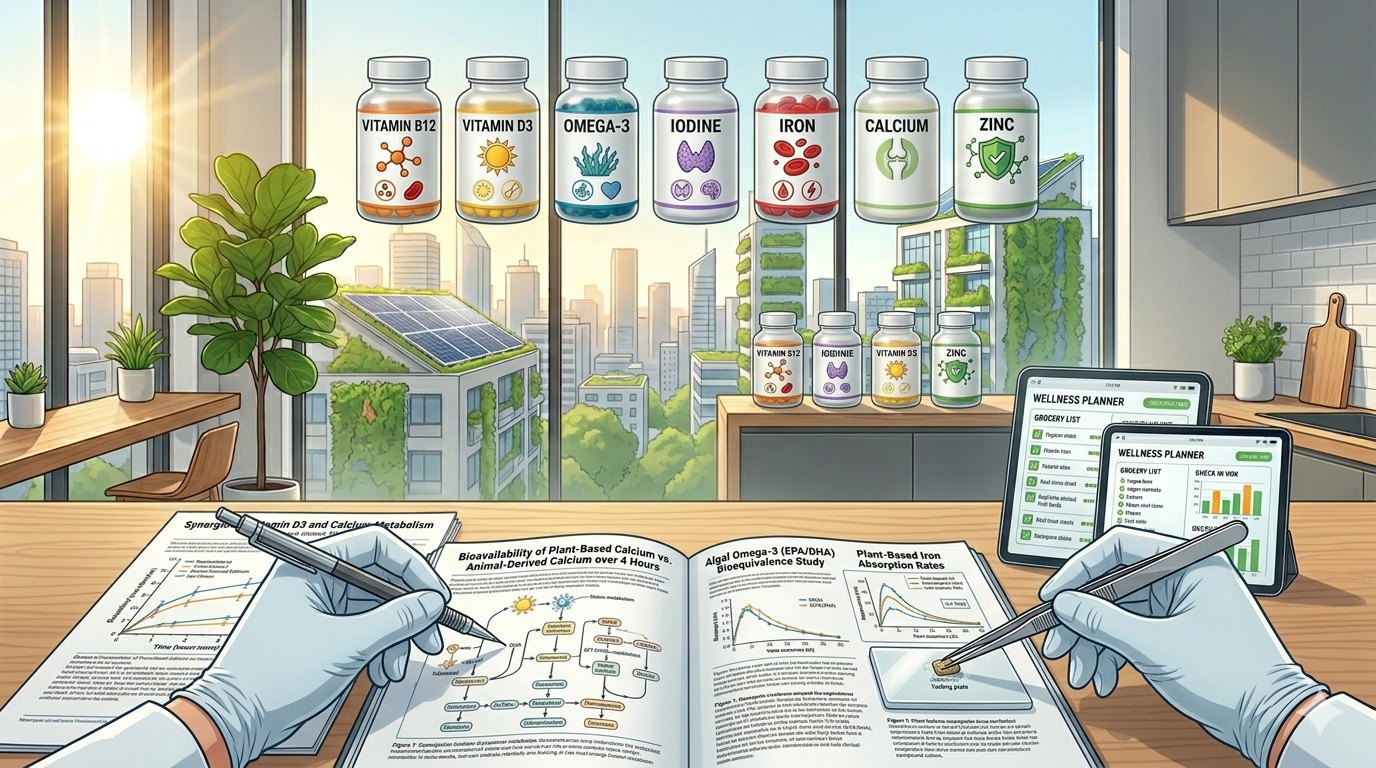
Let’s get real for a minute. When I first became a vegan I thought I could just eat lots of vegetables and legumes. I felt amazing for several months. But gradually I began to feel very fatigued. My hands would tingle. I could not focus at work. My doctor confirmed I was very deficient in Vitamin B12 after a blood test. That was my light bulb moment.It’s true, there are some key nutrients you can miss on a healthy vegan diet. But it doesn’t mean you should give up being vegan. It is a reason to be a bit more savvy. Essential vegan supplements can help you feel better and stronger than ever before.Here I will explain the 7 Essential Vegan Supplements need in 2026. I will explain why they’re important, how much you should take, and how to get them. And I will address the 10 questions I am asked most frequently. Let’s dive in.
1. Why vegans need essential vegan supplements
A vegan diet is truly a healthy diet. It’s rich in fiber, antioxidants, and good fats. Studies from Harvard and other leading universities show being vegan reduces the risk of cardiovascular disease, type 2 diabetes, and certain cancers. So be vegan, by all means.
But here is the thing. Many nutrients are found in animal foods. You need these to be healthy. By eliminating animal foods, you eliminate these nutrients unless you replace them. And even those that are present may be more difficult to absorb in plant form.
That’s where vegan supplements come in. Don’t think of them as an indicator of an inadequate diet. Think of them as good health insurance. They top up the little holes that can be left in a plant-based diet.
2. Quick reference: All 7 essential vegan supplements at a glance
Before going into detail, here is a simple overview table. Use this as a quick checklist when you go supplement shopping.
| # | Supplement | Main Job in Your Body | Best Vegan Source | Daily Target |
|---|---|---|---|---|
| 1 | Vitamin B12 | Nerve health, energy, red blood cells | Fortified foods / supplement | 2.4 mcg+ |
| 2 | Vitamin D3 (Vegan) | Bones, immunity, mood | Lichen-based supplement | 1,000–2,000 IU |
| 3 | Omega-3 DHA/EPA | Brain, heart, inflammation | Algae oil supplement | 250–500 mg |
| 4 | Iron | Oxygen transport, energy | Lentils, tofu, fortified cereal | 8–18 mg |
| 5 | Calcium | Bones, teeth, muscles | Fortified plant milk, tofu | 1,000 mg |
| 6 | Zinc | Immunity, wound healing, taste | Pumpkin seeds, chickpeas | 8–11 mg |
| 7 | Iodine | Thyroid, metabolism | Iodized salt, supplement | 150 mcg |
3. The 7 essential vegan supplements explained
3.1 Vitamin B12: The number one supplement you need as a vegan
I’ve told you my B12 story. But let me explain why this vitamin is so important. Vitamin B12 is used in your body to create red blood cells, to keep your nervous system healthy, and to copy your DNA. It is essential for health and life.
Here is the problem. You can only get B12 from animal products like meat, fish, eggs, milk, and cheese. Plants don’t contain B12. Some fermented foods or algae contain a form of B12, but it is a form that cannot be used by humans. So if you are on a plant-based diet, you need to take a supplement. Full stop.
How much B12 should you take?
The recommended dietary intake (RDI) for adults is 2.4 mcg or more per day. But B12 absorption drops with increased doses, so most nutritionists recommend 25 to 100 mcg a day. If you prefer to take it weekly, take 2,000 mcg a week. Cyanocobalamin is the best known and most stable form. Make sure it appears on the label.
Signs of B12 deficiency
- Feeling easily fatigued and weak
- Tingling in your fingers and toes
- Feeling confused or having difficulty focusing
- Pale or yellow skin
- Anxiety or depression
3.2 Vitamin D3: The sunshine vitamin vegans need
Here’s a shocking statistic. Vitamin D is one of the most common global nutrient deficiencies, and not only among vegans. Around 1 billion people worldwide are low in it. So if you’re a vegan deficient in vitamin D, you are far from alone.
Vitamin D is made in your skin when you are exposed to the sun. This requires sunny conditions, exposure between 10am and 3pm, during summer, and no sunscreen. If you live in the northern hemisphere, work in an office, or wear clothing that covers your skin, you might be deficient. And if you’re vegan, you can’t rely on the natural food sources of vitamin D, which are mainly oily fish and egg yolk.
Vitamin D supports your bones by helping your body absorb calcium. It also supports immunity and mood. Low levels of Vitamin D can lead to seasonal affective disorder (SAD) and increased susceptibility to illness.
How to get a vegan Vitamin D3 supplement
Most Vitamin D3 supplements are produced from lanolin, a wool byproduct, which is not vegan. A vegan Vitamin D3 derived from lichen is now widely available and just as effective. Research confirms it raises blood levels of Vitamin D equally well. Be sure to ask for the lichen-based version specifically.
Take 1,000 to 2,000 IU daily, with a meal containing some fat. Vitamin D is fat-soluble, so pairing it with avocado, nuts, or olive oil significantly improves absorption.
3.3 Omega-3 fatty acids (DHA and EPA): Superfood for the brain
You may have heard that Omega-3s are good for you. They really are. These healthy fats support brain health, heart function, and have a powerful anti-inflammatory effect. But this is where many vegans get confused.
Omega-3 comes in three types: ALA, DHA, and EPA. ALA is found in flaxseeds, chia seeds, and walnuts. These are the omega-3 fats most vegans eat regularly, often believing they are fully supporting their brain and heart. But what your brain and heart actually need is DHA and EPA.
ALA can be converted to DHA and EPA inside the body, but this conversion is not efficient. Research shows that only 5 to 10 percent of ALA converts to EPA, and even less converts to DHA. So even if you eat flaxseed every day, you could still be low on DHA and EPA.
The vegan solution: Algae oil
Here is something genuinely cool. Fish don’t make their own Omega-3. They get DHA and EPA from algae. So you can go straight to the source. Algae-based Omega-3 supplements provide DHA and EPA directly. They are as effective as fish oil and considerably better for the environment.
Take 250 to 500 mg of combined DHA and EPA per day. Best taken with food.
3.4 Iron: Don’t let fatigue and brain fog slow you down
Your blood uses iron to transport oxygen throughout your body. Without enough iron, your muscles and brain receive less oxygen. You feel tired, dizzy, and cold. This condition is known as iron-deficiency anaemia and it’s more common than many people realise, particularly among vegan women.
Iron is present in plant foods. Lentils, spinach, tofu, pumpkin seeds, black beans, and fortified cereals all contain iron. The problem is that the type of iron found in plants, known as non-heme iron, is not absorbed as efficiently as the iron in meat.
Tips for better iron absorption on a vegan diet
- Eat iron-rich foods with Vitamin C. For example, have orange juice with lentil soup.
- Avoid tea or coffee alongside iron-rich meals. These drinks contain compounds that block iron absorption.
- Soak and cook legumes thoroughly. Soaking reduces iron-blocking compounds significantly.
- Cook in a cast-iron pan. Small amounts of iron can transfer into your food during cooking.
3.5 Calcium: Strong bones without dairy
To most people, calcium means dairy. But calcium is found in many non-dairy plant foods. It just requires knowing which foods to eat and getting enough of them consistently. Calcium supports healthy bones and teeth. It’s also essential for your heart to beat, muscles to contract, and nerves to transmit signals.
Excellent plant-based sources of calcium include:
- Fortified plant milks such as soy, oat, and almond
- Tofu made with calcium sulfate
- Kale, bok choy, and broccoli
- Almonds, white beans, edamame, and figs
A cup of fortified soy milk contains roughly the same amount of calcium as a cup of cow’s milk.
If you eat these foods daily and in varied quantities, you may not need a calcium supplement. But if your diet is less varied, a supplement makes sense. Aim for 1,000 mg per day, split into two doses to improve absorption.
One important note: calcium and Vitamin D work together. Without sufficient Vitamin D, your body cannot absorb calcium properly. Make sure you are getting both.
3.6 Zinc: The mineral that quietly powers your immune system
Zinc works behind the scenes but plays a critical role. It supports your immune system in fighting viruses and bacteria. It helps wounds heal. It supports your sense of taste and smell. And it is involved in the production of protein and DNA.
For vegans, zinc presents a similar challenge to iron. Zinc is present in plant foods including pumpkin seeds, hemp seeds, cashews, chickpeas, and whole grains. But plant zinc is bound to compounds called phytates, which reduce how much zinc your body can absorb. Research suggests vegans may need up to 50 percent more zinc than meat-eaters to achieve the same blood levels.
How to get more zinc on a vegan diet
- Soak legumes, nuts, and seeds for 8 hours before using them
- Choose leavened bread such as sourdough over unleavened alternatives
- Eat fermented soy products like tempeh and miso regularly
- Consider a zinc supplement, with zinc citrate or zinc picolinate being the most easily absorbed forms
The recommended dose is 8 mg per day for women and 11 mg for men. Do not exceed 40 mg daily, as high doses can deplete copper and cause other issues.
3.7 Iodine: The supplement most vegans overlook
Iodine doesn’t get much attention in the vegan nutrition world. It should. Your thyroid gland uses iodine to produce hormones that regulate your metabolism, energy levels, body temperature, and growth. Without sufficient iodine, your thyroid cannot function properly.
Iodine deficiency is rare in non-vegans because they consume dairy and seafood regularly. Vegans who don’t eat these foods are at real risk. This risk is made worse by the fact that many vegans reach for exotic sea salt or pink Himalayan salt, which contains no iodine. Iodized table salt is the better choice.
Seaweed is a vegan source of iodine. However, the iodine content in seaweed varies enormously and can reach toxic levels that damage the thyroid. For this reason, a consistent iodine supplement of 150 mcg per day is the safest and most reliable option for most vegans.
4. How to find quality essential vegan supplements
Not all supplements are created equal. In many countries the supplement industry is not heavily regulated, which means quality can vary widely. Here is how to ensure you are getting a quality product.
- Look for third-party testing. Choose products certified by NSF International, USP, or Informed Sport. These certifications confirm the product has been independently tested and contains what it claims.
- Look for the vegan symbol. Capsules can be made from gelatin, which comes from animal bones. Look for capsules made from HPMC (hydroxypropyl methylcellulose), which is fully vegan.
- Select the right form of each nutrient. Cyanocobalamin is the most stable form of B12. Zinc citrate is better absorbed than zinc oxide. Algae oil is the right choice for Omega-3, not ALA.
- Get a blood test first. A blood test tells you exactly which nutrients you are deficient in so you buy only what you actually need.
- Consult a registered dietitian. A plant-based dietitian can develop a supplement plan tailored to your specific diet, lifestyle, and health needs.
5. When to take your vegan supplements: A simple daily schedule
Timing your supplements correctly can meaningfully improve how well your body absorbs them. Here is a simple schedule to follow.
| Supplement | Best Time | Take With | Avoid Pairing With |
|---|---|---|---|
| Vitamin B12 | Morning | Water or any meal | Nothing, fine with everything |
| Vitamin D3 (vegan) | Morning or midday | A fat-containing meal | Nothing specific |
| Omega-3 Algae Oil | With any meal | Food with fat | Nothing specific |
| Iron | Morning, empty stomach | Vitamin C source such as orange juice | Coffee, tea, calcium |
| Calcium | Split: lunch and dinner | Any meal | Iron, zinc |
| Zinc | Evening or with food | A meal | Calcium, high-fiber foods |
| Iodine | Any time | Water or food | Nothing specific |
6. How much do vegan supplements cost? (2026 estimates)
| Supplement | Monthly Cost (Approx.) | Budget Tip |
|---|---|---|
| Vitamin B12 | $3 to $8 | Buy in bulk, lasts 3 to 6 months |
| Vitamin D3 (lichen-based) | $5 to $15 | Combo D3 plus K2 is great value |
| Omega-3 Algae Oil | $15 to $30 | Most expensive but very important |
| Iron | $5 to $12 | Only buy if blood test confirms deficiency |
| Calcium | $5 to $12 | Try food-first before supplementing |
| Zinc | $4 to $10 | A low-dose supplement is enough |
| Iodine | $3 to $8 | Very affordable with no excuses |
| Total | $40 to $95 per month | Or $25 to $50 with a good vegan multivitamin |
7. Final thoughts: Start smart, stay consistent
What I want you to take home from this article is simple. Becoming vegan is a great, empathetic, and nutritious choice. But like all things, it is best approached with some knowledge. Essential vegan supplements are not a crutch. They are common sense.
You don’t have to purchase the entire list at once. Start with the big three: B12, Vitamin D, and Omega-3. Get a blood test. See where you stand. Then add supplements one at a time based on what your results show.
Consistency beats perfection every time. Taking your supplements takes less than a minute each day. That one minute can change your energy, your focus, your mood, and your long-term health.
You went vegan for a reason. Now let’s make sure you are getting everything your body needs to thrive.
8. Essential vegan supplements: Frequently asked questions
1: Do I need supplements if I’m already eating a healthy vegan diet?
Yes, and this comes from personal experience. Even a well-balanced, whole-foods vegan diet leaves some nutrient gaps. The clearest example is Vitamin B12, which is simply not available in sufficient quantities from plant foods. You can eat as much kale, lentils, and tofu as you like and still not get enough B12. The same applies to Vitamin D if you live in a low-sunlight region, and to Omega-3 DHA and EPA if you rely only on flaxseeds. The good news is you don’t need to supplement every single nutrient. Starting with B12, D, and Omega-3 covers the biggest gaps. Supplements are insurance for an already healthy diet, not a replacement for one. Get a blood test, check your levels, and supplement accordingly.
2: What is the single most important supplement for vegans?
Vitamin B12 is the most important supplement for vegans without question. Every other nutrient on this list can be obtained from a well-planned, varied vegan diet. B12 cannot. There is no reliable plant-based source of it. The consequences of B12 deficiency are serious, including irreversible nerve damage, severe anaemia, memory loss, and depression. Deficiency develops slowly over months or years, often without obvious symptoms until significant damage has occurred. B12 supplements are also extremely affordable, costing just a few dollars for several months of supply. If you take one thing from this article, please take your B12 every day.
3: Do I need an iron supplement on a plant-based diet?
You may need one, but you need to be careful. Iron is present in plant foods including lentils, spinach, tofu, black beans, pumpkin seeds, and fortified cereals. The challenge is that plant-based iron is absorbed less efficiently than iron from meat. Pairing iron-rich foods with Vitamin C, such as adding lemon juice to lentil soup or eating bell peppers alongside a tofu stir-fry, can triple your iron absorption. Avoiding tea and coffee with iron-rich meals also helps significantly. Soaking beans and seeds overnight reduces absorption-blocking compounds. Food is usually sufficient for healthy vegan men and post-menopausal women. Vegan women of childbearing age are more likely to need a supplement. Always confirm with a blood test before supplementing, as excess iron can be harmful.
4: Does lichen-based Vitamin D3 work as well as standard Vitamin D3?
Absolutely yes. Lichen-derived Vitamin D3 is the same molecule, cholecalciferol, as the D3 produced from lanolin. Research has confirmed no significant difference in their ability to raise blood Vitamin D levels. All the same health benefits apply, including improved bone strength, immune function, and mood, without any animal involvement. Vegan D3 supplements are now widely available and have become much more affordable in recent years. Some products also combine lichen-based D3 with Vitamin K2, which is an excellent pairing. Vitamin K2 helps direct calcium into your bones rather than your blood vessels. A vegan D3 plus K2 combination supplement is a smart and cost-effective choice for bone and heart health.
5: How do I know if I’m deficient in any of these nutrients?
A blood test is the most reliable way to find out, and your doctor can order one. Specifically ask for: serum B12, 25-hydroxyvitamin D, serum ferritin and haemoglobin for iron status, serum zinc, and thyroid function tests as an indicator of iodine status. Some deficiencies produce obvious symptoms. Low B12 causes fatigue, brain fog, and pins and needles. Low iron causes fatigue, pallor, and breathlessness during exercise. Low Vitamin D causes bone pain and low mood. Many deficiencies, however, develop slowly and silently without obvious symptoms until they are quite advanced. Getting a comprehensive blood test every 12 months is a wise habit even when you feel well. This gives you the data to supplement only what you actually need.
6: Can I take all my supplements together at the same time?
Most can be combined, but a few important exceptions apply. Iron and calcium should be taken separately because they compete for absorption in the same part of the gut. Take iron in the morning on an empty stomach with a Vitamin C source, and take calcium at lunch or dinner. Zinc and calcium also don’t pair well together, as excess calcium can inhibit zinc absorption. The good news is that B12, Vitamin D3, and Omega-3 can all be taken together with breakfast without issue. Fat-soluble vitamins like D3 should always be taken with a meal containing some fat, such as avocado toast or nut butter. A simple morning and evening supplement routine takes under a minute and meaningfully improves how well each supplement works in your body.
7: Are vegan supplements safe for children and teenagers?
Yes, but dosing is different for younger people. The same vitamins and minerals matter for children as for adults, just in smaller quantities. Vitamin B12 is especially important for vegan children, as deficiency can interfere with brain development during critical growth stages. Vitamin D supports bone growth and is particularly important for children who don’t spend much time outdoors or who live in low-sunlight regions. Iron requirements vary by age and sex, with teenage girls who are menstruating needing higher amounts. Calcium is essential for growing bones throughout childhood and adolescence. Before supplementing children, consult your doctor. Many paediatricians who work with vegan families recommend a quality vegan children’s multivitamin covering B12, D, iron, and zinc in a single daily dose. Never give children adult doses of any supplement.
8: What are the best plant-based sources of calcium?
There are many excellent plant-based sources of calcium available. Fortified plant milks are among the best options. A cup of fortified soy milk contains approximately 300 mg of calcium, comparable to a cup of cow’s milk. Tofu made with calcium sulfate is another great source that fits easily into a variety of meals. Dark leafy greens including kale and bok choy are well-absorbed calcium sources. Broccoli, white beans, almonds, edamame, figs, and blackstrap molasses also contribute meaningfully. One important note: spinach and beet greens contain calcium but also contain oxalates that bind to the calcium and prevent absorption. Kale and bok choy will actually deliver more usable calcium than spinach despite what the numbers suggest. Eating a variety of these foods daily means most people won’t need a supplement. A modest supplement is sensible if your diet is less varied.
9: If I eat flaxseeds and chia seeds daily, do I still need algae oil?
Yes, and this is one of the most common misconceptions in vegan nutrition. Flaxseeds and chia seeds are genuinely excellent foods, rich in fibre, ALA Omega-3, protein, and minerals. But ALA is not the same as the DHA and EPA that your brain and heart depend on. Your body must convert ALA into DHA and EPA, and this conversion is very inefficient. Research shows conversion rates of only 5 to 10 percent for EPA and as low as 0.5 to 5 percent for DHA. Even eating three tablespoons of ground flaxseed daily can leave you with insufficient DHA in the brain. Low DHA has been linked to cognitive decline, depression, and heart disease. Algae oil supplements deliver DHA and EPA directly, bypassing the conversion step entirely. Keep eating your flaxseeds for their many other benefits, but add the algae oil too.
10: How much will all seven supplements cost per month?
The total cost is more affordable than most people expect. Vitamin B12 is the cheapest option, with quality cyanocobalamin available for three to eight dollars per month and often lasting much longer when bought in bulk. Lichen-based Vitamin D3 costs five to 15 dollars monthly. Iodine and zinc are both inexpensive at three to ten dollars each. Iron supplements are affordable but should only be purchased if a blood test confirms a deficiency. Calcium is similarly low-cost at five to 12 dollars per month. Algae-based Omega-3 is the most expensive item on the list, ranging from 15 to 30 dollars monthly. Taking everything together, the total runs between 40 and 95 dollars per month. Choosing a high-quality vegan multivitamin that covers B12, D, zinc, and iodine can reduce that to 25 to 50 dollars monthly. It is a small investment with significant returns for your energy, health, and long-term wellbeing.

GIPHY App Key not set. Please check settings