
 Admin
Admin
Introduction
When it comes to losing weight, the food on your plate matters far more than the hours you spend in the gym. Research consistently shows that diet accounts for roughly 80% of weight loss success which means knowing the best foods for weight loss is not just helpful, it is essential.
But with so much conflicting nutrition advice online, it can be hard to know what actually works. This guide cuts through the noise and gives you a science-backed, comprehensive breakdown of the best diet foods to lose weight fast, the nutrients that drive fat burning, and exactly what to eat to lose weight in a sustainable, healthy way.
Whether you are just starting your weight loss journey or looking to break through a plateau, this is your complete food-based roadmap.
The Science Behind Weight Loss and Food
Before diving into the food list, it helps to understand the basic science. Weight loss occurs when you maintain a calorie deficit consuming fewer calories than your body burns. But not all calories are equal. The type of food you eat directly affects:
- Hunger hormones (ghrelin and leptin) which control how full or hungry you feel
- Metabolism how efficiently your body burns energy
- Blood sugar stability which determines energy levels and fat storage
- Gut microbiome increasingly linked to weight regulation and inflammation
- Thermogenesis the energy your body uses to digest and process food
This is why a diet built around low calorie high volume foods, high protein foods for weight loss, and fiber rich foods for fat loss is far more effective than simply eating less of whatever you currently eat.
The 7 Most Important Nutrient Principles for Weight Loss
1. Protein The Most Powerful Macronutrient for Fat Loss
High protein foods for weight loss are the single most important dietary tool available to you. Here is why protein is so effective, backed by science:
- Increases satiety Protein activates hunger-suppressing hormones (PYY and GLP-1) while reducing ghrelin, the hunger hormone
- Boosts metabolism Protein has a high thermic effect, meaning your body burns 20–30% of protein calories just digesting it
- Preserves lean muscle During a calorie deficit, protein prevents muscle breakdown, keeping your metabolism strong
- Reduces cravings Studies show high protein diets reduce late-night cravings by up to 60%
Best high protein foods for weight loss:
- Chicken breast (31g protein per 100g, very low fat)
- Eggs and egg whites (complete amino acid profile)
- Greek yogurt (17g protein per 170g serving)
- Cottage cheese (casein protein extremely slow digesting, ideal before bed)
- Salmon and tuna (protein + omega-3 fatty acids)
- Lentils and legumes (plant-based protein + fiber combination)
- Tofu and tempeh (complete plant proteins)
Scientific insight: A 2015 meta-analysis published in the American Journal of Clinical Nutrition found that high protein diets produced significantly greater fat loss compared to standard protein diets, even when total calorie intake was the same.
2. Dietary Fiber The Underrated Weight Loss Supernutrient
Fiber rich foods for fat loss are consistently underestimated. Dietary fiber works through multiple mechanisms to support weight loss:
- Slows digestion keeping you fuller for longer after meals
- Stabilizes blood sugar preventing the spikes and crashes that trigger hunger
- Feeds beneficial gut bacteria supporting a healthy microbiome linked to lower body weight
- Reduces overall calorie absorption some fiber binds to fat molecules and reduces their absorption
Adults should aim for 25–38 grams of fiber per day. Most people get less than 15 grams.
Best fiber rich foods for fat loss:
- Oats (beta-glucan fiber clinically proven to reduce hunger)
- Chia seeds (10g fiber per ounce among the highest of any food)
- Black beans and chickpeas (15g fiber per cup)
- Broccoli, Brussels sprouts, and cauliflower
- Avocados (7g fiber per half also rich in healthy fats)
- Pears, apples, and berries
- Sweet potatoes (4g fiber per medium potato)
- Flaxseeds (ground highest plant-based source of omega-3 plus fiber)
3. Healthy Fats Essential, Not the Enemy
Healthy fats for weight loss are one of the most misunderstood concepts in nutrition. For decades, dietary fat was blamed for body fat but the science tells a very different story. The right types of fat actually support weight loss by:
- Slowing gastric emptying (keeping you fuller longer)
- Regulating fat-burning hormones like adiponectin
- Reducing inflammation, which is directly linked to obesity and metabolic dysfunction
- Supporting brain function and reducing emotional eating
Best healthy fats for weight loss:
- Avocados monounsaturated fats, fiber, potassium
- Extra virgin olive oil oleic acid reduces inflammation and supports fat oxidation
- Fatty fish (salmon, mackerel, sardines) omega-3 fatty acids reduce visceral fat
- Nuts (almonds, walnuts) despite being calorie-dense, regular nut consumers consistently have lower body weights in population studies
- Seeds (chia, flax, hemp) omega-3s, fiber, and plant protein in one package
- Coconut oil (in moderation) medium-chain triglycerides (MCTs) are metabolized differently and may support fat burning
What to avoid: Trans fats and highly processed vegetable oils (soybean, corn, sunflower) are pro-inflammatory and associated with increased fat storage.
4. Complex Carbohydrates Fuel Without the Fat Storage
Complex carbohydrates weight loss is a topic that confuses many people. Carbohydrates are not inherently bad the type and quality matter enormously. Complex carbs digest slowly, providing sustained energy without spiking insulin (the fat-storage hormone).
Best complex carbohydrates for weight loss:
- Oats beta-glucan fiber, slow-release energy, proven to reduce appetite
- Quinoa complete protein + complex carb combination
- Brown rice more fiber and nutrients than white rice
- Sweet potatoes vitamins A and C, potassium, fiber
- Lentils protein + complex carb in one food
- Whole grain bread far better than refined white bread for blood sugar control
Simple carbs to minimize:
- White bread, white rice, white pasta
- Sugary cereals and granola bars with added sugar
- Pastries, cookies, and cakes
- Fruit juices (high sugar, no fiber)
- Soda and sweetened beverages
5. Low Calorie High Volume Foods Eat More, Weigh Less
One of the most powerful and underused strategies in nutrition is focusing on low calorie high volume foods. These are foods that take up a lot of space in your stomach and trigger fullness signals, while delivering relatively few calories. This allows you to eat satisfying, generous portions while still maintaining a calorie deficit.
Best low calorie high volume foods:
| Food | Serving | Calories | Why It Works |
|---|---|---|---|
| Cucumber | 1 whole | 16 | 96% water, extremely filling |
| Celery | 1 cup | 14 | High water, high fiber |
| Leafy greens | 2 cups | 10–20 | Almost zero calorie density |
| Broth-based soup | 1 bowl | 60–100 | Water volume fills stomach |
| Watermelon | 2 cups | 80 | High water, satisfying sweetness |
| Zucchini | 1 medium | 33 | Versatile, filling, low calorie |
| Strawberries | 1 cup | 49 | High fiber, sweet, satisfying |
| Air-popped popcorn | 3 cups | 90 | Huge volume, whole grain |

The Best Vegetables for Weight Loss
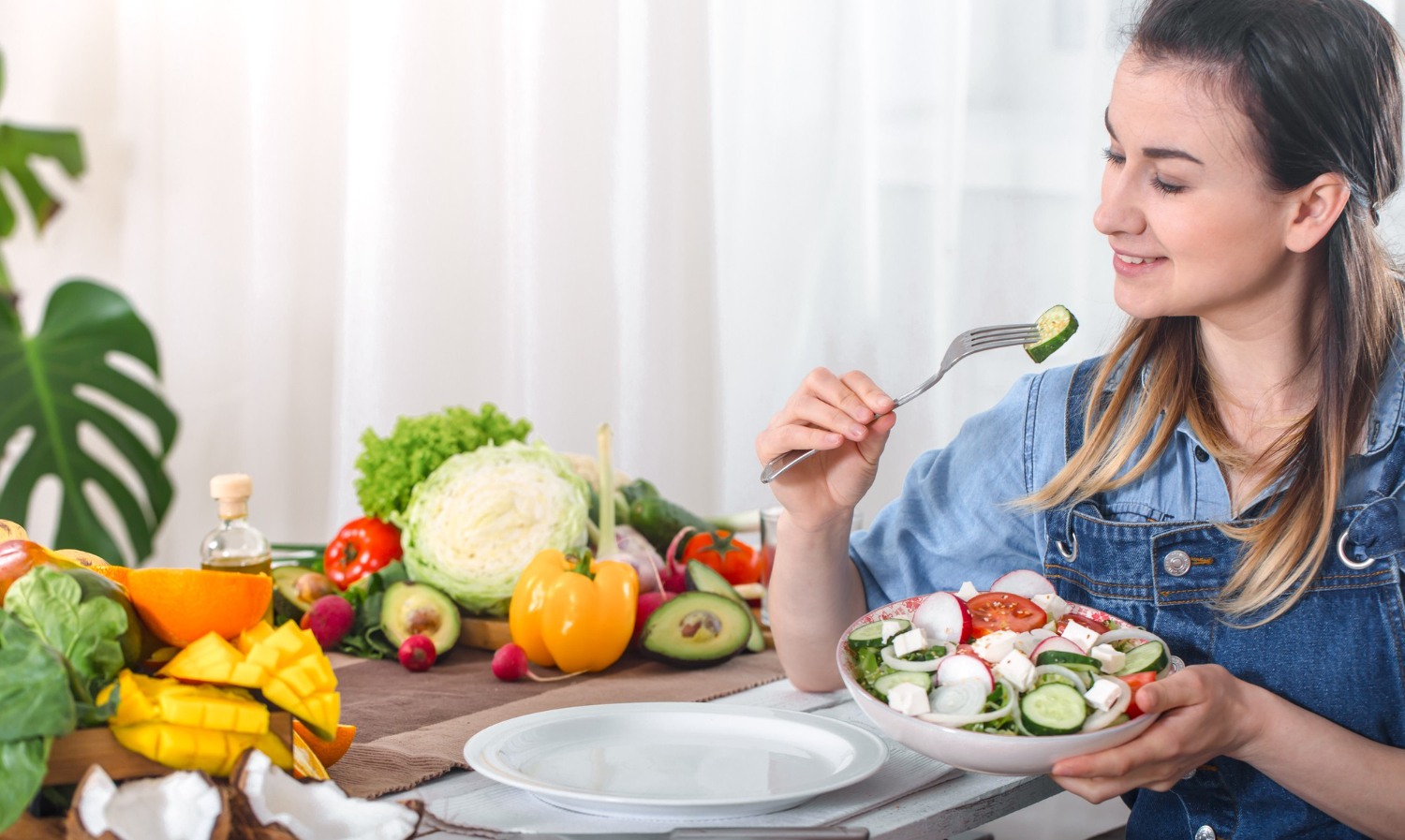
Best vegetables for weight loss are foods you can eat in virtually unlimited quantities. Non-starchy vegetables are among the most important foods in any clean eating for weight loss plan because they are low in calories, high in fiber, rich in micronutrients, and highly filling.
Top weight loss vegetables:
Leafy Greens (Spinach, Kale, Arugula, Romaine) Nearly zero calories, extremely high in vitamins and minerals. You can eat an entire bowl and consume fewer than 30 calories. Leafy greens are also rich in thylakoids compounds that research suggests slow fat digestion and increase satiety hormones.
Broccoli and Cruciferous Vegetables Broccoli, cauliflower, Brussels sprouts, and cabbage are high in fiber and protein relative to their calorie content. They also contain sulforaphane, a compound linked to improved metabolic health and reduced inflammation.
Bell Peppers One of the best sources of vitamin C (even better than oranges), which is linked to lower cortisol levels and chronically elevated cortisol is directly associated with belly fat storage.
Zucchini and Cucumber Extremely high water content, very low calorie density, and versatile in cooking. Zucchini noodles (zoodles) are a popular pasta replacement for low calorie diets.
Asparagus A natural diuretic that helps reduce water retention and bloating. Rich in folate and prebiotic fiber that feeds beneficial gut bacteria.
The Best Fruits for Weight Loss
Best fruits for weight loss are those with a low glycemic index, high fiber content, and high water content. While fruit contains natural sugar (fructose), the fiber in whole fruit significantly slows its absorption, making whole fruit a very different metabolic experience than fruit juice.
Top weight loss fruits:
Berries (Blueberries, Strawberries, Raspberries, Blackberries) Berries are among the lowest calorie, highest fiber fruits available. They are rich in anthocyanins antioxidants that research suggests may reduce fat cell formation and improve insulin sensitivity. A cup of raspberries contains 8 grams of fiber at only 64 calories.
Apples High in pectin fiber, which forms a gel in the digestive tract and slows stomach emptying significantly. Research shows eating a whole apple before a meal reduces overall calorie intake at that meal by up to 15%.
Grapefruit Grapefruit has long been associated with weight loss. Studies show compounds in grapefruit (naringenin and nootkatone) may improve insulin sensitivity and support fat metabolism. Half a grapefruit before meals has been shown in clinical studies to support greater weight loss.
Avocado (yes, it is a fruit) Rich in oleic acid and fiber, avocado is one of the most filling fruits available. Despite being calorie-dense, studies consistently show avocado eaters have lower body weights and smaller waist circumferences than non-consumers.
Kiwi High in vitamin C, low in calories (about 42 per fruit), and rich in actinidin a unique enzyme that significantly improves protein digestion and gut health.
Foods That Boost Metabolism
Foods that boost metabolism do so through thermogenesis the process of heat production during digestion or by directly influencing metabolic hormones and enzymes.
Green Tea One of the most well-researched thermogenic foods that burn calories. Green tea contains EGCG (epigallocatechin gallate) and caffeine, which together increase fat oxidation by up to 16% according to multiple clinical studies. Drinking 3–4 cups daily is associated with meaningful reductions in body fat, particularly visceral (belly) fat.
Chili Peppers and Capsaicin Capsaicin the compound that makes chili peppers hot is one of the most effective natural thermogenic agents known. It temporarily increases metabolic rate by 4–5% and fat oxidation by up to 16%. It also reduces appetite in the hours following consumption.
Coffee and Caffeine Caffeine is one of the few substances proven to mobilize fat from fat tissue and increase metabolic rate. 3–4 cups of black coffee per day is associated with significantly greater fat burning, particularly during exercise.
Apple Cider Vinegar Research suggests acetic acid in apple cider vinegar may reduce fat storage, improve insulin sensitivity, and suppress appetite. A 2009 Japanese study found participants consuming 1–2 tablespoons daily lost significantly more visceral fat over 12 weeks compared to controls.
Ginger Contains gingerols and shogaols compounds with strong anti-inflammatory and thermogenic properties. Ginger has been shown to reduce feelings of hunger and increase the thermic effect of food.
Cinnamon Stabilizes blood sugar by improving insulin sensitivity. Since blood sugar spikes trigger fat storage, cinnamon is a simple, accessible tool for keeping your metabolism in fat-burning mode rather than fat-storage mode.
Foods That Reduce Belly Fat
Foods that reduce belly fat specifically target visceral fat the dangerous fat stored around internal organs that is linked to metabolic disease, inflammation, and cardiovascular risk.
Fatty Fish (Salmon, Mackerel, Herring) Omega-3 fatty acids in fatty fish directly reduce visceral fat. A landmark 2010 study found that omega-3 supplementation combined with moderate exercise reduced belly fat significantly more than exercise alone.
Whole Grains (Oats, Brown Rice, Quinoa) A Harvard study found that people who ate 3 or more servings of whole grains daily had 10% less visceral belly fat than those who ate refined grains even when total calorie intake was similar.
Probiotic-Rich Foods (Yogurt, Kefir, Kimchi, Sauerkraut) Gut health and weight loss foods are increasingly linked in the scientific literature. Specific probiotic strains particularly Lactobacillus gasseri have been shown in multiple studies to directly reduce belly fat. A healthy gut microbiome improves insulin sensitivity, reduces inflammation, and regulates fat storage hormones.
Dark Chocolate (70%+ Cacao) Rich in flavanols that reduce cortisol and improve insulin sensitivity. Moderate dark chocolate consumption is associated with lower BMI in several population studies. The key is moderation 1–2 small squares, not a whole bar.
Anti-Inflammatory Foods and Weight Loss
Anti-inflammatory foods weight loss is a concept backed by growing scientific evidence. Chronic low-grade inflammation is now recognized as a key driver of obesity, insulin resistance, and metabolic dysfunction. Eating an anti-inflammatory diet reduces the inflammatory signals that promote fat storage particularly around the abdomen.
Top anti-inflammatory foods for weight loss:
- Turmeric curcumin is one of the most potent anti-inflammatory compounds in nature
- Fatty fish omega-3s directly suppress inflammatory cytokines
- Berries anthocyanins reduce oxidative stress and inflammation
- Extra virgin olive oil oleocanthal has anti-inflammatory effects comparable to ibuprofen at equivalent doses
- Walnuts highest plant-based omega-3 content of any nut
- Green leafy vegetables high in vitamin K and polyphenols that reduce inflammation markers
- Bone broth collagen and glycine support gut lining integrity, reducing systemic inflammation
Foods to Avoid for Weight Loss
Knowing what to eat is only half the equation. Foods to avoid for weight loss are equally important. These are the foods most likely to sabotage your calorie deficit, spike your insulin, trigger inflammation, and increase cravings.
The biggest dietary saboteurs:
Ultra-Processed Foods Products with long ingredient lists full of additives, preservatives, and flavor enhancers are engineered to override your satiety signals. Research shows ultra-processed food consumption is the single strongest dietary predictor of obesity in large population studies.
Sugary Drinks Liquid calories are the most dangerous form of excess calories because they bypass satiety mechanisms almost entirely. A single can of soda contains 150 calories and 39 grams of sugar with zero nutritional value. Fruit juices are not much better the fiber that slows sugar absorption in whole fruit is removed during juicing.
Refined Carbohydrates White bread, white pasta, pastries, and most breakfast cereals cause rapid blood sugar spikes followed by crashes which trigger hunger, cravings, and fat storage via elevated insulin.
Alcohol Alcohol contains 7 calories per gram nearly as calorie-dense as fat. It also impairs fat oxidation for up to 24 hours after consumption, suppresses willpower and food decision-making, and disrupts sleep quality, which is directly linked to weight gain through hormonal disruption.
Fast Food and Fried Foods Extraordinarily calorie-dense, high in trans fats and refined carbs, engineered for overconsumption, and low in nutritional value. A single fast food meal can contain an entire day’s worth of calories.
A Simple, Science-Based Daily Meal Framework
Here is what a day of eating built around the best foods for weight loss looks like in practice:
Breakfast High Protein + Fiber Greek yogurt with mixed berries and chia seeds, or 3 scrambled eggs with spinach and avocado on whole grain toast.
Mid-Morning Snack (if needed) An apple with a small handful of almonds, or celery with a tablespoon of natural almond butter.
Lunch Lean Protein + Vegetables + Complex Carbs Grilled salmon over a large kale salad with quinoa, cucumber, bell peppers, and olive oil dressing. Or a large chicken and vegetable stir-fry with brown rice.
Afternoon Snack (if needed) Cottage cheese with sliced cucumber, or a small handful of walnuts with a kiwi.
Dinner Lean Protein + Non-Starchy Vegetables Baked chicken breast or grilled tofu with roasted broccoli, asparagus, and a sweet potato. Or a lentil and vegetable soup with a side salad.
Drinks throughout the day: Water (aim for 2–3 liters), black coffee or green tea (1–3 cups), herbal tea in the evening.
The Bottom Line
The best foods for weight loss are not exotic superfoods or expensive supplements. They are whole, minimally processed foods that your body is evolutionarily designed to thrive on high protein foods for weight loss, fiber rich foods for fat loss, healthy fats, complex carbohydrates, and an abundance of vegetables and fruits.
The science is clear: build your diet around these foods, reduce ultra-processed food consumption, stay in a moderate calorie deficit, and you will lose weight consistently and sustainably.
There is no need for extreme restriction, elimination diets, or starvation. The most effective weight loss foods list is simply a list of real, whole, nutrient-dense foods eaten consistently, prepared simply, and enjoyed without guilt.
Start with one or two changes. Add more protein to breakfast. Replace a refined carb with a whole grain. Add a handful of leafy greens to every lunch. These small, science-backed shifts compound over time into dramatic, lasting results.

GIPHY App Key not set. Please check settings