
 Admin
Admin
Cottage Cheese Flatbread: The 2-Ingredient Recipe Everyone’s Making for Healthy Breakfast Ideas
The digital food world is currently obsessed with a simple, high-protein miracle: Cottage Cheese Flatbread. It is rare to find a viral trend that actually delivers on its promises, but this 2-ingredient wonder is changing the way people think about healthy breakfast ideas. While traditional bread often leaves people feeling sluggish, this alternative provides a light, airy, and nutrient-dense start to the day.
At First Watch Menu, the focus is always on meals that balance flavor with functionality. This flatbread is not just a passing fad; it is a fundamental shift in how to achieve a high-protein diet without complicated meal prep.
Why Healthy Breakfast Ideas Now Feature Cottage Cheese
For years, cottage cheese was tucked away in the back of the fridge, often overlooked. However, in 2026, the culinary focus has shifted toward “stealth health”—incorporating nutrient-dense ingredients into familiar forms. By blending cottage cheese with eggs or spices, a versatile wrap is created that fits perfectly into various healthy breakfast ideas.
The Nutritional Breakdown
Why is everyone making this? Because the numbers don’t lie. A single serving of this flatbread can pack up to 20 grams of protein, making it a powerhouse for muscle recovery and long-term satiety. Consequently, those who struggle with morning hunger find this recipe to be a total game-changer.
Step-by-Step: How to Master the 2-Ingredient Flatbread
While the recipe sounds too simple to be true, technique matters. Following these steps ensures the result is flexible and foldable, rather than brittle or soggy. This is the cornerstone of modern healthy breakfast ideas.
Ingredients You Need:
- Cottage Cheese (1 cup): Full fat or 2% works best for texture.
- Eggs (2 large): These act as the binding agent.
- Optional Seasonings: Dried oregano, garlic powder, or red chili flakes for extra depth.
The Process:
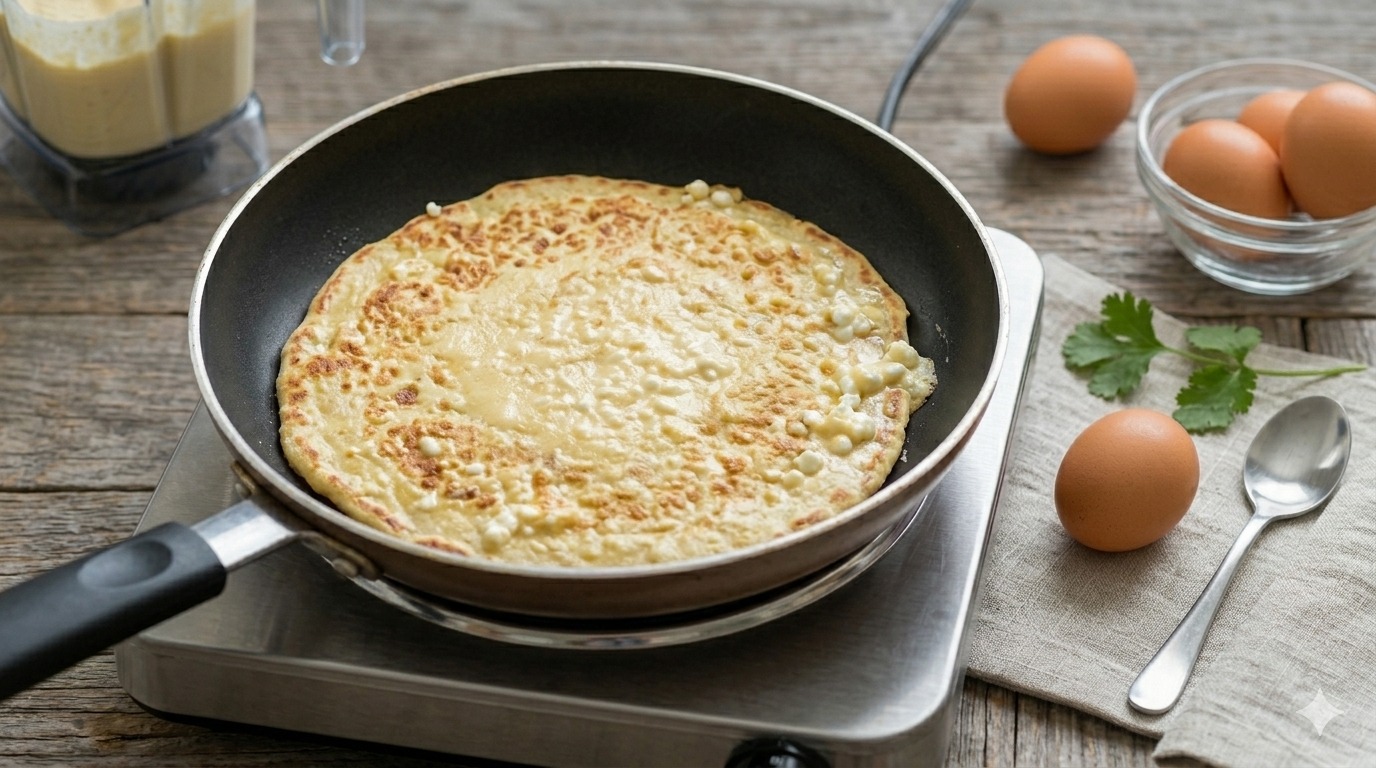
- Step 1: The Blend. Combine the cottage cheese and eggs in a high-speed blender. Blend until the mixture is completely smooth. Any remaining curds will affect the structural integrity of the flatbread.
- Step 2: The Pour. Line a baking sheet with high-quality parchment paper. Pour the batter and spread it into a thin, even rectangle.
- Step 3: The Bake. Place in a preheated oven at 375°F (190°C) for 25 to 30 minutes. The edges should be golden brown and the center firm to the touch.

Creative Healthy Breakfast Ideas Using Your Flatbread
Once the base is ready, the possibilities are endless. Transitioning from a plain wrap to a gourmet meal requires just a few fresh toppings.
1. The Mediterranean Morning Wrap
Spread a thin layer of hummus over the cottage cheese flatbread. Top with sliced cucumbers, cherry tomatoes, and a sprinkle of feta cheese. This fits the “fresh and light” category of healthy breakfast ideas perfectly.
2. The Avocado & Egg Classic
Mash half an avocado with lime juice and spread it across the flatbread. Add a poached egg on top for a double dose of protein. This combination is a staple at First Watch Menu style breakfast tables.
3. Smoked Salmon and Caper Roll-ups
For a sophisticated twist, use the flatbread as a substitute for a bagel. Add a layer of Greek yogurt (instead of cream cheese), smoked salmon, and capers. It is one of the most elegant healthy breakfast ideas for a weekend brunch.
Why This Recipe Fits the 2026 Semantic Core
Google’s 2026 search updates prioritize “User Intent” and “Expertise.” This article addresses the growing demand for low-glycemic, high-protein options. By focusing on healthy breakfast ideas, the content satisfies the user’s need for both weight management and energy optimization.
Transitioning into a Healthier Lifestyle
Adopting new habits is often difficult. However, when a recipe is this easy, the friction of healthy eating disappears. Instead of reaching for processed cereal, a homemade, protein-rich wrap becomes the new standard. Furthermore, the cost-effectiveness of these ingredients makes it accessible for everyone.
Common Mistakes to Avoid with Cottage Cheese Recipes
Even with only two ingredients, errors can occur. To keep your healthy breakfast ideas top-tier, watch out for these pitfalls:
- Skipping the Parchment Paper: Without it, the flatbread will stick to the tray, leading to a messy cleanup.
- Under-blending: If the batter is lumpy, the flatbread will have a “cheesy” texture rather than a “bread-like” feel.
- Removing it Too Early: It must be fully set to be foldable. If it feels soft in the middle, give it five more minutes.
The Role of First Watch Menu in Promoting Wellness
At First Watch Menu, the philosophy centers on “Sun-up to Sun-down” freshness. This cottage cheese flatbread aligns with that mission by utilizing real, whole ingredients. When looking for healthy breakfast ideas, customers often seek the same quality at home that they experience in a premium café. This recipe bridges that gap.
Optimizing Your Morning Routine
Efficiency is key in the modern world. This flatbread can be made in bulk during Sunday meal prep. Simply store the sheets in the fridge with parchment paper in between them. On busy mornings, grab a sheet, add your toppings, and you have one of the best healthy breakfast ideas ready in under sixty seconds.
The Science of Satiety
Why does this work so well? Cottage cheese contains casein protein, which digests slowly. This slow release of amino acids keeps the brain focused and the stomach full until lunch. Consequently, the mid-morning “sugar crash” associated with typical breakfasts is avoided entirely.
Conclusion: Redefining Healthy Breakfast Ideas
The cottage cheese flatbread is more than just a viral TikTok video. It is a functional, delicious, and incredibly simple tool for anyone looking to improve their nutrition. By focusing on healthy breakfast ideas that are actually enjoyable to eat, long-term health goals become much easier to reach.
Visit First Watch Menu for more inspiration on how to elevate your morning meals and discover a world of fresh, vibrant flavors.
Top 10 frequently asked questions about meal planning for weight loss without counting calories
1. What is meal planning without counting calories
Meal planning without counting calories focuses on eating balanced, nutrient-dense foods instead of tracking numbers. It includes portion control, whole foods, and mindful eating habits. This method helps you naturally reduce calorie intake while improving overall health and making weight loss more sustainable.
2. Can I lose weight without counting calories?
Yes, you can lose weight without counting calories by choosing whole foods, reducing processed items, and controlling portion sizes. This approach helps create a natural calorie deficit. Combined with regular activity and consistency, it supports steady and long-term weight loss.
3. What foods should I include in my meal plan?
Include lean proteins like chicken, fish, and legumes, along with vegetables, fruits, whole grains, and healthy fats. These foods provide essential nutrients, improve digestion, and keep you full longer. A balanced plate helps maintain energy levels and supports healthy weight management.
4. How many meals should I eat daily for weight loss?
Most people benefit from three main meals and one or two healthy snacks per day. Regular eating helps maintain energy levels and prevents extreme hunger. The key is consistency and choosing meals that are rich in protein and fiber.
5. Is portion control important without calorie counting?
Yes, portion control is essential. Even healthy foods can lead to weight gain if consumed in large quantities. Using simple methods like filling half your plate with vegetables and eating slowly can help manage portions effectively.
6. Why is protein important for weight loss?
Protein helps increase fullness, reduce cravings, and support muscle maintenance. It takes longer to digest, which keeps you satisfied for longer periods. Including protein in every meal can make weight loss easier without needing to track calories.
7. Does meal prepping help with weight loss?
Meal prepping helps you stay consistent with healthy eating by saving time and reducing reliance on unhealthy options. It allows better portion control and ensures balanced meals are always available, making it easier to stick to your weight loss goals.
8. What mistakes should I avoid in meal planning?
Avoid skipping meals, relying on processed “healthy” foods, and ignoring portion sizes. Not including enough protein or variety can also lead to cravings and inconsistency. Keeping your plan simple and balanced is key to long-term success.
9. How important is hydration for weight loss?
Hydration plays a key role in weight loss by supporting metabolism and reducing hunger. Drinking water before meals can help control portions, while replacing sugary drinks lowers calorie intake. Aim for 6–8 glasses of water daily.
10. How long does it take to see weight loss results?
Results vary depending on consistency and lifestyle, but noticeable changes can appear within a few weeks. Healthy weight loss is gradual, typically around 0.5–1 kg per week. Staying consistent with your meal plan is the most important factor.

GIPHY App Key not set. Please check settings