
 Admin
Admin
Introduction
Some dishes take years to master. The Perfect omelet, however, rewards you the moment you understand its secrets. In just 10 minutes, using only a handful of ingredients and one good pan, you can produce a perfectly cooked, silky, golden omelet that rivals anything a professional chef sets in front of you at a restaurant. Moreover, once you master the fundamental technique, the omelet becomes one of the most versatile, satisfying, and endlessly customizable dishes in your entire cooking repertoire.
This guide covers everything you need to know about how to make the perfect omelet in 10 minutes. From selecting the right eggs and pan to mastering the folding technique and choosing the best fillings, this is the most complete, practical, and honest omelet tutorial you will find anywhere online. Whether you are a complete beginner who has never cooked eggs beyond scrambling them or an experienced home cook who wants to finally nail the French technique, this guide gives you the exact knowledge and confidence you need.
1. What makes a perfect omelet?
Before you crack a single egg, understanding what separates a perfect omelet from a mediocre one sets you up for success from the very first attempt.
1.1 The three qualities of a great omelet
A truly perfect omelet demonstrates three non-negotiable qualities. First, it has a uniformly set exterior with no browned or rubbery patches. Second, the interior remains tender, custardy, and just barely cooked through at the center. Third, the folded shape holds cleanly without tearing, cracking, or collapsing onto the plate.
Achieving all three qualities simultaneously requires the right technique, the right heat level, and the right pan. Fortunately, all three are completely learnable within a single cooking session when you follow the correct approach.
1.2 French omelet versus American omelet: What is the difference?
Two major omelet styles exist, and understanding the difference helps you decide which one you want to master first.
The French omelet is pale yellow, silky smooth on the outside, and almost creamy inside. It contains no browning whatsoever and folds into a neat, elegant cylinder or oval shape. Achieving a French omelet requires constant, vigorous movement of the pan and eggs simultaneously over relatively low heat. Consequently, it is technically more demanding but produces a more refined, restaurant-quality result.
The American omelet, on the other hand, allows slight browning on the bottom, cooks more slowly over medium heat, and typically opens flat before folding once over a filling. It is more forgiving, more filling-friendly, and better suited to beginners who are still developing their egg-handling confidence.
This guide covers both styles in detail so you can choose the approach that suits your skill level and preference.
1.3 Why omelets fail and what you can do about it
Most failed omelets trace back to one of three problems. Overcooking on excessive heat produces rubbery, dried-out eggs with unpleasant browning. Using too many eggs for the pan size results in uneven cooking and difficulty folding. Adding too many wet fillings releases moisture that turns the omelet soggy. Understanding these three failure points in advance means you avoid them entirely rather than troubleshooting after the fact.
2. Ingredients for the perfect omelet
The perfect omelet requires very few ingredients. In fact, the simplicity of the ingredient list is precisely what makes technique so critical. With nowhere to hide behind complex flavors, every element must be exactly right.
2.1 Eggs: The foundation of everything
Use large, fresh, high-quality eggs for the best results. Fresh eggs have tighter whites and more vibrant yolks, which produces a richer flavor and more beautiful color in the final dish. For a standard two-person omelet, three eggs per person deliver the ideal balance of filling and foldability. A two-egg omelet works for a lighter meal, while a four-egg omelet becomes difficult to fold cleanly in a standard pan.
Whenever possible, choose eggs from free-range or pasture-raised hens. These eggs consistently deliver more flavorful, deeply colored yolks compared to conventionally produced eggs, and the difference in taste is noticeable even in a simple preparation like an omelet.
2.2 Fat: Butter versus oil
Butter is the traditional and superior choice for omelet cooking. Specifically, unsalted butter gives you complete control over the seasoning while delivering rich flavor and a beautiful, delicate golden color to the exterior of the omelet. Use approximately one tablespoon of butter per three-egg omelet.
Olive oil works as a substitute and produces a slightly firmer, more rustic result than butter. Some cooks use a half-and-half combination of butter and a neutral oil like avocado or sunflower oil to raise the smoke point slightly while retaining the butter flavor. Whatever fat you choose, use enough to coat the entire pan surface generously before the eggs touch the surface.
2.3 Seasoning
Season your eggs before they go into the pan rather than after. Salt draws moisture from the eggs if left in contact for too long, so season immediately before cooking rather than mixing the salt into the eggs in advance. A small pinch of fine sea salt and a crack of freshly ground black pepper is all you need for a classically seasoned omelet. Additionally, a small splash of water or milk in the egg mixture creates a slightly more tender, airy texture by introducing steam during cooking.
2.4 Optional enrichments
Some cooks whisk a teaspoon of crème fraîche, sour cream, or heavy cream into the egg mixture for additional richness and an even softer texture. Furthermore, a small knob of cold butter whisked into the beaten eggs just before cooking creates an exceptionally silky result in the French style. These additions are optional but genuinely elevate the outcome when you want to impress.
3. Equipment you need for a perfect omelet
The right equipment makes a significant difference in omelet cooking. You do not need expensive tools, but you do need the right ones.
3.1 Choosing the right pan
Your pan is the single most important piece of equipment in omelet making. Use an 8-inch non-stick skillet for a two to three-egg omelet or a 10-inch non-stick skillet for a three to four-egg omelet. A well-seasoned carbon steel or stainless steel pan also works beautifully once you develop sufficient technique, but a quality non-stick surface is the most forgiving choice while you are building confidence.
Avoid using pans that are scratched, warped, or heavily worn since these create uneven heat distribution and sticking points that destroy a delicate omelet. If your non-stick pan is showing significant wear, replacing it before attempting the perfect omelet is worth the investment.
3.2 The right spatula
Use a thin, flexible silicone spatula for folding your omelet. A thin edge allows you to slide underneath the egg cleanly without tearing, while silicone protects your non-stick surface from scratches. Avoid metal spatulas on non-stick pans entirely, as they damage the coating and create sticking problems over time.
3.3 A whisk or fork
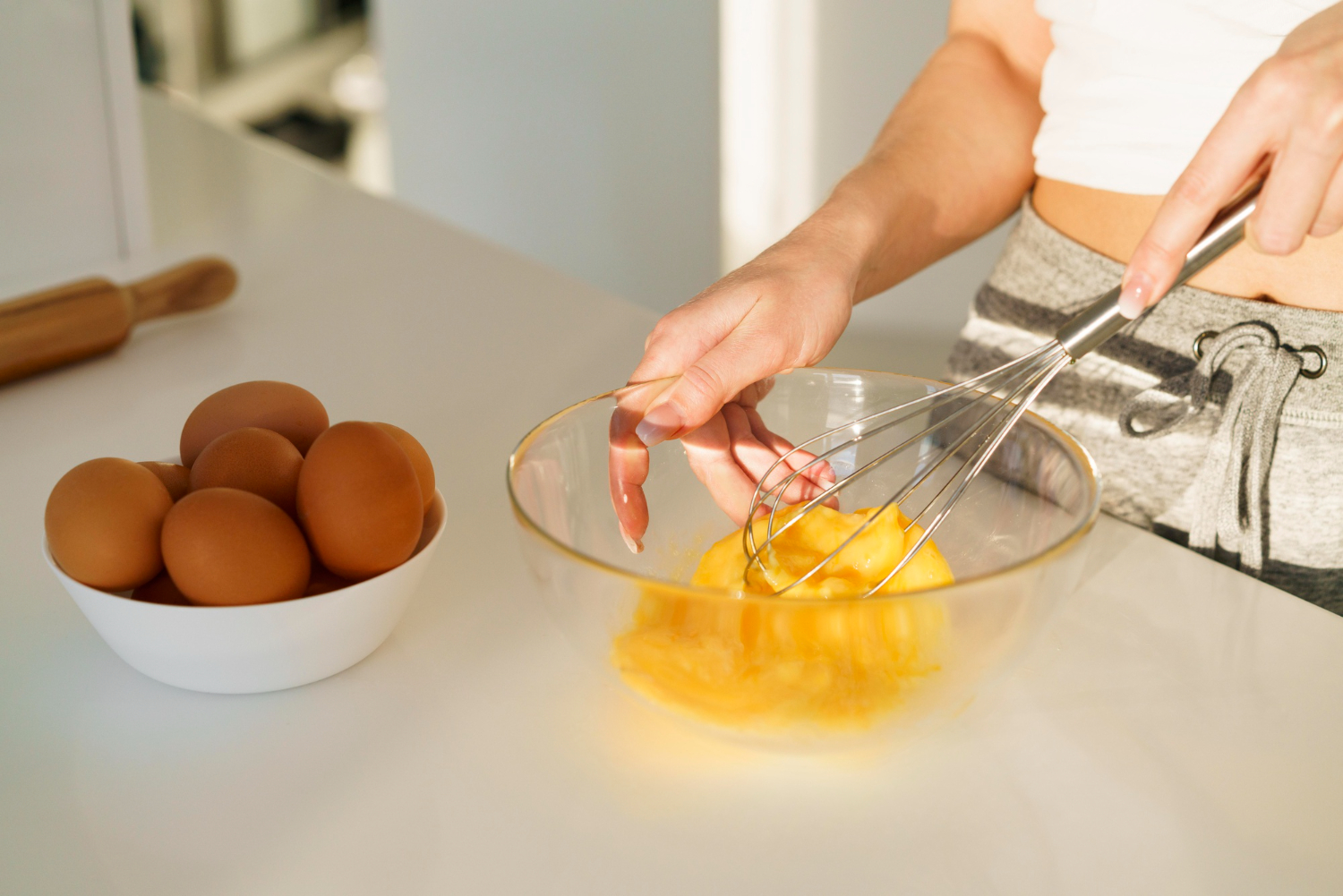
Whisk your eggs thoroughly before cooking rather than beating them lightly. A proper whisking breaks down the egg whites and yolks completely, creating a uniform, homogeneous mixture that cooks evenly. A standard balloon whisk works best, but a fork also produces excellent results if you whisk vigorously for at least 30 to 45 seconds. Under-beaten eggs produce an omelet with visible white streaks and uneven texture.
3.4 A mixing bowl and plate
Use a medium mixing bowl for beating your eggs and pre-mixing any additions. Additionally, warm your serving plate before plating by running it under hot water or placing it briefly in a low oven. A warm plate prevents the omelet from cooling and stiffening the moment it leaves the pan, which keeps the texture at its ideal point when it reaches the table.
4. Step-by-step guide: How to make the perfect American omelet in 10 minutes
The American-style omelet is the ideal starting point for most home cooks. Its slightly more relaxed technique and tolerance for brief browning makes it accessible without compromising on flavor or satisfaction.
4.1 Prepare your filling first (minutes 1 to 3)
Always prepare and cook your fillings completely before you start the eggs. This rule is absolute. Omelets cook fast, and once your eggs hit the pan you have no time to simultaneously cook vegetables, meat, or mushrooms. Therefore, sauté any vegetables until tender, warm any pre-cooked proteins, and grate or crumble any cheese before you even crack an egg.
Keep your filling quantity modest. Two to three tablespoons of filling for a three-egg omelet is ideal. Overfilling creates structural weakness and makes clean folding nearly impossible. Furthermore, pat any watery vegetables like mushrooms, spinach, or zucchini completely dry before adding them to the omelet to prevent a soggy result.
4.2 Beat your eggs (minute 3 to 4)
Crack three large eggs into your mixing bowl. Add a small pinch of fine sea salt, a crack of black pepper, and one tablespoon of water or milk if desired. Whisk vigorously for 30 to 45 seconds until the mixture is completely uniform in color and slightly frothy. The froth indicates sufficient air incorporation, which contributes to a lighter texture in the finished omelet.
4.3 Heat your pan and butter (minute 4 to 5)
Place your 8-inch or 10-inch non-stick skillet over medium heat. Allow the pan to heat for approximately 60 seconds before adding the butter. When you add your tablespoon of butter, it should melt quickly, foam up, and then begin to subside. The moment the foam subsides and the butter turns a very light golden color, your pan has reached the perfect temperature for egg cooking.
If the butter turns brown immediately or smells nutty, your pan is too hot. Remove it from the heat briefly, allow it to cool slightly, wipe it clean, and start again with fresh butter. Cooking eggs in overly hot butter is one of the most common omelet mistakes at every skill level.
4.4 Add the eggs and begin cooking (minutes 5 to 7)
Pour your beaten eggs into the center of the pan in one smooth, confident motion. Allow them to sit undisturbed for approximately 10 seconds while the edges begin to set. Subsequently, use your spatula to gently push the set edges toward the center while tilting the pan to allow the liquid egg on top to flow toward the edges. Repeat this pushing-and-tilting motion around the entire perimeter of the pan every 10 to 15 seconds.
Continue this process until the eggs are mostly set but the very top surface still appears slightly glossy and soft. At this point, the residual heat from the pan will finish cooking the center without requiring any additional time over direct heat.
4.5 Add your filling and fold (minutes 7 to 8)
Once the surface is mostly set but still slightly glossy, add your filling to one half of the omelet only. Distribute it evenly across that half, leaving a clear half of plain egg on the other side. Then use your spatula to fold the plain half over the filled half, creating a semi-circle shape.
Press gently on the top of the folded omelet with the back of your spatula to help it hold its shape. Allow it to sit on the heat for an additional 15 to 20 seconds to seal the fold and finish cooking the interior to your desired doneness.
4.6 Plate and serve immediately (minutes 8 to 10)
Slide the omelet immediately onto your warmed plate. The omelet should release cleanly from a properly heated, well-buttered non-stick pan with no resistance. Garnish with fresh herbs if desired, add a crack of black pepper, and serve immediately. Omelets deteriorate quickly as they cool, so eat them straight away for the best texture and flavor.
5. Step-by-step guide: How to make the perfect French omelet in 10 minutes
The French omelet demands more focus but rewards you with an extraordinarily elegant result. Once you master it, no other egg dish feels quite as satisfying to execute perfectly.
5.1 The key difference in French omelet technique
The French omelet relies on constant motion rather than patient waiting. Instead of letting the eggs sit and set progressively, you move the pan and eggs simultaneously and continuously from the moment the eggs hit the pan until you fold. This constant movement creates thousands of tiny, fine curds that produce the silky, custardy interior texture that defines a classic French omelet.
5.2 Setting up for French omelet success
Use a slightly smaller pan for the French style. An 8-inch non-stick skillet works best for three eggs. Additionally, use slightly less heat than you would for an American omelet. Medium-low heat gives you more control and prevents the exterior from browning before the interior reaches the right texture.
Beat your eggs very thoroughly, whisking for a full 45 to 60 seconds until completely smooth and homogeneous. For a French omelet, do not add water or milk. Instead, add a tiny pinch of salt only, since simplicity serves the technique best.
5.3 The cooking motion for a French omelet
Add your butter to the heated pan and allow it to melt and foam. Pour in your beaten eggs the moment the foam subsides. Immediately begin shaking the pan back and forth over the heat with one hand while simultaneously stirring the eggs in a rapid circular motion with a fork or spatula held in your other hand.
Maintain this combined shaking-and-stirring motion continuously. You are simultaneously moving the liquid egg over the heat while preventing any one area from staying in contact with the pan surface long enough to brown. Furthermore, keep the motion going even when it feels like the eggs are not progressing, since the constant movement is building the silky curd structure you are aiming for.
5.4 Finishing and rolling the French omelet
When the eggs reach a consistency similar to very soft scrambled eggs, with no visible liquid remaining but a completely smooth, custardy surface, stop stirring and allow the pan to rest on the heat for five seconds. This brief rest sets a very thin, pale exterior layer.
Tilt the pan at a 45-degree angle and use your fork or spatula to roll the omelet toward the edge of the pan, folding it into a cylinder shape rather than a semi-circle. Then tip the pan over your warmed plate so the omelet rolls seam-side down onto the plate. The result should be a smooth, pale yellow cylinder with no visible browning anywhere on its surface.
6. Best omelet fillings and flavor combinations
The omelet’s versatility is one of its greatest strengths. Once you master the basic technique, an almost infinite range of filling combinations keeps this dish fresh and exciting every single morning, noon, or night.
6.1 Classic filling combinations
The classic cheese omelet: Finely grated Gruyère, cheddar, or Comté melted into a simple three-egg omelet remains one of the most satisfying combinations in all of cooking. Use approximately three tablespoons of freshly grated cheese added just before folding. The residual heat from the eggs melts the cheese beautifully without requiring any additional cooking.
The herbs and cheese omelet: Adding fresh herbs elevates any omelet immediately. Finely chopped fresh chives, flat-leaf parsley, tarragon, and chervil all work beautifully, either individually or combined in the classic French fines herbes mixture. Add them to the egg mixture before cooking for integrated flavor, or scatter them over the filling just before folding for a fresh, vibrant garnish.
The mushroom and thyme omelet: Sauté sliced cremini or shiitake mushrooms in butter with fresh thyme until deeply golden and completely dry. Season generously and use as a rich, savory filling. This combination works particularly well in both the American and French style and suits a dinner omelet as much as a breakfast one.
6.2 Vegetable fillings
Roasted red peppers, caramelized onions, wilted spinach, blanched asparagus tips, diced zucchini, and sun-dried tomatoes all make excellent omelet fillings. However, always cook and dry vegetables thoroughly before adding them to the omelet. Raw or underprepared vegetables release moisture during cooking, making the omelet soggy and preventing the eggs from holding their structure properly.
6.3 Protein fillings
Diced smoked salmon with crème fraîche and fresh dill creates an elegant brunch omelet with beautiful flavor balance. Crispy bacon lardons or pancetta add a satisfying salty crunch. Pulled rotisserie chicken with a little Dijon mustard and tarragon makes a remarkably quick and satisfying dinner omelet. Diced cooked shrimp with a small amount of garlic butter creates a luxurious result with minimal effort.
6.4 International omelet variations
The Spanish tortilla, while technically a different dish, draws inspiration from the omelet tradition and features layers of potato and onion cooked slowly in olive oil. The Japanese tamagoyaki uses a rolled egg technique similar to the French style but incorporates soy sauce, mirin, and dashi for a sweet, savory, distinctly umami result. The Italian frittata starts on the stovetop but finishes in the oven, creating a thick, open-faced egg cake packed with vegetables or cheese.
7. Common omelet mistakes and how to fix them
Even experienced cooks make recurring omelet mistakes. Identifying and correcting these common errors dramatically improves your results from one cooking session to the next.
7.1 Using too much heat
Excessive heat is the number one omelet killer. High heat causes the eggs to set almost instantly upon hitting the pan, creating a rubbery exterior with an overcooked interior before you have any chance to move or fold them. Furthermore, high heat causes the butter to brown too quickly, adding a bitter note to the finished dish. Always use medium heat for an American omelet and medium-low heat for a French omelet.
7.2 Under-beating the eggs
Insufficient beating leaves the egg whites and yolks incompletely combined, producing an omelet with streaky whites and uneven texture. Whisk your eggs vigorously for at least 30 to 45 seconds before cooking. Additionally, make sure your whisking reaches the bottom of the bowl so no unbeaten white remains pooled beneath the surface of the mixture.
7.3 Overcrowding the filling
Adding too much filling is a beginner mistake that experienced cooks occasionally repeat when enthusiasm overrules technique. A generous but disciplined two to three tablespoons of filling per three-egg omelet creates the right balance. More than that tears the egg structure during folding and creates a bulky, difficult-to-eat result.
7.4 Waiting too long to fold
Folding an overcooked omelet produces cracking, tearing, and uneven results. The eggs should still look slightly glossy and soft on the surface when you add your filling and begin folding. The residual heat within the folded omelet finishes cooking the interior perfectly during the brief time it remains in the pan and rests on the plate. Trusting this residual heat is a fundamental skill in omelet cooking.
7.5 Using a cold pan or cold butter
Adding eggs to an insufficiently heated pan results in the eggs sticking, spreading unevenly, and taking too long to set. Always allow your pan to heat for at least one full minute before adding butter, and allow the butter to melt, foam, and subside before adding the eggs. This sequence ensures the pan reaches the correct temperature throughout its entire surface rather than just in the center above the flame.
8. Nutritional benefits of omelets
Beyond their culinary appeal, omelets deliver exceptional nutritional value in a remarkably fast and efficient meal format.
8.1 Eggs as a nutritional powerhouse
Eggs rank among the most nutritionally complete foods available. A single large egg provides approximately 6 grams of high-quality complete protein containing all nine essential amino acids. Additionally, eggs supply vitamins B12, D, A, E, and K2, along with minerals including selenium, phosphorus, and choline. Choline, in particular, plays a critical role in brain health and liver function, and eggs represent one of the richest dietary sources of this often-overlooked nutrient.
8.2 Omelet nutrition by filling choice
The nutritional profile of your omelet shifts significantly based on the fillings you choose. Vegetable-filled omelets add fiber, vitamins, and antioxidants without significantly increasing calorie content. Cheese adds calcium, protein, and healthy fats. Protein-based fillings such as smoked salmon add omega-3 fatty acids and additional high-quality protein. Consequently, a thoughtfully filled omelet can function as a nutritionally complete meal covering protein, healthy fats, vitamins, and minerals in a single fast preparation.
8.3 Omelets as a high-protein, low-carbohydrate meal
For anyone following a high-protein or low-carbohydrate eating pattern, a three-egg omelet with vegetables and cheese delivers approximately 20 to 25 grams of protein and very few carbohydrates. This macronutrient profile makes the omelet one of the most practically useful dishes for anyone managing their protein intake, blood sugar levels, or overall body composition through dietary choices.
9. Advanced omelet techniques and tips from professional chefs
Once you consistently produce good basic omelets, several professional-level techniques can elevate your results further.
9.1 The butter baste technique
Just before folding your omelet, add a small, cold knob of butter to the edge of the pan and allow it to melt rapidly. Immediately tilt the pan and use a spoon to baste the top surface of the omelet with the foaming butter for five to ten seconds. This technique adds an extra layer of richness, creates a beautiful sheen on the surface, and slightly slows the cooking of the exposed top surface, keeping it silky.
9.2 Tempering your eggs before cooking
Allow your eggs to reach room temperature before whisking and cooking them. Cold eggs from the refrigerator take longer to cook evenly, increasing the risk of overcooking the exterior while the interior remains underdone. Taking your eggs out of the refrigerator 15 minutes before cooking makes a genuinely noticeable difference in the final texture, particularly for the French style.
9.3 Using a combination of whole eggs and egg whites
Some professional cooks use a mixture of two whole eggs and one additional egg white per omelet. This combination delivers a slightly lighter, more tender structure while maintaining the richness of whole egg yolks. Furthermore, the additional egg white provides extra protein without significantly increasing calorie content, which suits anyone optimizing the nutritional profile of their omelet.
9.4 Resting the omelet before serving
Allow your finished omelet to rest on the warm plate for 30 to 60 seconds before eating. This brief rest allows the residual internal heat to equalize throughout the entire omelet, ensuring the center reaches the same gentle doneness as the exterior without continuing to cook on the hot pan. Additionally, the rest period allows any steam to escape, which prevents a soggy bottom where the omelet contacts the plate.
10. Frequently asked questions about making the perfect omelet
FAQ 1: How many eggs should I use for one omelet?
Three large eggs produce the ideal omelet for one person in a standard 8 to 10-inch pan. Two eggs work for a lighter meal or a smaller pan. Four eggs make folding significantly more difficult and create an overly thick result unless you use a larger pan. For the best balance of texture, flavor, and foldability, three large eggs remain the most widely recommended quantity among professional chefs and experienced home cooks alike.
FAQ 2: Should I add milk or water to my omelet eggs?
Both additions slightly change the texture of the final omelet, but neither is strictly necessary. Adding one tablespoon of water creates steam during cooking, which produces a slightly lighter, more tender texture. Adding one tablespoon of milk creates a richer, creamier result. For a traditional French omelet, most professional chefs recommend using neither, preferring the pure egg flavor and natural silkiness that the rolling technique alone creates. Ultimately, personal preference guides this decision.
FAQ 3: Why does my omelet always stick to the pan?
Sticking usually results from one of three causes. An insufficiently heated pan causes eggs to grab the surface before the fat creates a proper barrier. Insufficient butter or oil leaves dry patches where the egg contacts raw metal. A scratched or worn non-stick surface loses its release properties over time and needs replacement. To prevent sticking, always heat your pan thoroughly before adding butter, use enough butter to coat the entire surface, and invest in a quality non-stick pan in good condition.
FAQ 4: How do I keep my omelet from browning on the bottom?
Keep your heat at medium or medium-low throughout the entire cooking process. Furthermore, work relatively quickly once the eggs hit the pan, since prolonged contact with any level of heat eventually causes browning. The pushing-and-tilting technique for American omelets and the constant motion technique for French omelets both serve the additional purpose of preventing any single area of the egg from remaining stationary long enough to brown.
FAQ 5: Can I make an omelet without butter?
Yes. Olive oil, avocado oil, ghee, and coconut oil all work as butter substitutes for omelet cooking. However, butter delivers the best flavor and the most reliable non-stick performance at moderate temperatures. If you need a dairy-free option, a high-quality extra virgin olive oil produces excellent results with a slightly more savory, less rich flavor profile. Use the same quantity as you would butter and heat it to the correct temperature before adding your eggs.
FAQ 6: What is the best cheese for an omelet?
Gruyère consistently ranks as the top choice among professional chefs for its exceptional melting quality, nutty richness, and perfect balance of saltiness. Sharp cheddar delivers a bolder, more familiar flavor that suits American-style omelets particularly well. Brie or Camembert create an incredibly luxurious, creamy result when added just before folding. Soft goat cheese adds a tangy brightness that pairs beautifully with roasted vegetables or fresh herbs. Ultimately, the best cheese for your omelet is the one that complements your chosen fillings most harmoniously.
FAQ 7: How do I make an omelet fluffy?
Three techniques produce a noticeably fluffier omelet. First, whisk your eggs very thoroughly to incorporate maximum air before cooking. Second, separate your eggs and whisk the whites to soft peaks before folding them back into the beaten yolks, which creates an exceptionally light, soufflé-like texture. Third, add a small splash of sparkling water to your beaten eggs just before cooking, which introduces additional air bubbles that expand during cooking and lighten the overall structure.
FAQ 8: Can I make an omelet ahead of time?
Omelets taste best immediately after cooking and do not hold particularly well once made. However, if you need to prepare omelets for a group, you can hold them briefly by wrapping each finished omelet loosely in foil and keeping them in a very low oven (around 200°F / 93°C) for no more than 10 to 15 minutes. Beyond this window, the texture deteriorates significantly. For meal prep purposes, preparing all fillings in advance and cooking the omelets fresh to order remains the superior approach.
FAQ 9: What herbs go best in an omelet?
Fresh herbs deliver far superior results to dried herbs in omelet cooking. The classic French fines herbes blend combines equal parts fresh chives, flat-leaf parsley, chervil, and tarragon and represents the definitive omelet herb combination. Fresh chives alone deliver a clean, mild onion flavor that suits virtually any omelet. Fresh dill works beautifully with smoked salmon or cream cheese fillings. Fresh basil adds a bright, Italian character that pairs well with tomatoes and mozzarella. Always add delicate fresh herbs at the very end of cooking rather than incorporating them into the raw egg mixture, which preserves their color, fragrance, and fresh flavor.
FAQ 10: How do I make a healthier omelet?
Making a healthier omelet involves a few simple adjustments without sacrificing flavor or satisfaction. Use one whole egg plus two egg whites per serving to reduce cholesterol and fat while maintaining protein content. Load your filling with vegetables such as spinach, bell peppers, mushrooms, tomatoes, and onions to add fiber, vitamins, and volume. Choose lower-fat cheese options like ricotta or reduced-fat feta rather than full-fat aged cheeses. Use a light spray of cooking oil instead of a full tablespoon of butter, and season with fresh herbs instead of salt-heavy sauces or condiments.
Conclusion
Making the perfect omelet in 10 minutes is one of the most rewarding cooking skills you can develop, not because it is complicated, but precisely because it is so simple. With just three eggs, a tablespoon of butter, a well-heated pan, and the technique this guide provides, you can produce a dish that is as elegant as anything a professional kitchen serves.
The key takeaways are straightforward. Use fresh, high-quality eggs. Heat your pan and butter correctly before the eggs ever touch the surface. Work with medium heat and do not rush. Keep your fillings modest and fully prepared before you start cooking. Fold at the right moment, when the surface is still slightly glossy and soft. Serve immediately on a warm plate.
Furthermore, practice makes this process genuinely effortless. Your first few omelets might not look perfect, and that is completely normal. However, each one teaches you something specific about your pan, your heat source, and your own movement speed. By your fifth or sixth attempt, the motions become natural, the timing becomes intuitive, and the results become consistently excellent.
The perfect omelet is waiting for you in your own kitchen. All it takes is 10 minutes, three eggs, and the willingness to try.

GIPHY App Key not set. Please check settings