 Admin
Admin
Introduction
Do you want to build strong muscles? Are you also following a vegan diet? Well, good news, you can absolutely do both! Many people think that you need meat to grow muscles. But that is not true at all. In fact, there are so many amazing vegan foods for muscle growth that can help you get strong, lean, and healthy.
In this article, we will talk about the best high-protein vegan foods for muscle growth. We will also share tips, a helpful comparison table, and answers to your top questions. So, whether you are a beginner or already working out, keep reading. This guide is easy to understand and will help you make better food choices every single day.
Why Does Protein Matter for Muscle Growth?
First of all, let us understand why protein is so important. When you exercise, your muscles get tiny tears inside them. After your workout, your body repairs those tears. As a result, your muscles grow bigger and stronger. However, your body needs protein to do that repair work.
Therefore, eating enough protein every day is very important especially if you want to build muscle. The good news is that many plant-based foods are loaded with protein. So, you do not have to eat meat to reach your protein goals.
Most fitness experts suggest eating around 1.6 to 2.2 grams of protein per kilogram of body weight. For example, if you weigh 60 kg, you need around 96 to 132 grams of protein per day. Let’s see which vegan foods can help you hit that number.
Quick Comparison: Top Vegan Foods for Muscle (Protein Table)
Below is a simple table showing the best vegan foods for muscle, how much protein they have, and when to eat them. Moreover, you can use this as a shopping guide too!
| Food | Serving Size | Protein (g) | Calories |
Best For |
|
Tempeh |
100g | 19g | 193 kcal |
Post-workout |
|
Edamame |
1 cup (155g) | 17g | 188 kcal |
Snacking |
|
Lentils |
1 cup cooked | 18g | 230 kcal |
Meals & soups |
|
Chickpeas |
1 cup cooked | 15g | 269 kcal |
Salads & curries |
|
Black Beans |
1 cup cooked | 15g | 227 kcal |
Rice bowls |
|
Tofu (firm) |
100g | 8g | 76 kcal |
Stir fry |
|
Seitan |
100g | 25g | 143 kcal |
Meat substitute |
|
Hemp Seeds |
3 tbsp | 10g | 166 kcal |
Smoothies |
|
Nutritional Yeast |
2 tbsp | 8g | 45 kcal |
Topping/sauces |
|
Quinoa |
1 cup cooked | 8g | 222 kcal |
Grain base |
1. Legumes The Muscle-Building Kings
Lentils
Lentils are one of the best vegan foods for muscle because they are cheap, easy to cook, and full of protein. One cup of cooked lentils gives you around 18 grams of protein. They are also rich in iron and fiber. Therefore, they keep your energy levels high during workouts.
Furthermore, lentils cook fast in about 20 to 30 minutes. You can add them to soups, salads, or even tacos. Red lentils are great for curry, while green lentils work well in salads.
Chickpeas
Chickpeas are another amazing choice. One cup gives you about 15 grams of protein. Besides that, they are packed with complex carbs. These carbs give your muscles energy before and after a workout. You can roast them for a crunchy snack, blend them into hummus, or add them to a stir fry.
Black Beans and Kidney Beans
Both black beans and kidney beans are excellent vegan bodybuilding foods. One cup of cooked black beans has about 15 grams of protein. In addition, they contain magnesium, which helps with muscle recovery. Try them in rice bowls, burritos, or chili.
2. Soy-Based Foods Complete Protein Powerhouses
Soy is one of the few plants that gives you a complete protein. That means it has all nine essential amino acids the building blocks your muscles need. So, soy-based foods are especially great for people who follow a vegan diet for muscle growth.
Tempeh
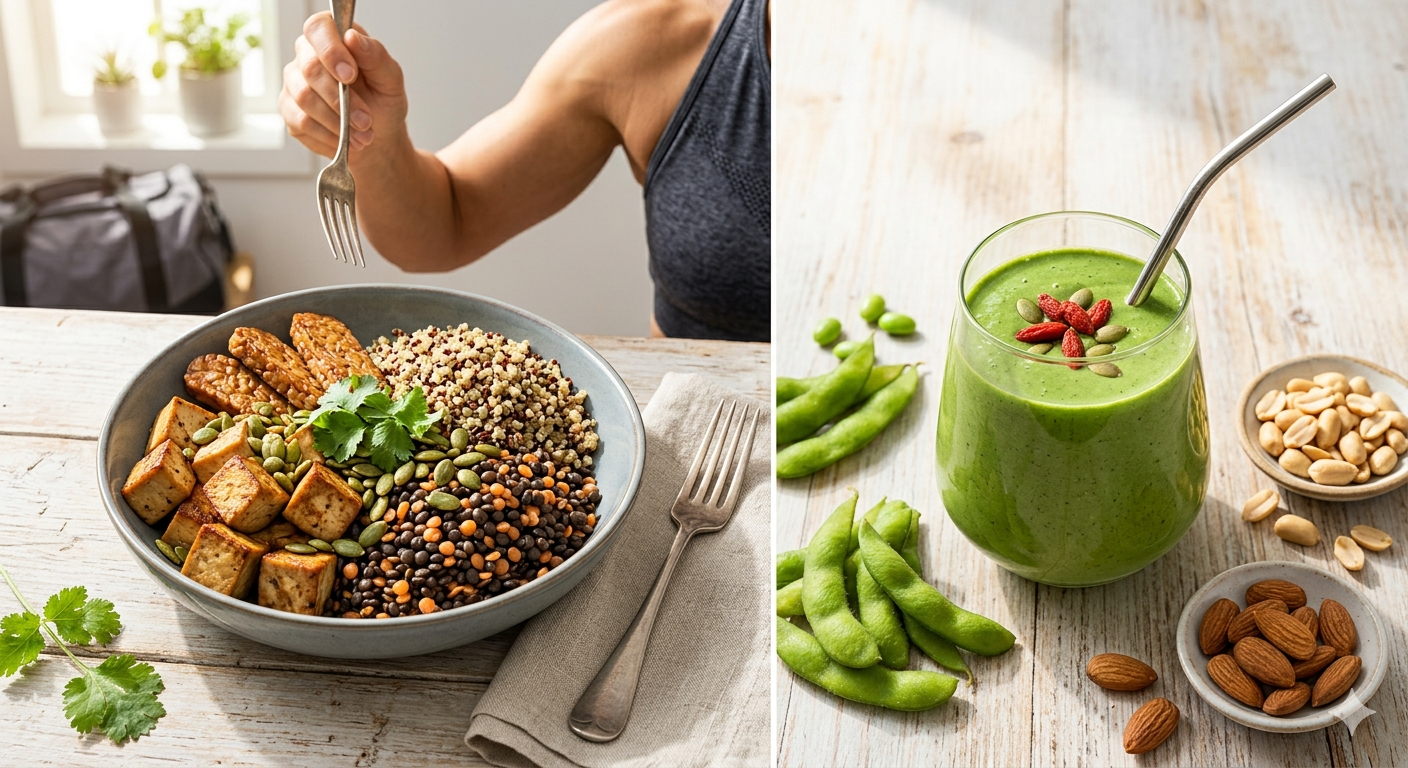
Tempeh is fermented soy, and it is one of the best vegan protein sources out there. One hundred grams of tempeh gives you about 19 grams of protein. It is also rich in probiotics, which help with digestion. Moreover, it has a chewy texture that makes it feel like meat. You can fry it, grill it, or crumble it into sauces.
Tofu (Firm)
Tofu is very popular in vegan bodybuilding foods. Firm tofu has about 8 grams of protein per 100 grams. However, you can easily eat a larger portion. Tofu absorbs the flavor of whatever you cook it with. Therefore, you can make it spicy, savory, or even sweet. Try it in stir fry, scrambles, or smoothies!
Edamame
Edamame is young soybeans. One cup gives you a whopping 17 grams of protein. In addition, they are full of vitamins like folate and vitamin K. You can steam them and eat them as a snack. They are also great in salads and grain bowls. Edamame is a fantastic post-workout snack for any athlete.
3. Seitan The Highest-Protein Vegan Food
Seitan is made from wheat gluten. Out of all vegan foods for muscle, seitan has one of the highest amounts of protein per serving about 25 grams per 100 grams. That is more than most meats! Furthermore, it is very chewy and filling.
However, if you have gluten sensitivity or celiac disease, you should avoid seitan. But if you can eat gluten, it is an excellent addition to your high protein vegan diet. Use it in sandwiches, wraps, stir fries, or BBQ dishes.
4. Seeds and Nuts Small but Mighty
Hemp Seeds
Hemp seeds are a hidden gem. Three tablespoons give you 10 grams of complete protein. They also have omega-3 fatty acids, which reduce inflammation after tough workouts. Therefore, they support faster muscle recovery. Sprinkle them on smoothies, oatmeal, or salads.
Chia Seeds
Chia seeds have about 5 grams of protein per 2 tablespoons. While that sounds small, they are also packed with calcium and antioxidants. As a result, they help reduce muscle soreness. Mix them into water or juice to make chia pudding overnight. They expand into a gel and keep you full for hours.
Almonds and Peanut Butter
Almonds have about 6 grams of protein per ounce. Peanut butter has around 8 grams per 2 tablespoons. Both are rich in healthy fats and magnesium. So, they support muscle function and energy. Add peanut butter to smoothies or eat almonds as a post-workout snack.
5. Whole Grains Don’t Skip Your Carbs!
Quinoa
Quinoa is not just a carb it is also a complete protein! One cup of cooked quinoa gives you 8 grams of protein. It also contains all nine essential amino acids. So, it is perfect for people who follow a plant-based protein diet. Use it as a base for bowls, salads, or even breakfast porridge.
Oats
Oats have about 6 grams of protein per 100 grams. They are also high in complex carbs. Therefore, they give you long-lasting energy for workouts. Furthermore, oats are easy to prepare and very affordable. Make overnight oats, add a scoop of plant protein powder, and you have a perfect pre-workout breakfast.
6. Other Powerful Vegan Muscle Foods
Nutritional Yeast
Nutritional yeast may sound strange, but it is a secret weapon in the vegan muscle-building world. Just two tablespoons give you 8 grams of protein. It also has a cheesy flavor, which is why vegans love it. Furthermore, it is a great source of B12, a vitamin that many vegans need. Sprinkle it on pasta, popcorn, or salads.
Spirulina
Spirulina is a blue-green algae powder. Three tablespoons have about 16 grams of protein. It also has iron, which supports oxygen flow to your muscles during exercise. As a result, you can work out harder and longer. Add it to smoothies or mix it with juice. Just be ready for the green color!
Plant-Based Protein Powder
If you find it hard to hit your protein goals with food alone, plant-based protein powders can help. They are made from pea, rice, hemp, or soy protein. One scoop usually gives you 20 to 25 grams of protein. However, try to get most of your protein from whole foods, and use powders only as a supplement when needed.
Smart Tips for Building Muscle on a Vegan Diet
Eating the right vegan foods for muscle is just one part of the equation. Here are some extra tips to make sure you get the best results:
- Combine protein sources For example, eat rice with beans to get all essential amino acids.
- Eat enough calories Building muscle requires extra energy. Therefore, do not eat too little.
- Time your protein Try to eat protein within 30 to 60 minutes after your workout.
- Stay hydrated Water helps your muscles recover and function properly.
- Add vitamin B12 and D supplements These are often low in vegan diets and important for energy and muscle function.
- Be consistent Results come with time. Stick to your plan every day.

Conclusion
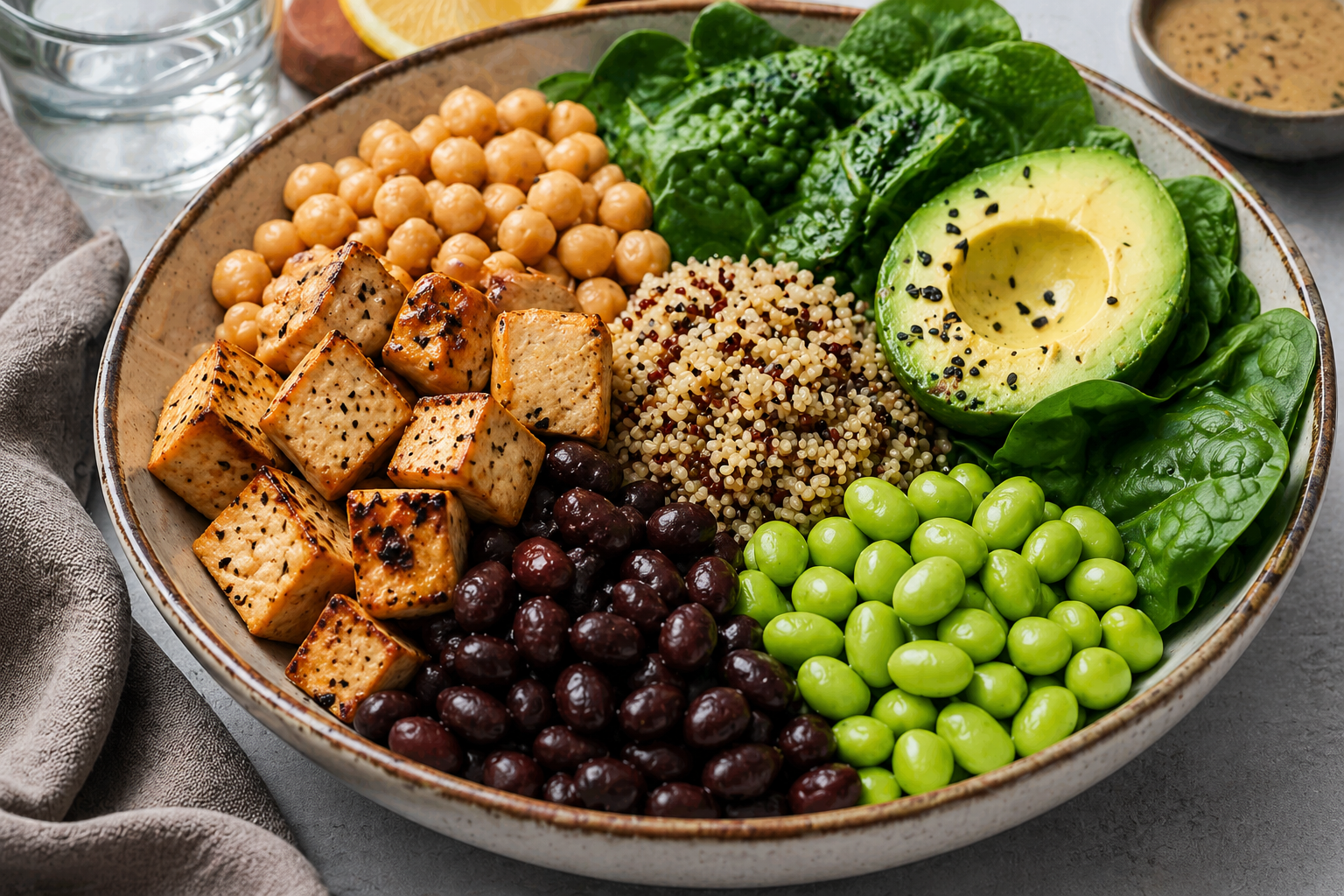
So, as you can see, vegan foods for muscle growth are absolutely real and very effective. From tempeh and seitan to quinoa and hemp seeds, there are so many delicious options to choose from. In fact, many professional athletes and bodybuilders follow a vegan diet and are incredibly strong.
The key is to eat a variety of high-protein vegan foods every day. Therefore, you give your body all the nutrients it needs to grow and recover. Start small, stay consistent, and enjoy the journey to a stronger, healthier you!
Frequently Asked Questions (FAQs)
Q1. Can you really build muscle on a vegan diet?
Yes, absolutely! Many people wonder if vegan foods for muscle are effective, and the answer is a big yes. Plant-based proteins like lentils, tofu, tempeh, seitan, and edamame are rich in amino acids that your muscles need to grow. Furthermore, several professional bodybuilders and athletes follow a fully vegan diet. The key is to eat enough protein each day around 1.6 to 2.2 grams per kilogram of body weight. In addition, you should combine different plant proteins to make sure you get all nine essential amino acids. So, with the right planning and consistency, building strong muscles on a vegan diet is not only possible it is completely achievable for anyone who stays committed.
Q2. What is the best vegan food for muscle growth?
There is no single best option, but seitan tops the list with around 25 grams of protein per 100 grams. It is one of the highest-protein vegan foods available. However, it is made from wheat gluten, so people with gluten issues should avoid it. Besides seitan, tempeh is also excellent because it has about 19 grams of protein per 100 grams and provides probiotics for better digestion. Edamame, lentils, and chickpeas are also among the top vegan foods for muscle. Furthermore, combining foods like rice and beans gives you a complete amino acid profile. Therefore, the best approach is to eat a variety of plant-based protein foods throughout the day rather than relying on just one source.
Q3. How much protein do vegans need to build muscle?
Vegans need about the same amount of protein as non-vegans when it comes to muscle building. Most fitness experts recommend 1.6 to 2.2 grams of protein per kilogram of body weight per day. For example, a person who weighs 70 kg needs about 112 to 154 grams of protein daily. However, because plant proteins are sometimes less digestible than animal proteins, some experts suggest vegans aim for the higher end of that range. Furthermore, spreading your protein intake across 3 to 5 meals throughout the day helps your muscles absorb it better. So, instead of eating all your protein at once, try to include a good protein source in every meal. This simple habit makes a big difference in your muscle growth results over time.
Q4. Is tofu good for muscle growth?
Yes, tofu is a great vegan food for muscle growth, especially firm tofu. It contains about 8 grams of protein per 100 grams, and you can easily eat a larger portion to get more. Moreover, tofu is made from soy, which is a complete protein meaning it has all nine essential amino acids your body needs to repair and grow muscle tissue. Therefore, it is one of the most popular choices among vegan bodybuilders. In addition, tofu is very versatile. You can scramble it, grill it, fry it, or even blend it into smoothies. It takes on the flavor of whatever spices and sauces you use. So, with a little creativity, tofu can become a delicious and powerful part of your muscle-building diet every single day.
Q5. What are complete proteins in a vegan diet?
A complete protein is a food that contains all nine essential amino acids the ones your body cannot make on its own. Most animal products are complete proteins. However, a few plant-based foods are also complete proteins, which is great news for vegans. These include soy products like tofu, tempeh, and edamame, as well as quinoa, hemp seeds, and spirulina. Furthermore, you can also create complete proteins by combining two incomplete sources. For example, eating rice and beans together gives you a full amino acid profile. Similarly, peanut butter on whole wheat bread works well too. Therefore, vegans do not need to worry too much about getting incomplete proteins. With a little knowledge and planning, you can easily meet all your amino acid needs from vegan foods for muscle growth.
Q6. Can I get enough protein from plants without supplements?
Yes, most people can meet their protein needs from whole vegan foods alone, without any supplements. For example, a single day of eating lentils, tofu, edamame, quinoa, chickpeas, and hemp seeds can easily provide 100 grams of protein or more. Therefore, careful meal planning is the most important factor. However, supplements like plant-based protein powders can be very helpful for busy people or those who struggle to eat enough whole foods. They are also convenient for post-workout shakes. Furthermore, supplements like vitamin B12, vitamin D, and creatine may also be worth considering since they are harder to get from a fully plant-based diet. So, while supplements are not required, they can be a helpful addition to support your overall health and muscle-building goals.
Q7. Is peanut butter good for building muscle?
Yes! Peanut butter is a tasty and affordable vegan food for muscle growth. Two tablespoons of peanut butter have around 8 grams of protein and about 16 grams of healthy fats. These healthy fats give your body long-lasting energy and support hormone production both of which are important for muscle growth. Furthermore, peanut butter is also rich in magnesium, which helps your muscles recover and contract properly during workouts. Therefore, it is a great snack before or after exercise. You can add it to smoothies, spread it on whole grain toast, or mix it into oatmeal. However, try to choose natural peanut butter without added sugar or hydrogenated oils. Overall, peanut butter is an easy and delicious way to boost your daily protein intake while following a plant-based diet for muscle building.
Q8. What should a vegan eat before a workout?
Before a workout, your body needs energy from carbohydrates and some protein for muscle support. Therefore, a great pre-workout meal as a vegan could include oatmeal with banana and hemp seeds, a smoothie with plant protein powder, or whole grain toast with peanut butter and a piece of fruit. Furthermore, timing matters a lot. Try to eat your pre-workout meal 1 to 2 hours before exercising. This gives your body enough time to digest the food and convert it to energy. In addition, stay hydrated by drinking plenty of water before you start. Avoid eating heavy, greasy, or high-fiber meals right before working out, as they can cause discomfort. So, keep it simple, balanced, and light for the best performance at the gym or during any physical activity.
Q9. What should a vegan eat after a workout?
After a workout, your muscles need protein to repair and grow. Therefore, the best post-workout vegan meals include a combination of protein and carbohydrates. Great options include a tofu and vegetable stir fry with brown rice, a smoothie with pea protein powder and banana, or a bowl of lentils and quinoa with veggies. Furthermore, try to eat your post-workout meal within 30 to 60 minutes after finishing your exercise. This window is when your muscles are most ready to absorb nutrients. In addition, do not forget to rehydrate with water or an electrolyte drink. You can also add a handful of edamame or some chickpeas as a quick snack right after your session. Overall, eating the right vegan foods for muscle recovery is just as important as the workout itself, so take it seriously.
Q10. How long does it take to build muscle on a vegan diet?
The time it takes to build muscle on a vegan diet is similar to a non-vegan diet. With consistent training and proper nutrition, most beginners can start seeing noticeable results within 8 to 12 weeks. However, this depends on several factors, including how often you work out, how much protein you eat, your sleep quality, and your genetics. Furthermore, beginners tend to see faster results than people who have been training for years. Therefore, do not get discouraged if your progress feels slow at first. Stick to your plan, eat enough vegan foods for muscle growth every day, sleep well, and stay consistent. Over time, the results will come. In addition, tracking your food intake and workouts can help you stay on track and make adjustments when needed. Patience and consistency are truly the biggest keys to success.

GIPHY App Key not set. Please check settings