
 Admin
Admin
You open the fridge and there it is half an onion, a few sad carrots, some leftover rice, and a handful of spinach that’s about to give up on life. Most people would throw it all away. But here’s the truth: that fridge of “nothing” is actually full of potential meals.
Food waste is a huge problem, and it’s also a money problem. The average family throws away hundreds of dollars worth of food every single year. So instead of tossing those leftover ingredients, let’s talk about 10 brilliant leftover ingredients ideas that will save you money, reduce waste, and honestly taste amazing.
Why You Should Stop Throwing Away Leftover Ingredients
Before we get into the ideas, let’s talk about why this matters. When you throw away food, you’re not just wasting ingredients you’re throwing away the money you spent on them. On top of that, food waste is one of the biggest environmental problems in the world today.
The good news is that using up leftover ingredients doesn’t require any special cooking skills. Most of the ideas in this list are beginner-friendly, quick, and genuinely delicious. So let’s get into it.
1. Make a Fried Rice Bowl
Leftover rice is honestly one of the best things to have in your fridge. Day-old rice actually works better for frying than fresh rice because it’s drier and doesn’t clump. Just toss it in a hot pan with a little oil, throw in whatever vegetables you have, crack in an egg, add soy sauce, and you’ve got a full meal in under 10 minutes. This is one of the easiest leftover ingredients ideas you’ll ever try.
2. Whip Up a Soup or Broth
Almost any leftover vegetable can go into a soup. Carrots, celery, onions, tomatoes, potatoes it all works. Just chop everything up, cook it in water or stock, add some salt and spices, and you have a warm, comforting bowl of soup. Furthermore, if you have leftover chicken bones or vegetable scraps, boil them for 30 minutes to make a rich homemade broth that you can freeze and use later.
3. Build a Leftover Frittata
A frittata is basically a baked egg dish, and it’s perfect for using up leftover ingredients. Beat a few eggs, pour them into an ovensafe pan, and add whatever you have leftover vegetables, cheese, cooked meat, herbs. Pop it in the oven for 15 minutes and you have a filling meal that works for breakfast, lunch, or dinner. It’s also a great way to use up leftover ingredients ideas for vegetables that are slightly past their prime.
4. Create a Wrap or Quesadilla
Got a tortilla and some random ingredients? You’re halfway to a great meal. Leftover chicken, rice, beans, cheese, or roasted vegetables all work beautifully inside a wrap or quesadilla. Just heat everything up, fold it in, and toast it in a pan for a couple of minutes. It takes almost no time, uses up what to do with leftovers perfectly, and kids absolutely love it too.
5. Blend a Smoothie With Leftover Fruit
Fruit that’s getting a little too ripe is actually sweeter and more flavourful than fresh fruit. Instead of throwing it away, toss it in a blender. Add some yogurt, milk, or water, throw in a handful of spinach or oats if you have them, and blend. You’ve got a nutritious smoothie in two minutes. Overripe bananas, mangoes, berries, and peaches all work brilliantly. This is one of those zero waste kitchen habits that is effortless once you start.
6. Make a Stir Fry
A stir fry is the ultimate leftover ingredients ideas meal. You can use almost any combination of vegetables and protein. Slice everything thin, cook it on high heat with a little oil and garlic, add your sauce, and serve over rice or noodles. Bell peppers, broccoli, mushrooms, cabbage, leftover chicken or tofu it all works together. Dinner is ready in 15 minutes and you’ve cleared out your fridge at the same time.
7. Turn Stale Bread Into Something Delicious
Stale bread doesn’t belong in the bin. Instead, use it to make croutons by cutting it into cubes, tossing with olive oil and garlic, and baking until crispy. You can also make French toast by dipping slices in egg and milk and frying until golden. Another great idea is bread pudding tear up the stale bread, soak in a mix of eggs, milk, and sugar, and bake. All three options taste incredible and use up what would otherwise be wasted.
8. Prepare a Budget Pasta Dish
Pasta is one of the most forgiving dishes when it comes to budget cooking ideas with leftovers. Almost any vegetable works in a pasta sauce onions, tomatoes, spinach, zucchini, mushrooms. Cook the pasta, sauté your leftover vegetables in olive oil with garlic, add a tin of tomatoes or some cream, and toss everything together. Add some cheese on top and it looks and tastes like a restaurant meal. This is a great example of creative leftover recipes that are both cheap and impressive.
9. Freeze Leftovers Before They Go Bad
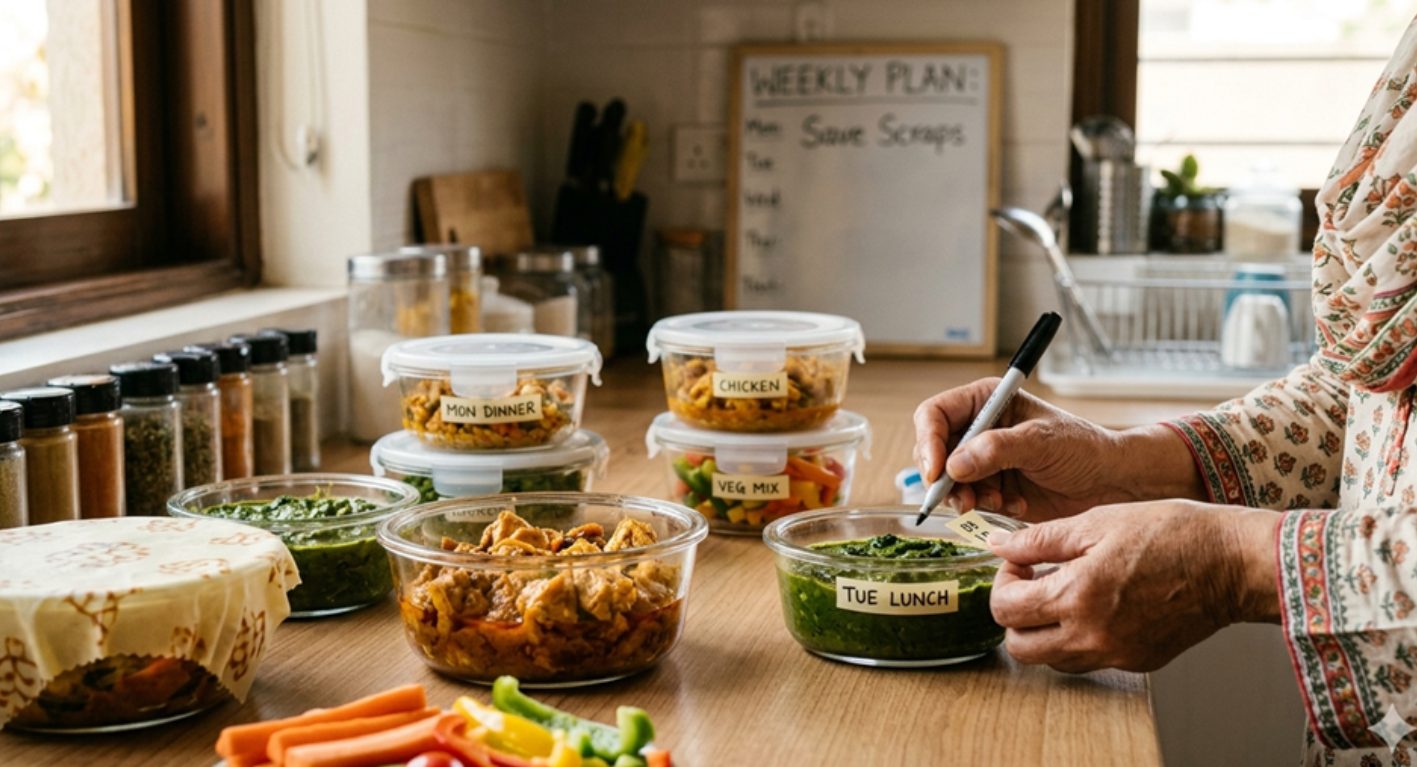
Sometimes you have more leftovers than you can eat in a few days. In that case, freezing is your best friend. Most cooked meals freeze well for up to three months. Portion them into freezer bags or containers, label with the date, and freeze. On a busy night when you don’t have time to cook, simply pull one out and reheat. This is one of the smartest leftover food storage tips you can follow to reduce food waste at home over the long term.
10. Use Leftover Herbs to Make Flavoured Oil or Butter
Fresh herbs like basil, parsley, coriander, and chives don’t last long in the fridge. But instead of letting them wilt and die, blend them with olive oil to make a herb oil that lasts weeks and tastes incredible drizzled over bread, pasta, or grilled food. Alternatively, mix soft herbs into softened butter, roll it up in cling film, and freeze it. You’ll have flavoured butter ready to use anytime. It’s a simple but brilliant leftover ingredients idea that most people never think of.
Quick Reference: Leftover Ingredients and What to Make
Here’s a handy table to help you match your leftover ingredients to the best recipe ideas:
| Leftover Ingredient | Best Use | Time to Cook |
| Leftover Rice | Fried Rice Bowl | 10 minutes |
| Old Vegetables | Soup or Stir Fry | 15–20 minutes |
| Stale Bread | Croutons or French Toast | 10–15 minutes |
| Overripe Fruit | Smoothie or Fruit Sauce | 5 minutes |
| Leftover Chicken | Wrap, Quesadilla, or Salad | 10 minutes |
| Fresh Herbs | Herb Oil or Flavoured Butter | 5 minutes |
| Eggs + Mixed Veggies | Frittata or Omelette | 15 minutes |
| Cooked Pasta | Pasta Bake or Soup | 20 minutes |
| Canned Beans | Budget Pasta or Rice Bowl | 15 minutes |
| Any Cooked Meal | Freeze for Later | 2 minutes prep |
Frequently Asked Questions (FAQs)
Q1. What are the most common leftover ingredients people waste?
The most commonly wasted leftover ingredients in most homes are bread, vegetables, cooked rice, herbs, and fruit. These items have a short shelf life, so people often forget about them until it’s too late. However, all of these can easily be used up with a little creativity. Bread can become croutons, herbs can become flavoured oil, and old vegetables are perfect for soup. The key is to do a quick fridge check at the start of each week so you know what needs to be used first. Making this a habit is one of the simplest ways to reduce food waste at home without any extra effort.
Q2. How long can I safely keep leftover ingredients in the fridge?
Most cooked leftovers stay safe in the fridge for three to five days. Raw vegetables last about a week if stored properly in airtight containers or wrapped tightly. Cooked rice should be eaten within two days to avoid bacteria growth, so it’s best to use it up quickly or freeze it. Fresh herbs last about a week, but you can extend their life by storing them upright in a glass of water like flowers. Always trust your senses if something smells strange or looks discoloured, it’s safer to throw it away. Proper leftover food storage tips like these help you waste less and stay safe.
Q3. Can I freeze leftover ingredients that are about to go bad?
Yes, absolutely! Freezing is one of the best leftover ingredients ideas for extending food life. Most cooked meals, soups, sauces, and even fruit freeze very well for up to three months. For vegetables that are about to go off, blanch them first boil for two minutes, then cool in cold water before freezing. This keeps their colour and texture much better. Bread freezes brilliantly too. Simply slice it before freezing so you can take out just what you need. Always label everything with the date so you know how long it’s been in the freezer. Freezing is a zero waste kitchen habit that saves both food and money.
Q4. What can I make with just eggs and leftover vegetables?
Eggs and leftover vegetables are honestly one of the best food combinations in the world. You can make a frittata by beating eggs and pouring them over sautéed vegetables in an oven-safe pan, then baking for 15 minutes. You can also make a simple omelette by folding cooked vegetables inside beaten eggs in a frying pan. Scrambled eggs with any chopped vegetables mixed in is another fast option. All three meals take less than 20 minutes, cost almost nothing, and are packed with nutrition. This is one of the best creative leftover recipes for beginner cooks who want to use up what they have.
Q5. How can I use up leftover cooked rice?
Leftover cooked rice is incredibly versatile. The most popular use is fried rice cook it in a hot pan with oil, garlic, any vegetables you have, and a beaten egg, then season with soy sauce. You can also add leftover rice to soups to make them thicker and more filling. Rice salads work well too just mix cold rice with chopped vegetables, olive oil, and lemon juice. Another option is to make rice cakes by mixing rice with egg and frying into small patties. Day-old rice is actually better for all of these uses because it’s drier and holds its shape well during cooking.
Q6. What are some budget cooking ideas using leftover ingredients?
Budget cooking with leftovers is all about combining what you have creatively instead of buying new things. A pot of vegetable soup made from leftover carrots, onions, potatoes, and celery costs almost nothing and feeds a family. Pasta dishes work the same way leftover vegetables, a tin of tomatoes, garlic, and pasta make a full meal for very little money. Egg dishes like frittatas and omelettes are extremely cheap too. The golden rule of budget cooking ideas is to check your fridge first before going shopping. Very often, the meal you need is already waiting for you inside. You just need to look at ingredients differently.
Q7. How do I stop forgetting about leftover ingredients in my fridge?
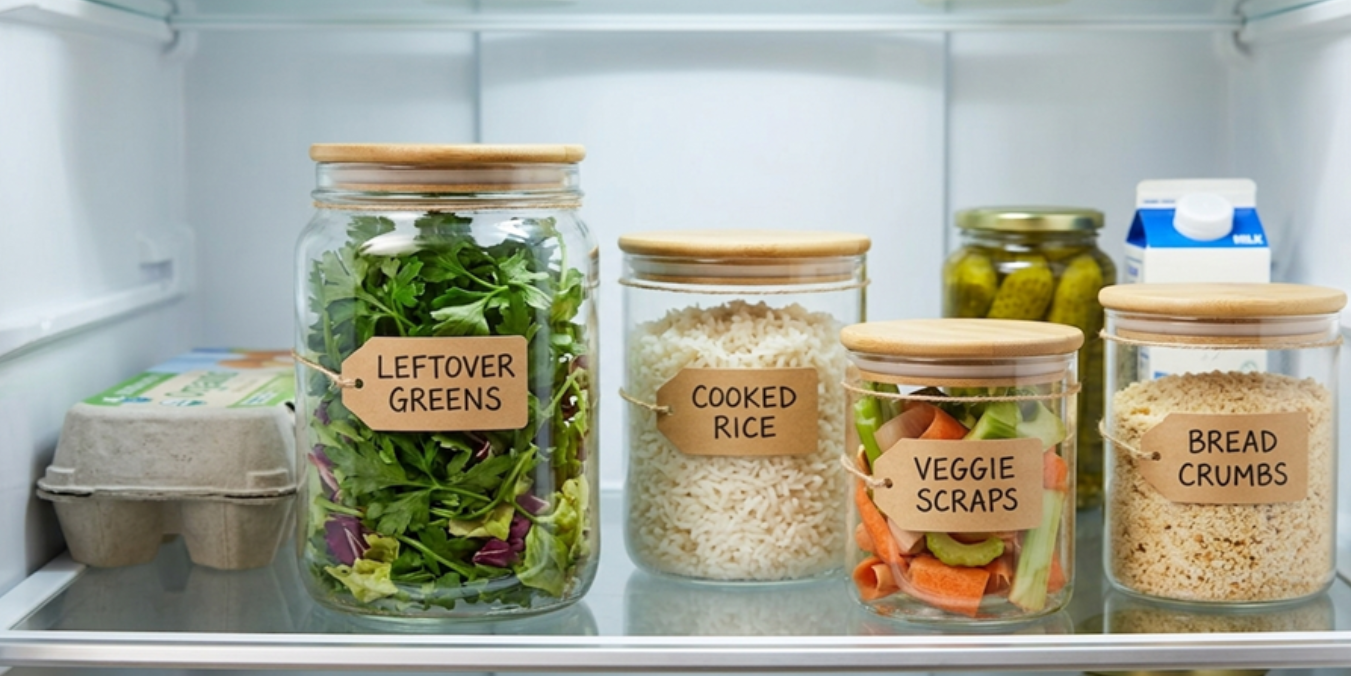
This is a really common problem. The solution is to make your leftovers visible. When you put food in the fridge, place leftovers at the front at eye level rather than pushing them to the back. Use clear containers so you can see exactly what’s inside without opening them. Another great habit is to do a quick fridge audit at the start of every week just two minutes to check what needs to be used soon. You can even keep a small sticky note on the fridge listing what needs to be eaten first. Furthermore, planning one ‘use it up’ meal per week where you cook whatever is left over prevents waste beautifully.
Q8. Are leftover ingredient meals healthy?
Yes, in fact they can be even healthier than planned meals because you tend to use more vegetables and whole ingredients. A soup made from leftover vegetables is packed with vitamins and fibre. A fried rice bowl with eggs and mixed vegetables covers your protein, carbs, and nutrients all in one. The key is to cook with simple methods stir frying, roasting, or boiling rather than deep frying. When you use up what you already have, you also avoid processed convenience foods that are high in salt and preservatives. So cooking with leftover ingredients ideas is naturally a healthier, more wholesome way to eat on a daily basis.
Q9. What should I do with leftover fresh herbs before they go bad?
Fresh herbs are one of the most commonly wasted ingredients in the kitchen, but they’re also one of the easiest to save. The quickest option is to blend them with olive oil to make a herb oil that stays fresh in the fridge for up to two weeks. You can also mix soft herbs like parsley and basil into softened butter, roll it in cling film, and freeze it for use anytime. Another great idea is to wash, dry, and chop the herbs, then freeze them flat in a ziplock bag. They won’t be good for garnish after freezing, but they’re perfect for cooking in soups, sauces, and stir fries. This zero waste kitchen tip makes a huge difference.
Q10. How do I get my family to eat leftover ingredient meals?
The trick is presentation and not calling them ‘leftovers.’ Instead of saying ‘we’re having leftover soup tonight,’ call it ‘homemade vegetable soup’ or ‘chef’s special fried rice.’ When food looks good and has a nice name, people are more excited to eat it. Also, try to transform the ingredients so they don’t look like yesterday’s meal. For example, leftover chicken in a fresh wrap with salad and sauce feels completely new, even if the chicken was cooked the day before. Involving kids in simple preparation also makes them more likely to eat what they’ve helped make. Creative leftover recipes don’t have to feel like leftovers at all.
Final Thoughts
Throwing away leftover ingredients is throwing away money. With just a little bit of creativity and the right ideas, almost everything in your fridge can become a delicious meal.
From fried rice to herb butter, from smoothies to soups these 10 leftover ingredients ideas prove that the best meals often come from using what you already have. So next time you open the fridge and think there’s nothing to eat, think again. Your next great meal might already be waiting for you.

GIPHY App Key not set. Please check settings