
 Admin
Admin
The ultimate meal prep guide for busy people: save time, eat well, and stress less
You wake up late, your calendar is packed, and the last thing you want is to stand in the kitchen for an hour figuring out dinner. Sound familiar? This is exactly why you need meal prep for busy people. Whether you are a working parent, a full-time professional, a student juggling deadlines, or anyone whose schedule barely leaves room to breathe, meal prep for busy people can completely transform the way you eat, spend money, and manage your week. This is not about perfection. It is about progress, systems, and building habits that actually stick.
1. What is meal prep and why does it matter for busy people?
Meal prep, short for meal preparation, is the practice of planning, cooking, and storing meals or ingredients in advance, typically for the week ahead. Instead of cooking from scratch every single day, you dedicate a block of time, usually one to two hours, to batch cooking proteins, grains, vegetables, and snacks that can be mixed and matched throughout the week.
For busy people, this is a game changer. Studies consistently show that people who plan their meals in advance eat healthier, spend less money on food, and experience significantly less daily stress. When food is already prepared and ready to grab, the temptation to order takeout or resort to ultra-processed convenience food drops dramatically.
Beyond nutrition, meal prep also saves an enormous amount of mental energy. Every decision you avoid, like what to cook tonight or whether you have the right ingredients, reduces decision fatigue and frees your mind for things that actually matter.
2. The real benefits of weekly meal prepping
Before diving into the how, it helps to understand what you are actually gaining. Here is what consistent meal preppers report:
- Time savings: Cooking once and eating four to five times from that same prep session saves an average of 45 to 90 minutes per day.
- Money savings: Planning meals reduces impulse grocery purchases and cuts down on food waste, one of the biggest silent drains on household budgets.
- Healthier eating: When you control what goes into your food, you control calories, macros, sodium, and ingredients, making it far easier to maintain a healthy diet.
- Reduced stress: Knowing your meals are handled removes the 5pm panic of what is for dinner entirely.
- Better portion control: Pre-portioned containers help prevent overeating and make tracking nutrition effortless.
- Less food waste: Buying with a plan means using what you buy, which is better for both your wallet and the environment.
3. How to get started with meal prep: a step by step beginner’s guide
The biggest mistake beginners make is trying to prep every single meal from day one. Start small. One or two prepped components per week is enough to feel the difference without burning out.
Step 1: choose your meal prep style
There is no one-size-fits-all approach. Pick the style that fits your lifestyle:
- Full meal prep: Cook complete, portioned meals for the week, like five lunches and five dinners, all stored in individual containers.
- Component prep: Cook individual building blocks like roasted vegetables, cooked grains, and grilled chicken that can be combined in different ways each day.
- Batch cooking: Make large quantities of one or two recipes, like a big pot of soup or a slow cooker stew, and eat it multiple times.
- Freezer prep: Cook meals in bulk and freeze portions for weeks or months ahead, perfect for people with unpredictable schedules.
Step 2: plan your meals before you shop
A solid meal prep always starts with a solid meal plan. Sit down on a Friday evening or Saturday morning and decide what you want to eat for the coming week. Choose recipes that share ingredients to minimize waste and simplify shopping. Pick two to three proteins, two to three carbohydrates, and three to four vegetables that can be rotated across different meals. Balance quick meals for your busiest days with more involved recipes for when you have a bit more time.
Step 3: build a smart grocery list
Group your grocery list by category: produce, protein, dairy, dry goods, frozen, and pantry staples. This saves time in the store and reduces the chances of forgetting something. Buying in bulk for pantry staples like rice, oats, canned beans, olive oil, and spices is almost always more cost-effective when you are prepping regularly.
Step 4: schedule your prep session
The single most important habit in meal prepping is treating your prep session like an appointment. Block off time in your calendar. Most people find Sunday afternoon or Saturday morning works best. Even 60 to 90 minutes is enough to prep three to four meal components for the entire week.
Step 5: cook efficiently using parallel cooking
Parallel cooking is the secret to getting a week’s worth of food done in under two hours. Run multiple cooking methods at the same time. Put a grain like rice or quinoa on the stovetop, roast vegetables in the oven simultaneously, and cook a protein on another burner or a second oven tray. While those cook, chop salad greens, prep overnight oats, or portion out snacks. By the time the oven timer goes off, you have four or five components ready at once.
4. The best foods to meal prep for the week
Not all foods are created equal when it comes to meal prep. Some hold up beautifully in the fridge for five to seven days. Others turn soggy or lose texture and are best made fresh. Here is a practical breakdown:
Best proteins to batch cook
- Grilled or baked chicken breast and thighs (stays fresh 4 to 5 days)
- Hard-boiled eggs (up to 7 days in the shell)
- Cooked ground turkey or beef
- Baked salmon or canned tuna
- Cooked lentils, chickpeas, and black beans
- Baked or pan-fried tofu
Best carbohydrates and grains
- Brown rice and white rice
- Quinoa
- Roasted sweet potatoes
- Pasta, cooked slightly under to prevent mushiness
- Overnight oats for breakfasts
- Whole grain wraps and pita bread
Best vegetables to roast or steam in advance
- Broccoli, cauliflower, and Brussels sprouts
- Bell peppers and zucchini
- Carrots and beets
- Spinach and kale, raw for salads or sauteed
- Cherry tomatoes and cucumber, kept raw and fresh
Pro tip: Keep dressings and sauces separate from salads until you are ready to eat. This prevents greens from wilting and keeps textures fresh throughout the week.
5. Essential meal prep containers and tools you actually need
- Glass meal prep containers: Ideal for reheating, durable, stain-resistant, and better for the environment than plastic. A set of 10 to 14 containers in varying sizes covers most needs.
- Sheet pans: Essential for roasting large batches of vegetables and proteins at once. Two or three heavy-duty sheet pans are enough.
- A large Dutch oven or stockpot: For soups, stews, grains, and batch-cooked sauces.
- A sharp chef’s knife: Proper knife skills and a sharp blade cut prep time by 30 to 40 percent.
- A rice cooker or Instant Pot: Set it and forget it cooking for grains and proteins frees up your attention for other prep tasks.
- Mason jars: Perfect for overnight oats, salads in a jar, sauces, and snacks.
- A food scale: Helpful for portioning calories or macros accurately without guessing.
6. High-protein meal prep ideas for the whole week
High-protein meal prepping supports muscle maintenance, satiety, and weight management. Here is a simple sample week of high-protein, ready-to-go meals:
Breakfast options
- Egg muffins with spinach, cheese, and turkey sausage (make a batch of 12)
- Overnight oats with Greek yogurt, protein powder, and berries
- Cottage cheese bowls with sliced fruit and granola
Lunch options
- Grilled chicken and quinoa bowls with roasted vegetables
- Lentil soup with whole grain bread
- Turkey and hummus wraps with shredded greens
Dinner options
- Baked salmon with brown rice and steamed broccoli
- Ground turkey stir fry with bell peppers, snap peas, and jasmine rice
- Chickpea and spinach curry with naan or flatbread

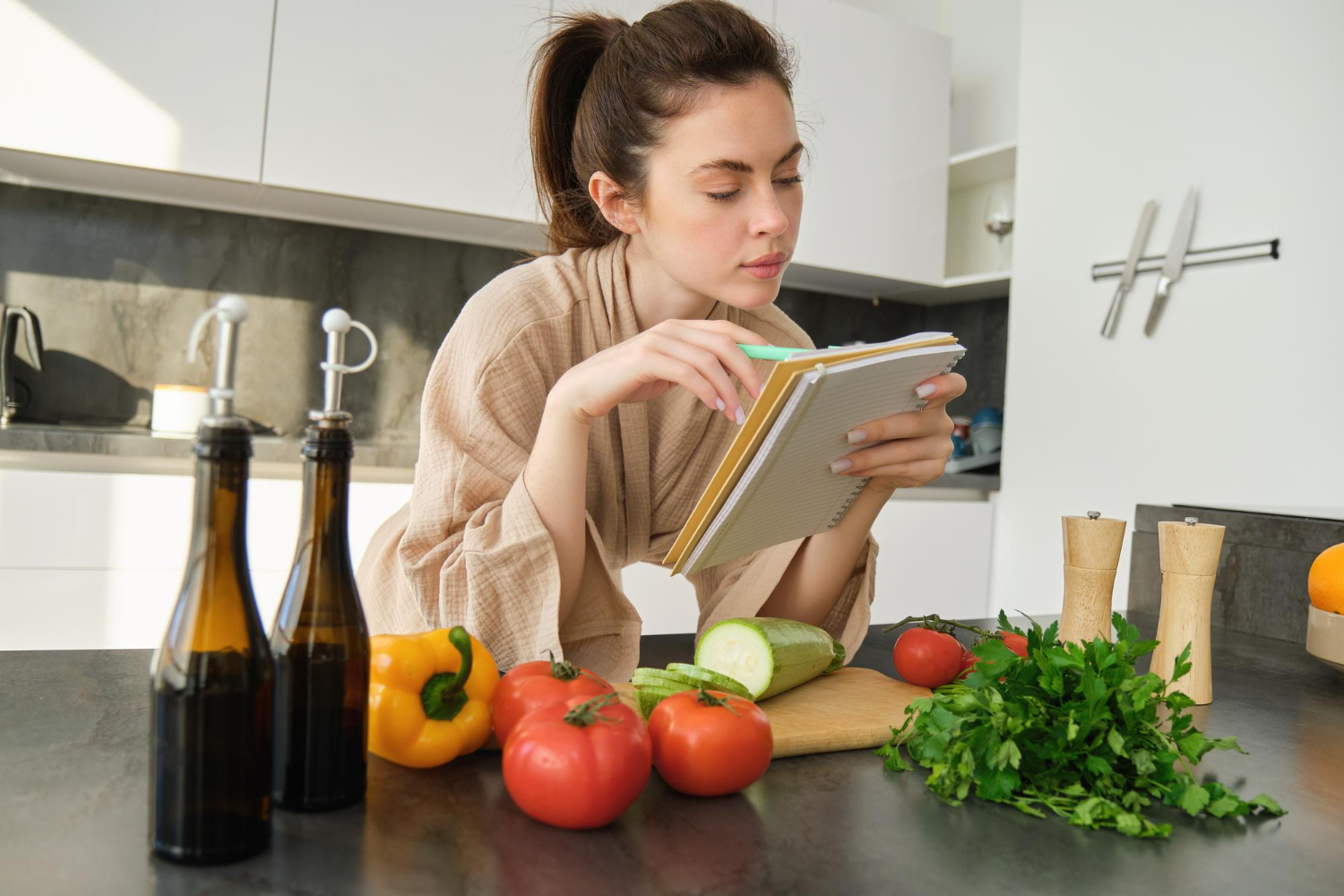
7. Meal prep for weight loss: what you need to know
If your goal is weight loss, meal prep is one of the most evidence-supported strategies available. When healthy, calorie-controlled food is immediately available, you are far less likely to eat impulsively. For weight loss meal prepping specifically:
- Focus on foods high in protein and fiber, both of which promote lasting fullness.
- Pre-portion your containers to reflect your daily calorie targets.
- Include plenty of non-starchy vegetables, which add volume and nutrients without a significant calorie cost.
- Avoid pre-making calorie-dense snacks in large batches until you have built consistent habits.
- Prepare healthy alternatives to your trigger foods, like roasted chickpeas instead of chips or Greek yogurt with honey instead of ice cream.
8. Budget-friendly meal prep: eating well without breaking the bank
One of the most persistent myths about healthy eating is that it has to be expensive. Meal prepping, done right, is one of the most cost-effective ways to feed yourself and your family well.
- Build meals around affordable, nutrient-dense staples: dried lentils, canned beans, eggs, oats, frozen vegetables, and whole grains.
- Buy proteins in bulk and freeze portions you will not use that week.
- Shop seasonally. Produce that is in season is almost always cheaper and more flavorful.
- Use the freezer as a tool. Soups, stews, cooked grains, and marinated proteins all freeze well.
- Plan meals around what is already in your pantry before writing your shopping list.
A realistic, nutritious week of food for one person can cost as little as $40 to $60 when meal prepped strategically, compared to $80 to $120 or more when buying lunch out daily and cooking ad hoc dinners.
9. Common meal prep mistakes and how to avoid them
- Overcomplicating your first prep: Start with three to four simple components, not a ten-recipe marathon. Complexity leads to burnout.
- Forgetting variety: Eating the exact same meal five days in a row gets old fast. Prep versatile components that can be mixed and matched instead.
- Storing food while still hot: Hot food traps steam in containers, creates condensation, and accelerates bacterial growth. Let food cool to room temperature first.
- Ignoring breakfast and snacks: Dinner gets all the meal prep attention, but prepping breakfast and snacks delivers some of the biggest time and health wins.
- Shopping without a plan: Grocery shopping without a meal plan leads to wasted produce and ingredients that never come together into actual meals.
10. Meal prep food safety: how long does prepped food last?
- Cooked chicken, beef, turkey, and pork: 3 to 4 days
- Cooked seafood and fish: 3 days
- Cooked grains and pasta: 5 days
- Roasted vegetables: 4 to 5 days
- Hard-boiled eggs unpeeled: up to 7 days
- Soups and stews: 4 to 5 days, or freeze for up to 3 months
When in doubt, use the freezer. Freezing extends the life of almost any prepped meal by two to three months and is one of the most underused tools in a meal prepper’s arsenal.
11. Quick and easy meal prep recipes for beginners
Sheet pan roasted chicken and vegetables
Season chicken thighs with olive oil, garlic, paprika, salt, and pepper. Toss your choice of vegetables such as broccoli, bell peppers, and sweet potatoes in the same seasonings. Spread everything on one or two sheet pans and roast at 200C (400F) for 35 to 40 minutes. One pan, one oven session, and five to six servings of protein and vegetables ready to go.
Overnight oats (makes 5 servings in 10 minutes)
Combine 50g of rolled oats, 150ml of milk or a plant-based alternative, 100g of Greek yogurt, one tablespoon of chia seeds, and your choice of toppings in a mason jar. Stir, seal, and refrigerate overnight. Grab and go in the morning. No cooking required.
Slow cooker chicken soup
Add chicken breasts, chopped carrots, celery, onion, garlic, low-sodium broth, and seasonings to a slow cooker. Cook on low for six to eight hours. Shred the chicken, add noodles or rice if desired, and portion into containers. This single recipe provides six to eight hearty servings and improves in flavor over the first two days.
12. Meal prepping for families: scaling up without the stress
Meal prepping for a family requires a slightly different approach than prepping for one. The fundamentals remain the same, but portion sizes, variety, and picky eater tolerance all come into play.
- Prep customizable base meals. A taco night where the filling, tortillas, toppings, and rice are all prepped separately lets every family member build their own plate.
- Involve children in age-appropriate prep tasks like washing vegetables or portioning snacks. It builds positive relationships with food.
- Double family-favorite recipes and freeze half. A double batch of bolognese or lasagna means you eat one now and save one for a future busy week.
- Keep a snack station in the fridge stocked with cut fruit, portioned nuts, veggie sticks with hummus, and cheese cubes to reduce constant snack requests.
13. Conclusion: your meal prep journey starts this Sunday
The ultimate meal prep guide for busy people is not about becoming a professional chef or eating perfectly clean every single day. It is about creating a system that removes friction, saves you time, and keeps you nourished even when life gets relentlessly busy.
Start with one prep session this weekend. Pick three simple components, block off 90 minutes, and see how differently your week feels when you open the fridge and everything is already handled. That quiet relief is what keeps people coming back to meal prep week after week.
Small steps, taken consistently, produce remarkable results. Your future self, eating a warm nourishing bowl on a chaotic Tuesday night without any stress, will thank you for starting today.
14. Top 10 frequently asked questions about meal prep
Q1. How long does meal prep take for beginners?
Most beginners can complete a solid prep session in 60 to 90 minutes by focusing on just three to four components. As you become more efficient with parallel cooking and planning, you can prep five or more days of food in under two hours.
Q2. Is meal prepping actually worth it for one person?
Absolutely. Meal prepping for one person is often easier and more rewarding than prepping for families because you have complete control over flavors and portions. It significantly reduces food waste and daily cooking time and makes maintaining healthy eating habits far simpler.
Q3. What are the best containers for meal prep?
Glass containers with locking lids are the top choice. They are oven-safe, microwave-safe, stain-resistant, and durable. BPA-free plastic containers work well for lighter, colder meals and are better for on-the-go portability.
Q4. Can you meal prep every meal for the entire week?
Yes, but it requires careful planning around food safety timelines. Meals prepped on Sunday typically stay fresh through Thursday or Friday. For meals intended for Friday and beyond, freezing is the safest approach.
Q5. What are the easiest foods to start meal prepping with?
The easiest starting points are grains like rice and quinoa, roasted vegetables, hard-boiled eggs, and overnight oats. These require minimal technique, hold well in the fridge all week, and are incredibly versatile across different meals.
Q6. How do I keep meal-prepped food from getting boring?
Prep versatile components rather than identical complete meals. When you have seasoned chicken, quinoa, roasted vegetables, and a couple of sauces in the fridge, you can create a bowl, a wrap, a salad, or a stir-fry from the same base ingredients, keeping things feeling fresh throughout the week.
Q7. Is meal prepping healthy or does cooking in advance affect nutrition?
Meal prepping does not significantly reduce the nutritional value of most foods. Some water-soluble vitamins may decrease slightly over a few days, but the overall nutritional profile of well-prepped meals remains high. The health benefits of consistently eating home-cooked food far outweigh any minor nutrient changes from refrigeration.
Q8. Can I meal prep if I have dietary restrictions like gluten-free or vegan?
Meal prep is actually ideal for dietary restrictions because it gives you complete control over every ingredient. Gluten-free meal prepping centers on naturally gluten-free grains like rice and quinoa. Vegan meal prepping works beautifully with legumes, tofu, tempeh, and a wide variety of grains and vegetables.
Q9. How much money can meal prepping actually save?
Consistent meal prepping can save anywhere from $150 to $400 per month for an individual, depending on how often you currently eat out. The biggest savings come from eliminating daily lunch purchases, reducing food waste, and cutting impulsive takeout orders on busy weeknights.
Q10. What is the best day to meal prep?
Sunday is the most popular meal prep day because it sets you up for the full working week. However, the best day is whatever day you can reliably protect 60 to 120 minutes of uninterrupted time. Some people prefer a Wednesday mini-prep to refresh mid-week meals alongside a Sunday main session.

GIPHY App Key not set. Please check settings