 Admin
Admin
Introduction
When you have just been diagnosed with PCOS, or you have been living with the condition for many years, it is likely that you already know that your diet matters a lot. Actually, a properly designed PCOS diet can really help you feel much better every day. Whether it is reducing bloating and fatigue or even helping you get pregnant, the right foods can work with your hormones rather than fight them.Moreover, the dietary treatment of PCOS does not imply total relinquishment of all your favorite meals. It is merely about being smarter and more deliberate in decision-making. Then, we will take the time to go through all you need to know about eating well with polycystic ovary syndrome.
What Is PCOS and Why Does the Polycystic Ovary Diet Matter?
PCOS is an acronym that means Polycystic Ovary Syndrome. It is a hormonal disorder that is observed in women of reproductive age. Simply, it implies that the ovaries are secreting more androgens (male hormones) than normal. This may, in turn, result in irregular periods, acne, hair thinning, weight gain, and, in some cases, difficulty getting pregnant.Moreover, insulin resistance is also a common occurrence in most women affected with PCOS. This implies that the body fails to respond to insulin in the right way, thus blood sugar remains higher than it ought to be. It causes further weight gain with time and increases the hormonal imbalance. Thus, by selecting the appropriate foods, one will be directly addressing these underlying issues.Imagine your body as a car. When you fill the wrong fuel in it, the engine will not perform. However, when you switch over to the right fuel, in this case, a hormone-balancing foods plan, all things run much smoother.
Best Foods to Eat on a PCOS Diet Plan for Hormone Balance
The Healthy Foods I have to eat on a PCOS Diet Plan to lose weight by balancing hormones.Luckily, there is no need to make eating with PCOS complicated. The number of delicious and satisfying foods that actively help to balance your hormones, reduce inflammation, and support a healthy weight is plenty. We shall examine the best food categories that you ought to concentrate on.
Low GI Diet Foods That Support Insulin Resistance
One of the most important things you can do is follow a low-GI diet. GI is Glycemic Index – it simply is a measure of how rapidly a food increases your blood sugar level. Low GI foods increase the levels of blood sugar gradually, which is precisely what PCOS women require. The following is a simple table to help you comprehend the idea of low GI vs high GI foods:Balance Your Hormones With Foods You Need to Eat With Every Meal.In addition to blood sugar, some foods also contain certain nutrients which directly help in balancing the estrogen, progesterone, and androgens. Consequently, it would be a clever idea to include them in your regular PCOS meal plan.
Here is a simple table to help you understand low GI vs high GI foods:
|
Food Group |
Low GI (Best for PCOS) | High GI (Limit These) |
| Grains | Oats, quinoa, brown rice, barley |
White bread, white rice, cornflakes |
|
Fruits |
Berries, apples, pears, cherries | Watermelon, dates, ripe bananas |
| Vegetables | Leafy greens, broccoli, carrots |
Mashed potato, parsnips |
|
Dairy |
Greek yogurt, low-fat milk | Sweetened flavored yogurt |
| Snacks | Nuts, seeds, hummus |
Crackers, chips, candy bars |
Hormone Balancing Foods You Should Add to Every Meal
In addition to blood sugar, some foods also contain certain nutrients which directly help in balancing the estrogen, progesterone, and androgens. Consequently, it would be a clever idea to include them in your regular PCOS meal plan.
- Leafy greens like spinach and kale rich in magnesium, which helps reduce cortisol and support progesterone
- Fatty fish like salmon and sardines packed with omega-3 fatty acids that reduce inflammation and improve insulin sensitivity
- Flaxseeds contain lignans that naturally help balance estrogen levels
- Walnuts another excellent source of healthy fats and plant-based omega-3s
- Avocados full of monounsaturated fats that support hormone production
- Eggs provide healthy protein and contain choline, which supports liver function and hormone detoxification
- Turmeric a powerful anti-inflammatory spice that has been shown to reduce androgen levels
- Cinnamon specifically linked to improved insulin sensitivity in women with PCOS
Fertility Diet Plan Foods That May Support Reproductive Health
When you are wishing to have a baby, your diet becomes even more crucial. An effective fertility diet plan concentrates on vitamins and minerals that help in ovulation and hormonal well-being. Additionally, a lot of these foods are an ideal fit for a general PCOS-friendly diet.The foods with high levels of folate, such as lentils, chickpeas, and dark leafy greens, are vital. Moreover, zinc in pumpkin seeds and beef promotes healthy testosterone levels. High-iron content of beans and fortified cereal can prevent anemia, which may influence ovulation. Moreover, fatty fish, eggs, and fortified milk contain vitamin D, which is a significant factor in insulin sensitivity and fertility.
Foods to Avoid on a PCOS Meal Plan for Better Results
It is just as important as knowing what to eat and what you should avoid. Some foods actively contribute to the aggravation of inflammation, an increase in blood sugar, and disruption of hormones. Therefore, by eliminating or minimizing them, significant changes can be observed relatively soon.Interestingly, you do not need to absolutely discontinue these foods on a permanent basis. Nonetheless, you can decrease them greatly and adhere to an insulin resistance diet to make your body respond more to treatment and lifestyle changes.
|
Food to Limit |
Why It Hurts PCOS | Better Alternative |
| Sugary drinks (soda, juice) | Causes rapid blood sugar spikes |
Infused water, herbal tea |
|
Refined carbs (white bread, pasta) |
Triggers insulin resistance | Whole grain bread, lentil pasta |
| Processed meats (bacon, hot dogs) | High in saturated fat, increases inflammation |
Grilled chicken, tofu |
|
Fried foods (chips, fast food) |
Loaded with trans fats | Air-fried or baked alternatives |
| Full-fat dairy (some cases) | May raise androgen levels in some women |
Low-fat yogurt, almond milk |
|
Alcohol |
Stresses the liver and disrupts hormone metabolism | Sparkling water with lemon |
|
Artificial sweeteners |
Can alter gut bacteria and affect insulin |
Small amounts of honey or stevia |
Interestingly, you do not have to completely eliminate these foods forever. However, reducing them significantly while following an insulin resistance diet will help your body respond better to treatment and lifestyle changes.
A Simple 3-Day PCOS Meal Plan for Weight Loss and Hormone Health
|
Day |
Breakfast | Lunch | Dinner | Snack |
| Day 1 | Greek yogurt with berries and flaxseeds | Grilled chicken with quinoa and spinach salad | Baked salmon with roasted broccoli and brown rice |
Handful of walnuts |
|
Day 2 |
Overnight oats with chia seeds and apple slices | Lentil soup with whole grain bread | Stir-fried tofu with mixed vegetables and quinoa |
Hummus with cucumber slices |
|
Day 3 |
Scrambled eggs with avocado on whole grain toast | Chickpea and cucumber salad with olive oil | Grilled turkey with sweet potato and steamed kale |
A small pear with almond butter |
PCOS-Friendly Recipes: Simple Tips to Make Cooking Easier
It is not necessary to be a cook to eat well with PCOS. Actually, there are even PCOS-friendly recipes that only need to be cooked in 20 to 30 minutes. The following are some of the basic cooking tips that can help you to make your polycystic ovary diet sustainable and enjoyable.
- Batch cook grains prepare a big pot of quinoa or brown rice at the start of the week so meals come together faster
- Use spices generously turmeric, cinnamon, ginger, and garlic all have anti-inflammatory properties and add amazing flavor
- Always pair carbs with protein or fat this simple trick slows down digestion and keeps blood sugar more stable
- Meal prep your snacks portion out nuts, seeds, and vegetables ahead of time so you are less tempted by unhealthy options
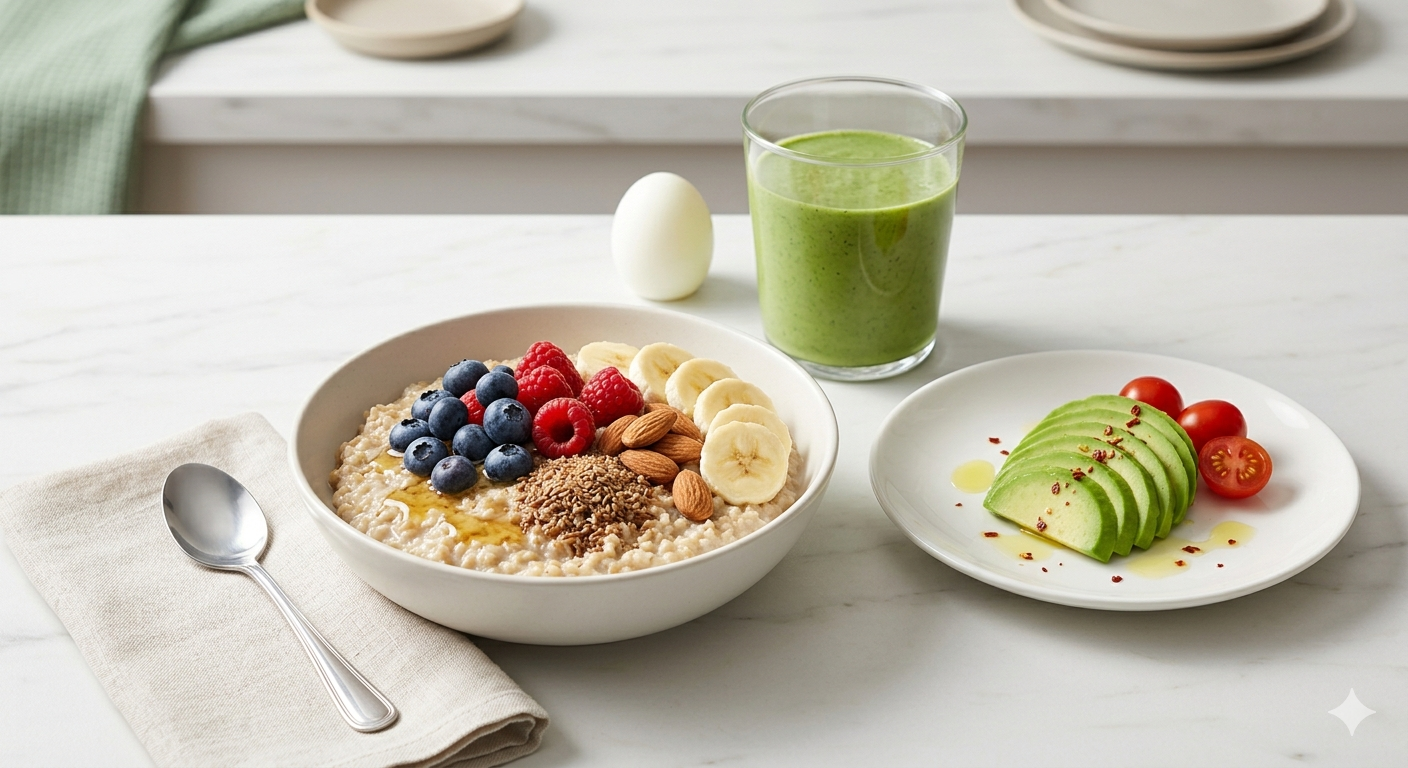
- Try smoothies for busy mornings blend spinach, frozen berries, a scoop of protein powder, and almond milk for a quick hormone-balancing breakfast
PCOS Weight Loss: How the Right Diet Plan Helps Shed Stubborn Pounds
The frustrating upshot of PCOS is the fact that sometimes, despite your best efforts, weight loss may seem incredibly difficult. This is because of the insulin resistance that we have described above. When insulin remains high, the body accumulates more fat, particularly in the belly area.But the positive news is that the loss of even a little bit of weight, say 5 to 10 percent of your body weight, can help considerably with the symptoms of PCOS. Menstrual cycles are more frequent, androgen decreases, and fertility tends to increase. Thus, one of the most effective tools in question is a regular PCOS diet plan to lose weight.To aid weight loss in PCOS in particular, attempt to limit the size of meals and increase the number of meals consumed. Also, place a heavy emphasis on fiber-rich food items such as vegetables, legumes, and whole grains. These sluggish digestion, decreased hunger hormones, and gut health improvement all play a role in weight management itself.
Beyond Diet: Lifestyle Habits to Complement Your Insulin Resistance Diet.
Food is so powerful, but it is even more powerful when combined with some important lifestyle habits. As a result, including these practices in your daily life will increase the advantages of your PCOS diet plan.
Beyond Diet: Lifestyle Habits That Support Your Insulin Resistance Diet
While food is incredibly powerful, it works even better when combined with a few key lifestyle habits. Consequently, adding these practices to your daily routine will multiply the benefits of your PCOS diet plan.
- Exercise regularly even 30 minutes of walking each day significantly improves insulin sensitivity
- Manage stress chronic stress raises cortisol, which worsens insulin resistance; try yoga, deep breathing, or journaling
- Sleep 7 to 9 hours poor sleep disrupts hunger hormones and blood sugar control
- Stay hydrated drink plenty of water throughout the day to support metabolism and hormone function
- Limit screen time before bed blue light affects melatonin production and can indirectly impact hormonal balance
Frequently Asked Questions About the PCOS Diet Plan
1. What is the best PCOS diet plan for beginners?
The simplest way to go is to keep it simple, especially when you are just starting. The first step is to replace white rice and white bread with whole-grain products such as brown rice and oats. Then, include one portion of leafy greens in at least two meals per day. Pay attention to consuming balanced meals, which contain a protein source, a healthy fat, and a complex carbohydrate. Completely avoid sugary beverages and replace them with water or herbal teas. Do not attempt to change everything at once–just one little change each week. These changes will accumulate over a period of time. Keep in mind, it is not about perfection, but about consistency. A small change in your diet can result in some changes in your PCOS symptoms within 8 to 12 weeks.
2. Can a PCOS meal plan help with irregular periods?
Yes, absolutely. One of the most common symptoms of PCOS is irregular or missed periods. This occurs to a large extent due to the hormonal imbalances: high androgens and disrupted insulin levels. With a regular PCOS diet regimen that highlights low GI foods and nutrients that stabilize insulin levels, over time, you will find your insulin levels normalize. Consequently, the level of androgen tends to decrease, and the body will be more capable of ovulation. It is common to notice many improvements in their cycle after two to three months of meaningful dietary changes. Also consider limiting processed foods and sugar, which play an important role in re-establishing a more predictable menstrual cycle.
3. Is a low GI diet really effective for PCOS?
One of the most researched diets to manage PCOS is a low GI diet. Since most PCOS cases are at the heart of insulin resistance, the consumption of foods that do not rapidly increase blood sugar levels helps in breaking the cycle. Research also has demonstrated that PCOS women who adhere to a low GI diet have better insulin sensitivity, lower levels of androgens, improved menstrual regulation, and more effective weight management than women on a standard healthy diet. More so, a low GI eating pattern is long-term sustainable since it involves very diverse and satisfying, yet healthy, foods instead of excluding certain food groups. It is among the most feasible methods for the polycystic ovary diet
4. What foods should I avoid on a polycystic ovary diet?
The foods to limit or avoid on a polycystic ovary diet are those that increase blood sugar levels, encourage inflammation, and disrupt hormones. The primary ones to reduce would be sugary drinks such as soda and fruit juice, refined carbohydrates like white bread and pastries, fried and processed foods, and excess amounts of full-fat dairy. As well as avoid alcohol and artificial sweeteners, and foods containing hidden sugar, such as flavored yogurt and packaged sauces. Although you do not need to be totally perfect, it is always a big difference to reduce these foods. Substitute them with whole, nutrient-dense options, and you are likely to experience energy, skin, mood, and cycle regularity improvements in a relatively short period of time.
5. Can PCOS diet changes support fertility?
Yes, dietary modification can significantly aid fertility in women with PCOS. As irregular ovulation is among the primary causes of fertility difficulties in PCOS, any changes in the diet that positively affect the hormonal balance and insulin sensitivity also enhance the likelihood of regular ovulation. Healthy egg development and hormone functioning rely on the raw materials supplied by a fertility diet plan comprising of folate, zinc, iron, vitamin D, and antioxidants. Fatty fish or flaxseeds are also rich sources of omega-3 fatty acids, which have also been shown to reduce androgen levels, further contributing to ovulation. Although diet can not necessarily be the solution to all fertility issues, it is a very strong start to a medical treatment that is more effective.
6. How many meals should I eat per day on a PCOS diet plan?
The majority of nutritionists suggest that women should have three balanced meals a day, with one or two healthy snacks after having eaten three balanced meals a day. This will aid in maintaining the blood sugar levels constant throughout the day, and this is significant in the control of insulin resistance. Missing meals (particularly breakfast) can lead to decreased blood sugar levels, followed by a significant increase in blood sugar levels when meals are taken, a phenomenon that becomes more pronounced over time as insulin resistance increases. Rather, focus on making eating more frequent with an average eating time of about three to four hours. A good protein, fiber, and healthy fat source should be incorporated in each meal to slow down the digestion process and supply the body with long-lasting energy. This rhythm also aids in decreasing cravings and overeating later in the day.
7. Are dairy products bad for PCOS?
The correlation between dairy and PCOS is somewhat subtle. Other studies propose that full-fat dairy can increase the concentration of IGF-1, a hormone potentially able to stimulate androgen production and exacerbate PCOS symptoms. Nonetheless, low-fat dairy products such as Greek yogurt and cottage cheese are typically PCOS-friendly since they contain protein and probiotics but do not produce the same hormonal effects. Conversely, dairy sensitivities, where PCOS causes inflammation, are also exhibited by some women with PCOS. In case you suspect that you are being affected by dairy, then you need to try doing away with it in four to six weeks and see what happens. Good alternatives that can replace milk in most recipes include unsweetened almond milk or oat milk.
8. Does the PCOS diet plan help with acne and hair loss?
Yes, it would certainly be of assistance. Both acne and loss of hair in PCOS are significantly influenced by high levels of androgens, especially testosterone and DHT. As an insulin resistance diet that reduces blood sugar levels and decreases inflammation, the levels of androgens tend to become lower. Zinc-rich foods, such as pumpkin seeds, beef, and chickpeas, are especially useful since zinc directly interacts with the enzyme that transforms testosterone into DHT. Likewise, omega-3 fatty acids lower the level of inflammatory signals, which trigger acne. Moreover, foodstuffs that contain antioxidants, such as berries and leafy greens, help in protecting the skin cells against damage. You might not see immediate changes in your skin and hair with immediate dietary changes, but with consistent changes to your diet over a two to three-month period, you may see noticeable changes in your skin and hair.
9. Can I follow a vegetarian PCOS diet plan?
Absolutely. One that incorporates meat may be equally effective as a vegetarian PCOS diet plan, so long as you plan it properly. The secret is to ensure you are obtaining sufficient protein, iron, zinc, and omega-3 fatty acids in the form of plant-based foods. Legumes such as lentils, chickpeas, and black beans are great sources of protein, iron, and fiber. Tofu, tempeh, and edamame provide complete or nearly complete proteins. Plant-based sources of omega-3 fatty acids include flaxseeds, chia seeds, and walnuts. In the case of zinc, pumpkin, hemp seeds, and quinoa are excellent options. Also, you can consider taking a vitamin B12 supplement in case you are a full-fledged vegan, since this nutrient is mainly found in animal products and is significant in providing energy and nerve health.
10. How long does it take to see results from a PCOS diet plan?
The majority of women begin to see some improvements between four and eight weeks of adhering to a PCOS-friendly diet. The first changes are usually better energy levels, less bloating, less sugar cravings, and mood stability. Changes in hormones take a little longer – usually eight to twelve weeks – before being manifested in blood test results or changes in menstrual period. Gradual with PCOS, weight loss, should that be a goal, tends to be gradual with a consistent approach, averaging around half a kilogram to one kilogram per week. One should be patient and should always keep in mind that PCOS is a long-term condition, which can and should be helped by long-term lifestyle changes. Gradual, little changes are more sustainable and significant than radical short-term outcomes.
Final Thoughts on Building a Sustainable PCOS Diet Plan
It may seem like a daunting experience to live with PCOS, but the motivating fact is that diet is one of those tools that has the most significant power. A properly constructed PCOS diet plan is not merely about weight reduction but is about that of the underlying hormonal imbalances, inflammation, and that of your overall well-being, both inside and out.In addition, you are not supposed to be perfect. Even little and constant adjustments, such as replacing white rice with quinoa, increasing the level of vegetables, and drinking more water, will eventually result in actual outcomes. Hence, begin with one or two changes this week and go on. Your hormones will be grateful to you.Always keep in mind that it is always a good idea to work with a registered dietitian who specializes in PCOS in order to develop a personalized plan that suits your own unique needs, health goals, and food preferences. Nevertheless, the basics of this guide are an awesome, evidence-based initial step for anyone seeking to take charge of their PCOS using food.

GIPHY App Key not set. Please check settings