
 Admin
Admin
Introduction
Are you tired of counting every single calorie all day long? Honestly, most people are. That is exactly why the intermittent fasting meal plan has become one of the most popular and easy-to-follow approaches to healthy eating today. You do not need to give up your favorite foods. You simply need to eat them at the right time.
In this guide, you will get a complete, beginner-friendly intermittent fasting meal plan built around a 1,500-calorie daily goal. It follows the famous 16:8 diet plan 16 hours of fasting and an 8-hour eating window. So, let us dive right in and make this simple for you.
What Is Intermittent Fasting, exactly?
Before we get into the meals, let us quickly cover the basics. Intermittent fasting (IF) is not a diet in the traditional sense. It is more of a fasting schedule a pattern that tells you when to eat rather than what to eat.
The most popular version is the 16:8 diet plan. You fast for 16 hours and eat all your meals within an 8-hour window. For example, if you finish dinner at 8 PM, you simply skip breakfast and eat your first meal at noon the next day. That is, it.
During the fasting period, your body shifts from burning sugar for energy to burning stored fat. Additionally, a process called autophagy kicks in. This is your body’s natural way of cleaning out damaged cells and regenerating healthier ones which is why many people call IF an autophagy diet. Pretty remarkable, right?
Why 1,500 Calories Works So Well for IF
When you follow time-restricted eating, you naturally reduce your overall food intake because you have fewer hours to eat. A 1,500-calorie goal fits perfectly within an 8-hour eating window without leaving you feeling starved or deprived.
Here is why this calorie target is a smart choice:
- It creates a gentle calorie deficit for most adults, which means gradual, steady weight loss.
- It still gives you enough energy to get through your day without brain fog or fatigue.
- It is flexible enough to include a variety of satisfying, delicious meals.
- Furthermore, it keeps your blood sugar stable throughout the eating window, so you avoid energy crashes.
Now, let us talk about your fasting schedule and then build your meals around it.
Your Daily Fasting Schedule
Here is a simple fasting schedule that works for most beginners:
|
Time |
Phase |
| 8:00 PM (previous night) |
Begin fasting window |
|
8:00 PM – 12:00 PM |
16-hour fast (sleep + morning) |
| 12:00 PM – 8:00 PM |
8-hour eating window |
|
8:00 PM |
Close eating window, begin fast again |
During the fasting hours, you can freely drink black coffee, plain herbal tea, sparkling water, or still water. These are completely fasting-friendly foods that will not break your fast or interrupt autophagy.
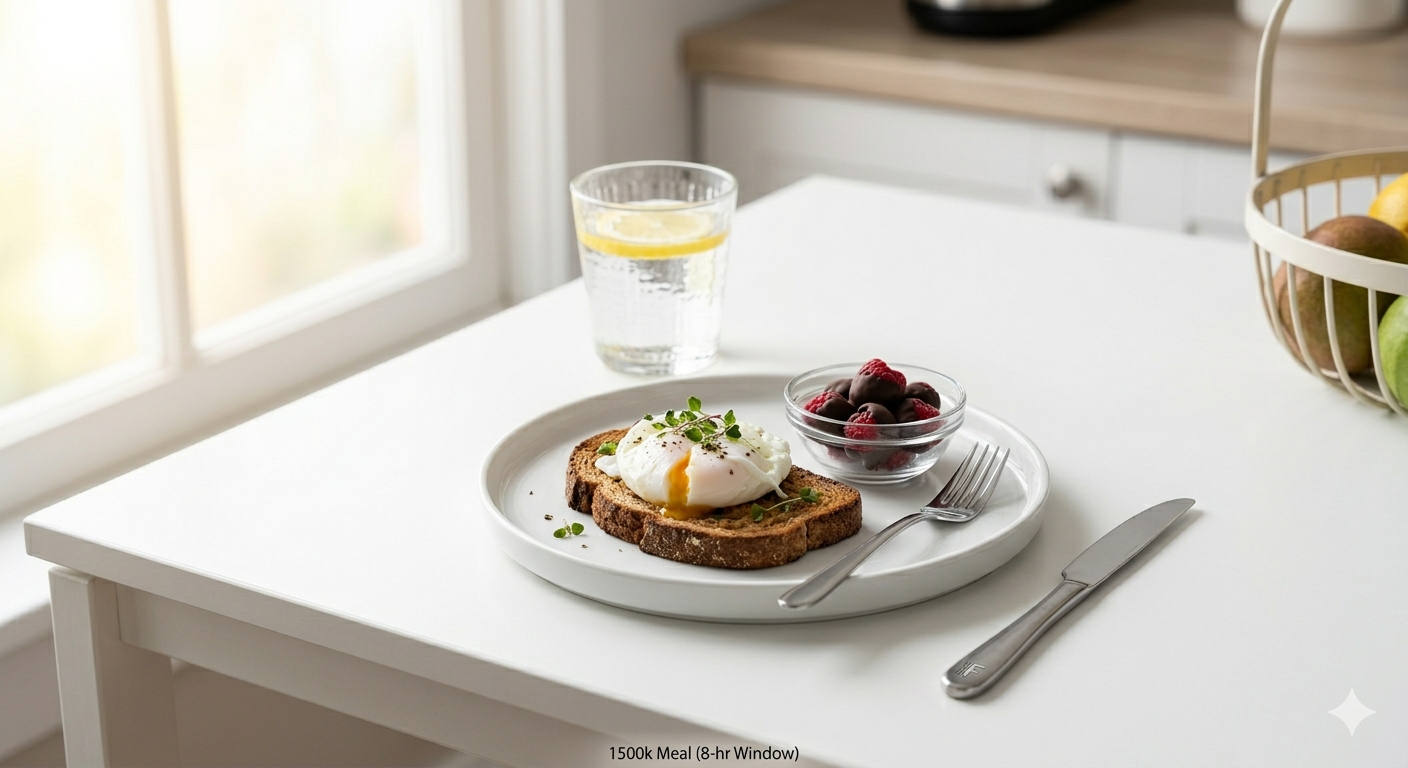
Your Complete 1,500-Calorie Intermittent Fasting Meal Plan
Here is your full day of IF meal ideas, timed perfectly across the eating window.
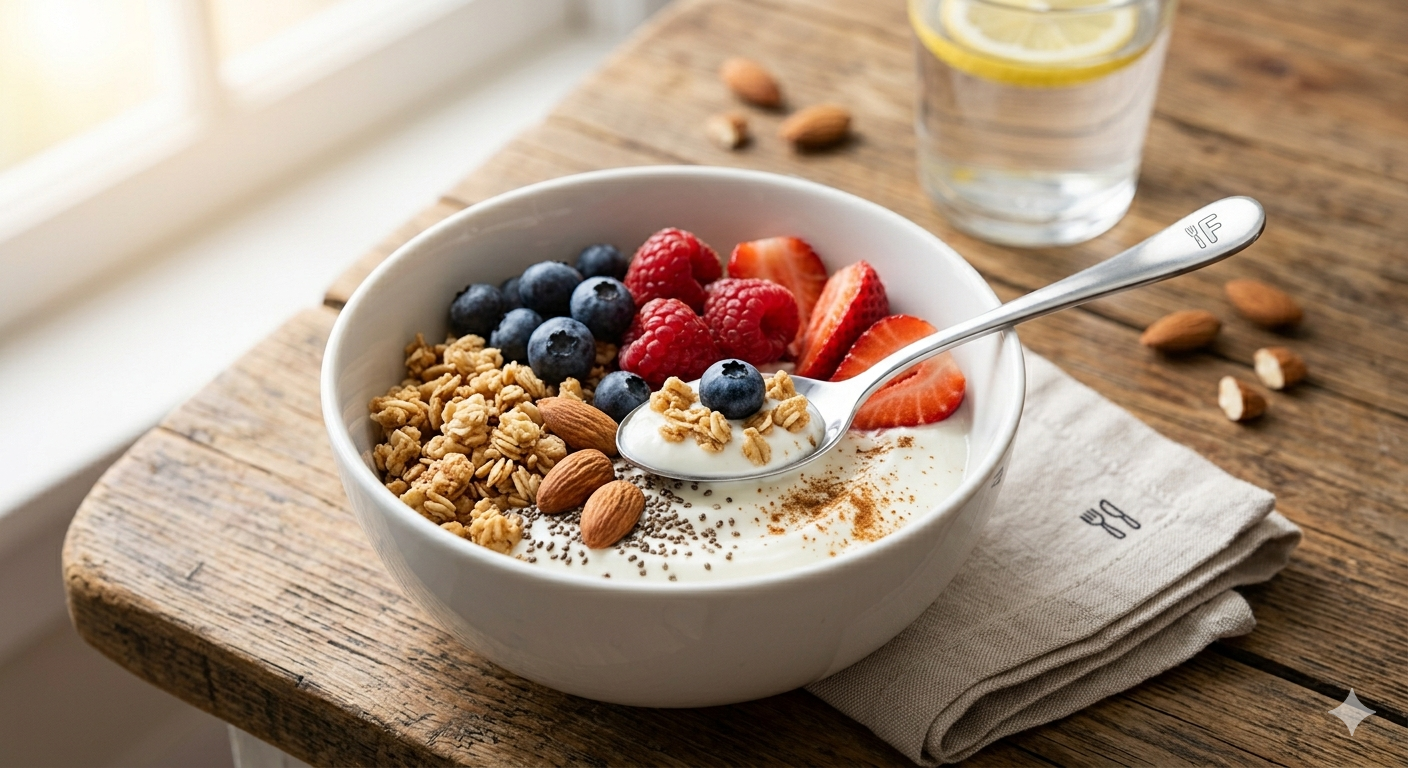
Meal 1 Break-Fast at 12:00 PM: Greek Yogurt Power Bowl (380 calories)
Your first meal of the day is incredibly important. Because you have been fasting for 16 hours, you want to break your fast gently with something easy to digest and high in protein.
What you need:
- 1 cup plain non-fat Greek yogurt
- ½ cup mixed berries (blueberries and strawberries)
- ¼ cup low-sugar granola
- 1 tablespoon chia seeds
- 1 teaspoon raw honey
- 1 tablespoon sliced almonds
Why this works: Greek yogurt is packed with protein (around 17 grams per cup), which helps you feel full and protects your muscle mass while in a deficit. Moreover, the berries add natural antioxidants that support your body’s recovery from the overnight fast. The chia seeds provide a nice fiber boost, which keeps your digestion happy and steady throughout the afternoon.
Macros: Protein 28g | Carbs 38g | Fat 10g
Meal 2 Lunch at 3:00 PM: Grilled Chicken Quinoa Salad (450 calories)
By mid-afternoon, your body is ready for its biggest, most balanced meal. This is your main source of energy and nutrition for the day, so do not skip it.
What you need:
- 150g grilled chicken breast
- ½ cup cooked quinoa
- 2 cups mixed greens (spinach and arugula)
- ¼ cup cherry tomatoes and sliced cucumber
- 2 tablespoons olive oil and lemon dressing
- 2 tablespoons crumbled feta cheese
Why this works: Chicken breast is one of the best fasting-friendly foods because it is lean, filling, and incredibly high in protein. Meanwhile, quinoa is a complete protein grain that also provides slow-digesting carbohydrates for sustained energy. Together, this meal keeps you satisfied for hours without a sugar crash. Additionally, the olive oil dressing gives you healthy fats that support hormone health and brain function.
Macros: Protein 42g | Carbs 35g | Fat 12g
Meal 3 Snack at 5:30 PM: Almond Butter and Apple Slices (220 calories)
You are about halfway through your eating window now, and a small snack helps bridge the gap before dinner. This one is super quick to prepare literally two ingredients.
What you need:
- 1 medium apple (Fuji or Gala work great)
- 1.5 tablespoons natural almond butter (no added sugar)
Why this works: Apples give you natural sugar and fiber, while almond butter adds healthy fat and a little protein. As a result, this combo slows digestion and keeps your blood sugar stable going into dinner. It also prevents that dangerous pre-dinner hunger that leads to overeating. Plus, it tastes amazing so you will actually look forward to it.
Macros: Protein 6g | Carbs 22g | Fat 12g
Meal 4 Dinner at 7:30 PM: Baked Salmon with Roasted Vegetables (450 calories)
This is your final eating window meal before the fast begins again at 8 PM. You want this meal to be satisfying, nutrient-dense, and relatively low in carbohydrates so your body can transition smoothly into fat-burning mode overnight.
What you need:
- 150g Atlantic salmon fillet
- 1 cup broccoli florets
- ½ cup sliced bell peppers
- 1 tablespoon olive oil for roasting
- Lemon, garlic, and dill for seasoning
- 1 cup arugula on the side
How to make it: Season the salmon with lemon, garlic, and dill. Toss the broccoli and peppers in olive oil, salt, and pepper. Bake everything at 200°C (400°F) for 18–20 minutes. That is all there is to it.
Why this works: Salmon is one of the richest sources of omega-3 fatty acids on the planet. These healthy fats reduce inflammation, support brain health, and even help your body burn fat more efficiently overnight. Furthermore, ending your eating window with vegetables and lean protein rather than heavy carbs makes the transition back into the fasting state much smoother. You will sleep better and wake up feeling lighter.
Macros: Protein 40g | Carbs 28g | Fat 18g
Daily Nutrition Summary
Here is your complete macro breakdown for the day:
|
Nutrient |
Daily Total | % of Calories |
| Calories | 1,500 kcal |
|
|
Protein |
116g | 31% |
| Carbohydrates | 123g |
33% |
|
Fat |
52g | 31% |
| Fiber | 28g |
Goal met ✓ |
This balance is ideal for the intermittent fasting meal plan because the high protein protects lean muscle, the moderate carbs fuel your workouts and brain, and the healthy fats keep hormones balanced.
Tips to Make Your Intermittent Fasting Meal Plan Work
Following a 16:8 diet plan is straightforward, but a few small habits make a big difference. Here are the most important ones:
- Drink plenty of water during the fast. Dehydration is often mistaken for hunger. Therefore, sip water, black coffee, or herbal tea consistently throughout the morning hours. This makes the fasting window feel much easier.
- Break your fast with protein first. Starting with protein like in the Greek yogurt bowl signals your body to use amino acids for muscle repair rather than energy, which preserves your lean mass.
- Avoid breaking your fast with sugar. Consequently, a sugary breakfast food would spike your blood sugar right after a fasting state and cause an energy crash within an hour. Stick to protein, fiber, and healthy fats for your first meal.
- Meal prep in advance. The grilled chicken and quinoa salad, for example, can be prepared in batches on Sunday and stored in the fridge for up to four days. This saves time and removes decision fatigue during the week.
- Be consistent with your eating window. Your body thrives on rhythm. Therefore, try to open and close your eating window at the same times every day, even on weekends if possible. Consistency accelerates results significantly.
What Happens to Your Body During the Fast?
This is the part most people find genuinely fascinating. During the 16-hour fast, a series of remarkable changes happen inside your body:
- Hours 1–4: Your body finishes digesting your last meal and begins using blood glucose for energy.
- Hours 4–8: Insulin levels drop significantly, and your body starts shifting to fat burning.
- Hours 8–12: Fat oxidation increases noticeably. Your liver begins producing ketone bodies for brain fuel.
- Hours 12–16: Autophagy peaks. Your cells begin clearing out damaged proteins and cellular debris. This is one of the most powerful anti-aging and health-promoting processes in the human body.
So when people ask why the autophagy diet is trending, this is exactly why. The 16-hour fasting window is long enough to activate autophagy meaningfully without being extreme or unsustainable.
Who Should Try This Intermittent Fasting Meal Plan?
This plan is a great fit for you if you:
- Want a structured way to reduce calories without obsessive tracking
- Prefer eating satisfying, full meals rather than grazing throughout the day
- Are interested in supporting metabolic health, fat loss, or longevity
- Have a busy morning and find it easy to skip breakfast naturally
However, this plan may not be right for everyone. If you are pregnant, breastfeeding, have a history of disordered eating, or manage a chronic health condition, please speak with your doctor before starting any fasting routine.
10 Frequently Asked Questions About Intermittent Fasting
Q1. What is the best intermittent fasting meal plan for beginners?
The best intermittent fasting meal plan for beginners is the 16:8 diet plan because it is the most flexible and easiest to stick to long-term. You simply skip breakfast, eat your first meal at noon, and finish eating by 8 PM. This structure works well because it aligns with your natural sleep cycle most of the fasting hours happen while you are asleep. For calories, starting at 1,500 to 1,800 per day is a gentle and effective range for most adults. Focus on high-protein, high-fiber meals that keep you full across your eating window. Additionally, drink plenty of water and black coffee during the morning fasting hours to manage hunger. Most beginners notice reduced appetite naturally within the first two weeks as the body adjusts to the new fasting schedule. Be patient with yourself consistency matters far more than perfection.
Q2. Can I drink coffee during the fasting window?
Yes, absolutely! Black coffee is one of the best fasting-friendly foods for the fasting window. It contains zero calories, so it does not break your fast or disrupt autophagy. In fact, some research suggests that coffee may actually enhance autophagy and fat burning during the fasted state. The key word here is black no milk, cream, sugar, or flavored syrups. These additions contain calories and macronutrients that signal your body to stop fasting and restart digestion. Herbal teas and sparkling water are also great options during the fasting hours. Many people find that a morning cup of black coffee completely eliminates hunger during the first half of the fasting window, making the 16:8 schedule feel almost effortless once you get into the rhythm of it after the first week.
Q3. Will I lose weight on a 1,500-calorie intermittent fasting meal plan?
For most adults, yes a 1,500-calorie intermittent fasting meal plan will support gradual, steady weight loss. This is because most adults have a maintenance calorie level between 1,800 and 2,400 calories per day depending on their activity level and body size. Eating 1,500 calories creates a deficit without being excessively restrictive. Furthermore, the time-restricted eating pattern reduces mindless snacking and evening eating, which are two major contributors to weight gain. The fasting window also lowers insulin levels, which helps your body access and burn stored fat more efficiently. However, results vary from person to person based on metabolism, hormones, sleep quality, and activity level. Combining this intermittent fasting meal plan with light exercise even 20 to 30 minutes of walking daily can noticeably accelerate your results over time.
Q4. What can I eat during the 8-hour eating window?
During your 8-hour eating window, you can eat a wide variety of wholesome, balanced foods. The best choices are those that keep you full, nourish your body, and support stable blood sugar. Great options include lean proteins like chicken breast, salmon, eggs, Greek yogurt, and legumes. Pair these with complex carbohydrates such as quinoa, oats, sweet potato, and brown rice. Add plenty of vegetables especially leafy greens, broccoli, peppers, and zucchini for fiber and micronutrients. Healthy fats from avocado, olive oil, nuts, and seeds complete the picture. Try to avoid ultra-processed foods, sugary drinks, and refined carbohydrates during the eating window. These spike insulin sharply and make it harder for your body to transition back into fat-burning mode when the fasting window begins again each evening.
Q5. How long does it take to see results from intermittent fasting?
Most people begin to notice early results from their intermittent fasting meal plan within the first one to two weeks. These initial changes often include reduced bloating, better energy in the mornings, improved mental clarity, and slightly looser-fitting clothes. Measurable weight loss typically becomes visible on the scale within two to four weeks of consistent effort. However, the more meaningful metabolic benefits like improved insulin sensitivity, reduced inflammation, and enhanced fat burning develop gradually over six to twelve weeks of consistent practice. Therefore, it is important not to judge the plan by week one results alone. Additionally, factors like sleep quality, stress levels, and hydration all influence how quickly your body responds. Give the process at least six weeks before deciding whether intermittent fasting is the right approach for your lifestyle and goals.
Q6. Is intermittent fasting safe for women?
Intermittent fasting can be safe and highly effective for many women, but there are some important considerations to keep in mind. Some research suggests that women may be more sensitive to calorie restriction and fasting than men, and that overly aggressive fasting can disrupt hormonal balance in some cases. For this reason, many experts recommend that women start with a shorter fasting window such as 14:10 (14 hours fasting, 10 hours eating) before progressing to the full 16:8 diet plan. Additionally, women who are pregnant, breastfeeding, or trying to conceive should avoid intermittent fasting or consult a healthcare provider first. Women with a history of hormonal imbalances or thyroid conditions should also seek medical guidance. Overall, when done thoughtfully and with adequate nutrition, intermittent fasting is a well-tolerated and beneficial approach for most healthy adult women.
Q7. What breaks a fast?
Any food or drink that contains a meaningful number of calories will break your fast. This includes milk, cream, juice, smoothies, protein shakes, bone broth (in larger amounts), and any food. Even small amounts of sugar or fat can stimulate insulin and interrupt the metabolic state of fasting. On the other hand, black coffee, plain herbal tea, sparkling water, still water, and plain electrolyte drinks (without sugar) are generally considered safe during the fasting window and will not disrupt autophagy or fat burning. Some people also ask about medications and supplements during the fast. Fat-soluble vitamins should be taken with food, while most other supplements can be taken with water during the fast. When in doubt, check with your doctor or nutritionist about what is appropriate for your specific situation and health needs.
Q8. Can I exercise while following a 16:8 intermittent fasting plan?
Yes exercise and intermittent fasting work very well together. In fact, many people find that exercising in a fasted state (late morning, just before breaking the fast at noon) enhances fat burning because insulin levels are low and the body relies more heavily on stored fat for fuel. Light to moderate activities like walking, yoga, cycling, and bodyweight training are all excellent choices for fasted workouts. However, if you are doing intense strength training or high-intensity interval training (HIIT), it may be smarter to work out shortly after breaking your fast so your muscles have the protein and carbohydrates they need to perform and recover well. Post-workout, prioritize a protein-rich first meal the Greek yogurt bowl in this intermittent fasting meal plan is a perfect example of an ideal recovery break-fast meal.
Q9. What is autophagy, and does IF really trigger it?
Autophagy is your body’s built-in cellular recycling system. The word literally means “self-eating” in Greek and while that sounds alarming, it is actually one of the most beneficial processes in human biology. During autophagy, your cells identify and break down damaged proteins, worn-out organelles, and other cellular debris. This cellular clean-up reduces inflammation, lowers the risk of certain diseases, and may even slow the aging process. Research consistently shows that fasting is one of the most powerful triggers of autophagy. Studies suggest that meaningful autophagy begins to ramp up after around 12 to 14 hours of fasting, which means the 16:8 diet plan with its 16-hour fasting window is long enough to activate it regularly. This is a big reason why the intermittent fasting meal plan approach has attracted so much scientific and mainstream interest in recent years.
Q10. Can I follow this intermittent fasting meal plan long-term?
Absolutely and that is one of the biggest advantages of the 16:8 intermittent fasting meal plan. Unlike extreme crash diets or highly restrictive protocols, this approach is built around real, enjoyable food within a sustainable daily structure. Many people find that after the first two to four weeks of adjustment, the fasting schedule begins to feel completely natural. Their appetite naturally shifts to align with the eating window, and they stop feeling hungry during the fasting hours altogether. Long-term adherence is further supported by the flexibility of the plan you can swap meals, try new IF meal ideas, adjust calories slightly, and still maintain all the core benefits. Numerous studies have looked at long-term intermittent fasting practice and found it safe and effective for healthy adults when paired with a nutritious, balanced diet throughout the eating window.
Final Thoughts
The intermittent fasting meal plan you just read is not complicated, and that is the whole point. You have a clear fasting schedule, four delicious and satisfying meals, and a solid understanding of why this approach works.
The 16:8 diet plan is one of the most scientifically supported, beginner-friendly, and long-term sustainable eating patterns available today. Whether your goal is weight loss, better energy, improved metabolic health, or simply a cleaner relationship with food this plan gives you a powerful starting point.
So start simple. Pick your eating window. Build your meals around the framework above. And above all, be consistent. Your body will do the rest.

GIPHY App Key not set. Please check settings